我們的服務
寵物護理服務
獸醫服務
其他
Length range : 36-41 cm
Height range : 20-25cm
Weight range : 2.3-5kg
Coat : Medium to long silky coat|semi-longhaired|single coat with little or no undercoat|soft flowing coat
Life expectancy years : 9-18
Colors: white|red|cream|black|blue|silver|tortoiseshell|calico|dilute calico|bluecream|bi-color|tabby|tri-color.
Activitity Level : High
Origin: Turkey
Similar Breeds : Tonkinese
The breed comes from Ankara in Turkey and is one of the oldest longhaired cat breeds. Historical notes mention written references in 16th century France and broad presence in Europe before decline through Persian breeding programs. Turkey preserved the breed through the Ankara Zoo breeding program. In the 1950s and 1960s cats from that program helped establish breeding lines in the United States.
Playful
Affectionate|playful|intelligent|active|inquisitive|adaptable|loyal|outgoing|athletic|agile|sociable|confident
Needs regular play , perches , cat trees , toys , company and gentle but firm handling. Best in homes where attention is available and another pet may help if people are away often.
This breed wants owner attention , may follow people around , often greets visitors , usually does well with respectful children and other pets , and may dislike being left alone for long periods.
Despite the silky semi-long coat , grooming is fairly easy because matting is uncommon. Weekly brushing is often sufficient , though daily brushing can help during shedding or if owners prefer. Regular nail trims , ear checks , eye cleaning and dental care are also advised.
A high-quality diet with real meat , fresh clean water and portion awareness is recommended. Active cats may need quality calories to support energy. Water can be placed away from food and hydration should be monitored.
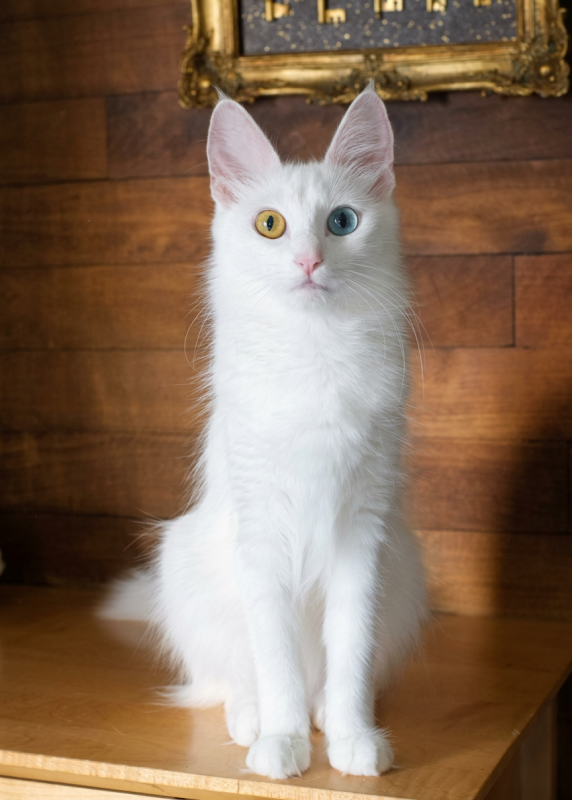
The ideal Turkish Angora is a balanced , graceful cat with a fine silky coat over a long firm muscular body. Refinement is more important than size. The breed is intelligent , active , inquisitive and responds best to firm but gentle handling.
The breed is considered a national treasure in Turkey and some accounts say it was beloved by the Prophet Mohammad. It is also often described as an original longhaired cat and an excellent swimmer.
Congenital sensorineural deafness, Hypertrophic cardiomyopathy, Feline dental disease, Hairballs and gastrointestinal blockage, Ataxia
1. Lack of response to sound , unusually loud vocalisation , easy startling and seeming to sleep heavily may occur.
1. Heart murmur , increased resting respiratory rate , lethargy and laboured breathing may occur.
2. Sudden hind-limb paralysis might appear in severe cases.
1. Bad breath , red swollen or bleeding gums , tartar , drooling , pawing at the mouth and difficulty eating may occur.
2. Excess salivation , blood in saliva , loose teeth , weight loss and poor grooming might occur.
1. Retching , hacking , gagging and vomiting of a tubular hair mat may occur.
2. Repeated non-productive retching , lethargy , appetite loss , constipation and painful tense abdomen might indicate blockage.
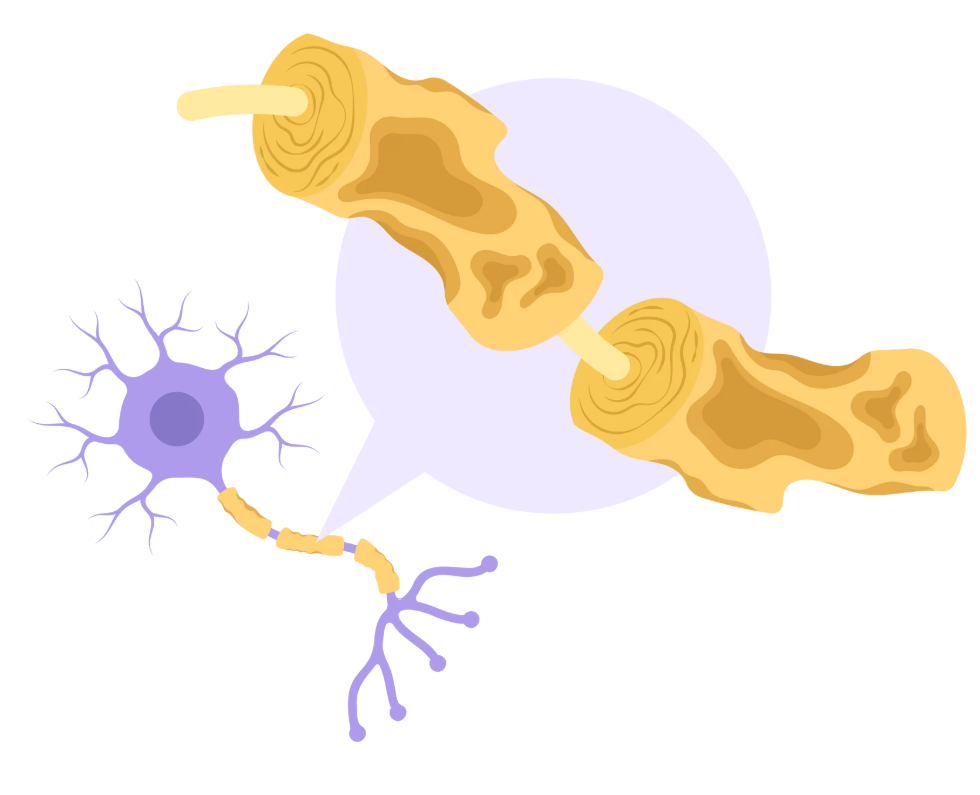
1. Affected kittens may show lack of coordination , severe tremors and inability to walk.
1. Present from birth.
2. It may be noticed around 3 to 4 weeks once hearing should be developed.
1. Risk may be high only in specific white cats.
2. White cats with two blue eyes may have 60-80% probability , odd-eyed white cats 30-40% , white cats with non-blue eyes 10-20% , and non-white cats no higher risk than general cats.
1. Usually diagnosed in adults around 2 to 8 years.
1. Risk may be low to moderate.
1. Mild gingivitis may begin around 1 to 2 years.
2. Significant disease is common by 4 to 6 years or in cats over 3 years without prevention.
1. Risk may be very high and the majority of cats over two to three years may have disease warranting intervention.
1. Can occur after the adult coat develops.
2. It is more common in adult cats and during shedding periods.
1. Risk may be high in long-haired meticulous groomers.
1. Signs are present when kittens begin to walk.
2. This is typically around 3 to 4 weeks.
1. Risk may be extremely low because the condition is rare.
1. No chemical deficiency is indicated because this is genetic.

1. No chemical deficiency is indicated because plaque , tartar and inflammation are emphasized.

1. No nutritional deficiency is indicated though taurine is noted as vital for heart health.
1. Adequate fiber , moisture and hydration may be lacking when hair passage is poor.
1.No chemical deficiency is indicated because this is genetic.

+852 6358 3131
香港中環德輔道中84-86號章記大廈9樓01室
週一到週日,早上10點到下午9點
 +852 9160 8619
 +852 9160 8619