我們的服務
寵物護理服務
獸醫服務
其他
Length range : 33-38 cm
Height range : 20-25cm
Weight range : 2.5-7kg
Coat : Hairless appearance|extra-short|nearly hairless|fine down-like fuzz|peach-fuzz or suede-like skin|short hair may appear on nose / ears / tail / feet
Life expectancy years : 8-15
Colors: white|black|blue|red|cream|silver|golden|cameo|tortoiseshell|brown|calico|tabby|pointed|mink pattern|all colors and patterns.
Activitity Level : High
Origin: Canada
Similar Breeds : Devon Rex|Cornish Rex|Donskoy
The breed began with spontaneous hairless mutations in Canada. Sources place key origins in Ontario and Toronto from 1966 and later important cats in Minnesota and Toronto during the 1970s. Breeders used outcrossing and selective breeding over decades to build a genetically sound breed , and CFA accepted registration in 1998 and championship status in 2002.
Affectionate
Active|affectionate|curious|intelligent|extroverted|friendly|loyal|cuddly|people-oriented|talkative|gregarious|playful
Needs high-level enrichment , warmth , indoor protection , climbing areas , scratching surfaces , interactive play , skin care and regular bathing
Craves companionship , may not do well when left alone long , usually enjoys people , children and other pets , often prefers company of other cats
The breed needs regular skin-focused grooming rather than coat grooming. Sources mention regular bathing , weekly ear cleaning , cleaning oily folds and nail beds , and dental care. Over-bathing may worsen oil production in one source while others describe weekly baths or individualized frequency.
Because of high metabolism and thermoregulation needs , Sphynx cats may need more calories than average cats. High-quality balanced food , fresh water , skin-supportive nutrients , taurine for cardiac support , and portion monitoring for weight are emphasized.
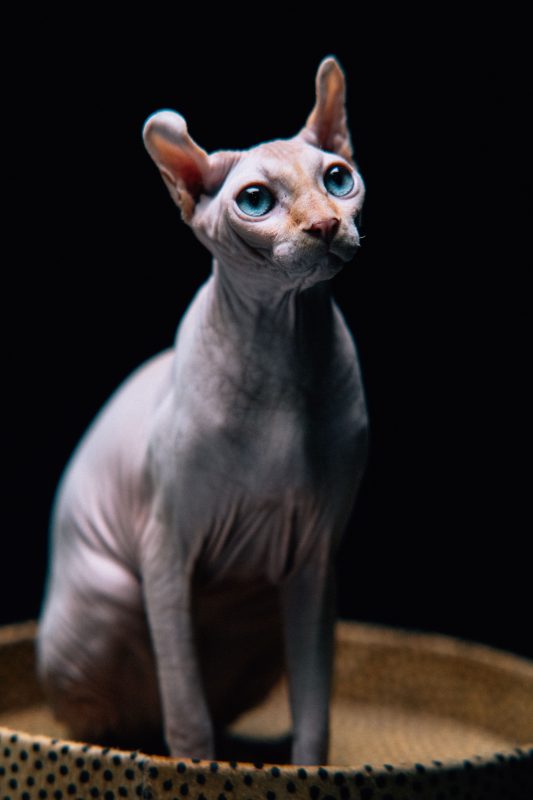
The Sphynx should appear hairless but not be completely hairless. It is a medium-sized substantial cat with surprising weight , hard muscular body , broad chest , full abdomen , long tail , large ears , lemon-shaped eyes and wrinkled warm skin with a peach-like or suede-like feel. The breed is sweet-tempered , lively and amenable to handling.
The breed is not truly hairless and is usually covered with very fine down. It traces to Canadian hairless mutations and is often described as a warm , cuddly , dog-like companion.
Hypertrophic cardiomyopathy, Skin conditions and dermatitis, Feline dental disease, Digestive issues and sensitive stomachs, Respiratory infections
1. It may stay silent early and a heart murmur might be the first sign.
2. Lethargy , increased resting respiratory rate , labored or open-mouth breathing and sudden hind-limb paralysis may occur.
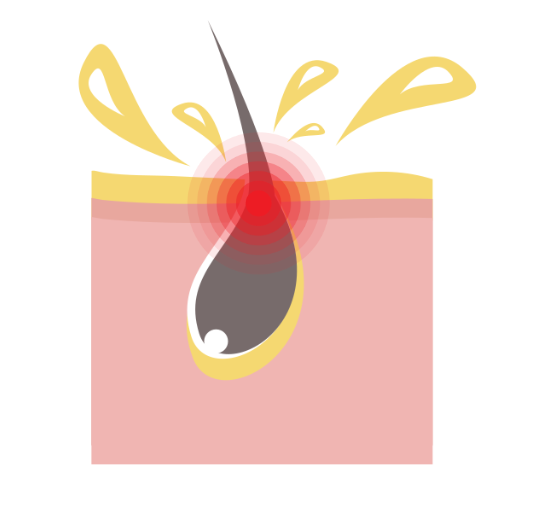
1. Oily or waxy skin , blackheads , red itchy skin and smelly brown residue may appear.
2. Crusty sores or raised bumps may occur with urticaria pigmentosa.
1. Bad breath , red swollen or bleeding gums , tartar , drooling and difficulty eating may occur.
2. Loose teeth , weight loss and poor grooming might appear as disease progresses.
1. Loose stools or diarrhea , vomiting , gas and weight loss despite appetite may occur.
2. A soft or pudgy belly may be noticed.
1. Sneezing , runny nose , watery eyes , conjunctivitis , coughing or wheezing may occur.
2. Fever , lethargy , poor appetite and difficult breathing might develop.
1. Clinical signs are often diagnosed in adults.
2. They may appear from about 2 to 8 years.
1. Risk may be high because the breed has a documented high incidence.
2. Probability may depend on lineage and screening.
1. Signs can begin in kittenhood.
2. They may start around 4 to 6 months and continue lifelong.
1. Risk may be very high.
2. Lifelong skin management is often needed.
1. Mild gingivitis may start before 1 year.
2. Significant disease is common by about 3 years without intervention.
1. Risk may be very high without proactive care.
2. The majority of cats over 2 to 3 years may have disease that warrants intervention.
1. Signs can be present from kittenhood.
2. They may persist lifelong.
1. Risk may be high because many Sphynx show digestive sensitivity.
1. They can occur at any age.
2. They are most common in kittens and during stress.
1. Risk may be moderate to high.
2. The text suggests exposure is common and Sphynx may show clinical signs readily.

1. No deficiency is indicated as the cause.
2. Taurine is essential for heart muscle function.

1. No nutritional lack is indicated because plaque and inflammation are emphasized.
1. No specific deficiency is indicated as the cause.
2. Essential fatty acids may be relevant for skin health.

1. Lack of appropriate dietary fiber may contribute to poor stool quality.


+852 6358 3131
香港中環德輔道中84-86號章記大廈9樓01室
週一到週日,早上10點到下午9點
 +852 9160 8619
 +852 9160 8619