我們的服務
寵物護理服務
獸醫服務
其他
Length range : 30-43 cm
Height range : 20-30cm
Weight range : 2.7-5.4kg
Coat : Hairless|flock|velour|brush|short straight coat|peach-like fuzz|coat may lengthen or shorten over time
Life expectancy years : 10-15
Colors: white|red|black|gray|silver|fawn|lilac|solid|tabby|bi-color|colorpoint|all colors|various patterns.
Activitity Level : High
Origin: Russia
Similar Breeds : Oriental Longhair|Oriental Shorthair|Don Sphynx
The Peterbald is a relatively new breed that rose to fame in St. Petersburg , Russia in the 1990s. It developed from Don Sphynx and Oriental Shorthair lines after experimental breeding in 1993 and was later accepted by TICA. The breed remains rare and highly sought after.
Playful
loving|intelligent|devoted|friendly|social|affectionate|loyal|curious|vocal|athletic
Needs companionship , daily interaction , mental challenge , indoor living , warmth support , skin care and regular health monitoring.
Peterbalds are very social and affectionate , often follow their people , usually warm up to strangers , can do well with other pets and children when introduced and supervised properly.
Peterbald grooming depends on coat type. Hairless cats may need wipe-downs or occasional sponge baths because oils can build up. They need sun protection , nail trimming , ear cleaning and regular tooth brushing.
Peterbalds should stay slim but muscular. The text suggests a well-balanced diet , frequent access to food for grazers , fresh clean water and enough calories to support their higher metabolism and body temperature needs.
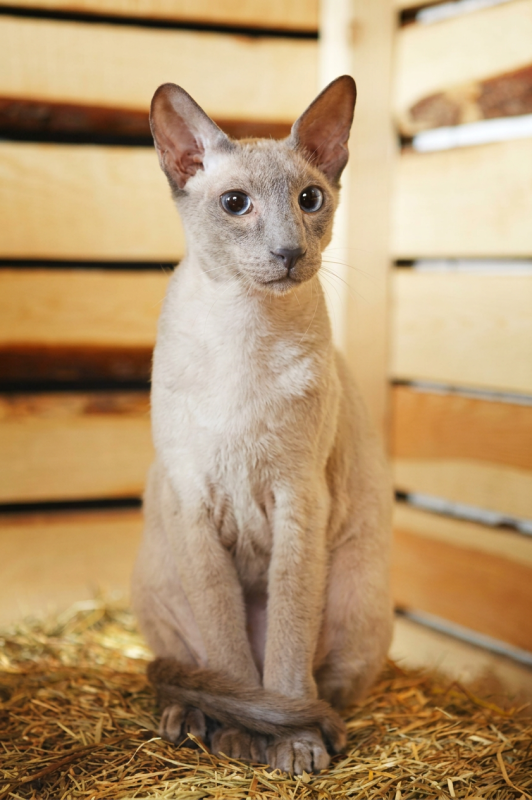
The ideal Peterbald is elegant and intelligent with a sturdy , long , lean body and graceful movement. Typical breed features include unusual coat textures from hairless to full brush coat , large ears and a sleek refined outline.
Peterbalds have long webbed toes that may let them hold and use objects more than many other cats and their coat may change over time.
Dermatological issues, Dental and periodontal disease, Progressive retinal atrophy, Feline asthma or bronchial disease, Hypertrophic cardiomyopathy
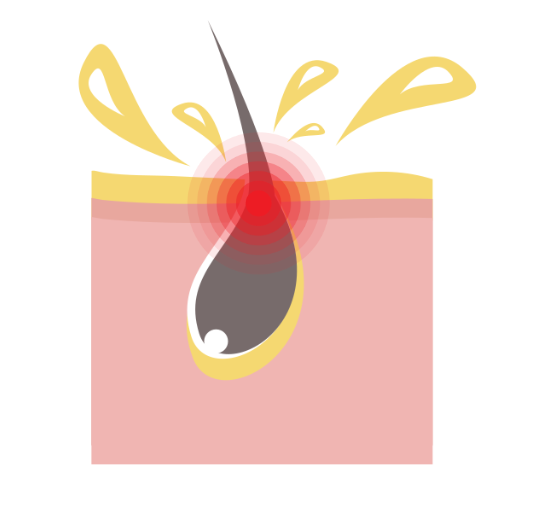
1. Greasy or oily skin , blackheads , red irritated dermatitis , secondary infection odor , redness and peeling from sunburn may occur
1. Halitosis , red swollen or bleeding gums , tartar , dropping food , chewing on one side , reluctance to eat , pawing at the mouth , drooling may occur
1. Night blindness , clumsiness in dim light , dilated pupils , increased eye shine and later blindness may occur
1. Coughing , wheezing , rapid or labored breathing may occur
2. Open-mouthed breathing may occur in emergencies
1. Some cats may show no signs
2. Labored or rapid breathing , open-mouthed breathing , lethargy , hind limb pain or paralysis from thromboembolism may occur
1. Can begin as early as adolescence around 6-12 months
2. It is a lifelong management issue
1. Extremely high and virtually every Peterbald may require skin management
1. Gingivitis may be present by 1-2 years
2. Serious periodontal disease may develop by 3-4 years without intervention
1. Very high and proactive care is not optional according to the text
1. Clinical signs of vision loss typically begin between 3 and 5 years
1. Low in responsibly tested lines
2. High if the cat carries two copies of the recessive gene
1. Often first diagnosed in young adults between 2 and 8 years
1. Moderate according to the text because Oriental heritage may increase risk
1. The text does not give a fixed age of onset
2. It indicates the disease is progressive and may worsen over time
1. The text indicates genetics may play a role but does not give a Peterbald-specific probability
1. The text suggests balanced Omega-3 and Omega-6 fatty acids may help maintain the skin barrier

1. This is a genetic disease rather than a deficiency

1. This is mainly a mechanical and bacterial plaque problem rather than a deficiency

1. This is an inflammatory airway condition rather than a deficiency


+852 6358 3131
香港中環德輔道中84-86號章記大廈9樓01室
週一到週日,早上10點到下午9點
 +852 9160 8619
 +852 9160 8619