我們的服務
寵物護理服務
獸醫服務
其他
Length range : 48-81 cm
Height range : 25-40cm
Weight range : 4.5-11.3kg
Coat : Longhair|heavy shaggy silky water-resistant coat|shorter on shoulders|longer on stomach and britches|plumed tail
Life expectancy years : 9-15
Colors: White|Black|Blue|Red|Cream|Brown|Silver|Tortoiseshell|Bluecream|Golden|many tabby , smoke , shaded , bicolor patterns.
Activitity Level : Moderate to High
Origin: United States
Similar Breeds : Norwegian Forest|Siberian|Turkish Van|Scottish Fold|Scottish Straight|Exotic Shorthair|Selkirk Rex|Somali
One of the oldest natural breeds in North America , the Maine Coon developed in New England and is closely associated with Maine. It appeared at early U.S. cat shows , with a brown tabby winning Best Cat at the 1895 Madison Square Garden show , and gained CFA championship status in 1976.
Gentle
gentle|easy-going|friendly|sweet-tempered|loyal|sociable|people-oriented|playful|curious|intelligent
Needs exercise , interactive play , cat trees or perches , room to run , regular companionship and weight monitoring due to large size and slow growth.
Highly people-oriented but not overly dependent , prefers company , usually gets along with children , dogs and other cats , may follow owners from room to room.
Comb the coat 2-3 times a week or more often for some coat types to control shedding , hairballs and matting. Some individuals need daily attention. Occasional bathing may help and teeth brushing and regular nail trimming are recommended.
A balanced high-quality diet should support growth , body condition and hydration. Because the breed can gain excess weight , food quantity should be monitored carefully and exercise encouraged. Clean fresh water should always be available.
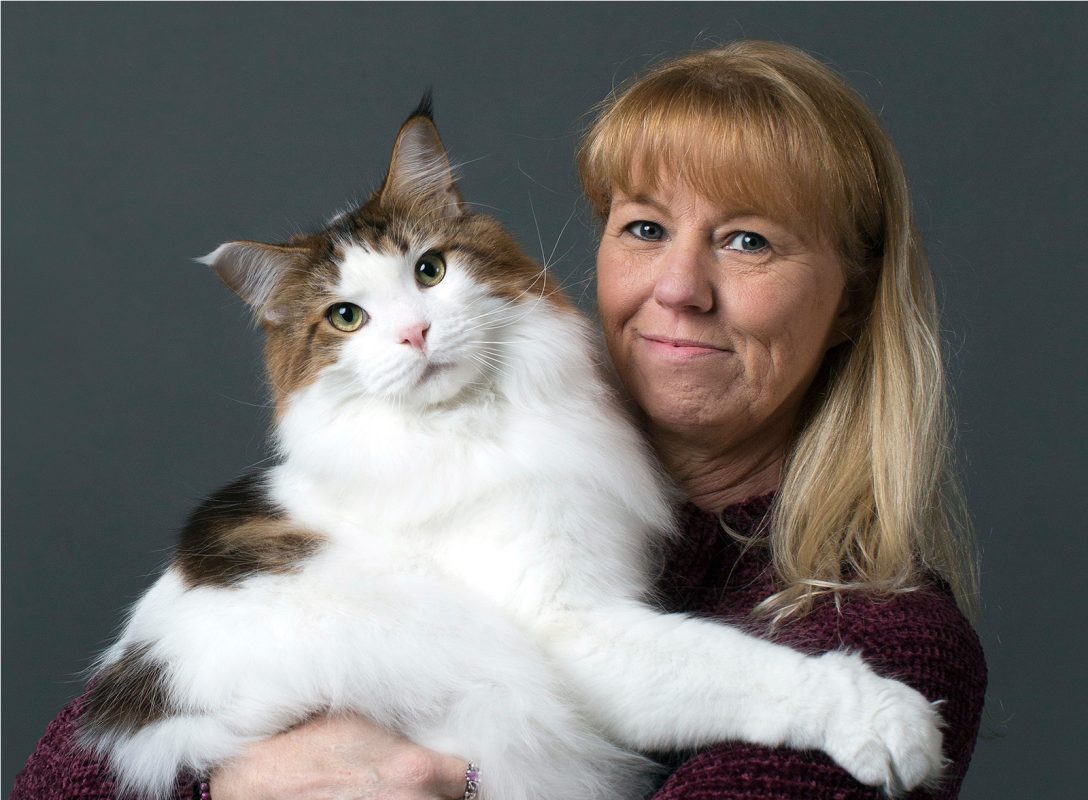
The breed standard describes a solid , rugged , balanced working cat with a long rectangular body , substantial bone , broad chest , square muzzle , large tufted ears , large expressive eyes , shaggy silky coat and long flowing tail. No part should be exaggerated and the cat should remain proportionate and amiable.
The Maine Coon is the official state cat of Maine and is often described as America’s native longhair. Many chirp or trill instead of meowing and some enjoy water.
Hypertrophic cardiomyopathy , Hip dysplasia , Diabetes mellitus , Dental disease , Hyperthyroidism
1. Early disease may have no signs and a murmur may be the first finding
2. Lethargy , reduced appetite , rapid breathing , panting , open-mouthed breathing , fainting and sudden painful hind-limb paralysis from blood clots may occur
1. Bunny hopping , limping , stiffness , reluctance to jump , pain when hips are touched and hind-limb muscle loss may occur
2. OA-related pain with movement may develop
1. Weight loss despite good appetite , increased thirst and urination are common
2. Plantigrade stance of the hind limbs may appear in rare uncontrolled cases
1. Halitosis , excessive salivation , blood in saliva , pain on chewing , difficulty eating , loose teeth , lethargy , weight loss and poor grooming may occur
1. Weight loss , increased appetite , increased thirst and urination are common
2. Vomiting , diarrhea , hyperactivity and unkempt or greasy coat may occur
1. Genetic risk is present from birth and screening may detect changes in young adults , while clinical signs may appear from middle age onward
1. High for this breed because the text indicates a genetic predisposition and HCM may affect up to 15% of all cats
1. Preliminary or early radiographic changes may be found in young cats and clinical pain may appear later as OA develops
1. High because the supplied breed text says Maine Coons are predisposed and one study showed up to 51% had radiographic evidence
1. More likely with increasing age and physical inactivity according to the text
1. Moderate because the text estimates 1:100 to 1:500 cats may be diagnosed during life and obesity raises risk up to fourfold
1. The majority of cats over 2-3 years may show disease warranting intervention and mild gingivitis may begin by 1-2 years
1. Very high because the disease affects the majority of cats over two years and over 80% may show signs by age 3 without prevention
1. Mostly affects middle-aged and older cats
1. High in older cats because it is described as a common disease

1. The primary issue is genetic , though taurine and other cardiac nutrients are discussed in the supplied texts as supportive heart nutrients
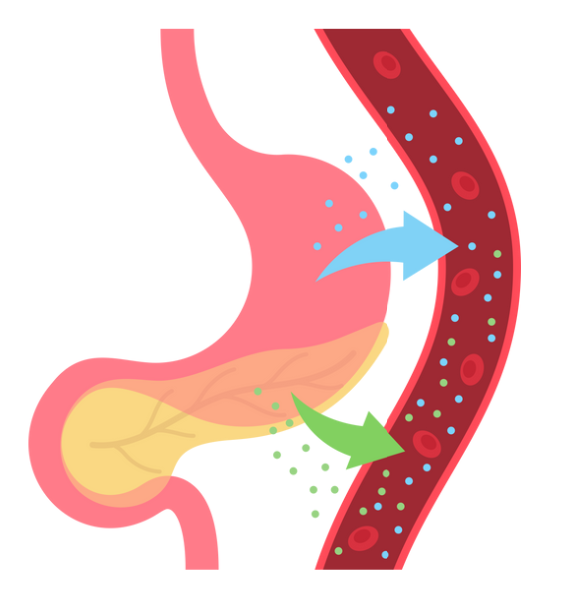
1. Diabetes involves inadequate insulin production or response rather than a simple nutrient lack
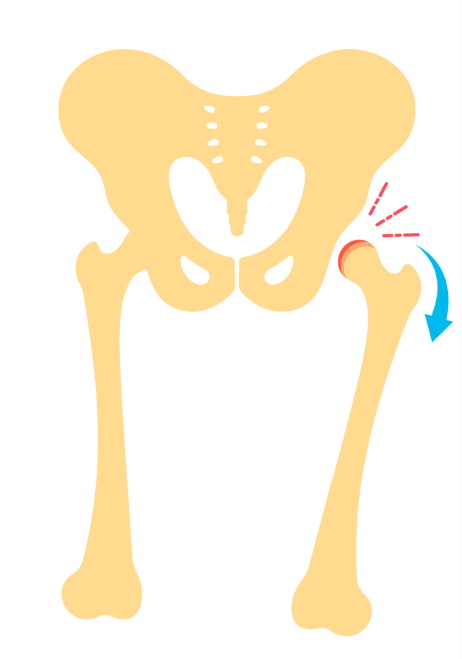
1. This is primarily a genetic and conformational problem and not a clear chemical deficiency according to the text

1. This is not caused by a chemical deficiency and plaque accumulation with insufficient oral hygiene is the main issue


+852 6358 3131
香港中環德輔道中84-86號章記大廈9樓01室
週一到週日,早上10點到下午9點
 +852 9160 8619
 +852 9160 8619