我們的服務
寵物護理服務
獸醫服務
其他
Length range : 38.1-45.7 cm
Height range : 25-30cm
Weight range : 2.7-4.5kg
Coat : Short|shorthaired|fine|smooth|close fitting|slightly open|sparse to moderate undercoat|pure white
Life expectancy years : 10-12 (depends on health situation)
Colors: white.
Activitity Level : High
Origin: Thailand
Similar Breeds : Korat|Siamese|Turkish Van|Burmese|Bombay
Referenced in the Tamra Maew during the Ayutthaya period of Thai history , 1350-1767 , the breed was associated with luck and Thai royalty. It remained exclusive to Thailand until 1999 when Colleen Freymouth brought the first Khao Manee to the United States for breeding and conservation. CFA accepted the breed for registration in 2018 and it is still considered rare in the West.
Playful
Curious|intelligent|outgoing|friendly|sociable|playful|devoted|affectionate|communicative|somewhat vocal|mischievous|athletic|inquisitive|lap-loving
Needs high enrichment , interactive play , climbing spaces , puzzle toys , companionship and should not be left alone for long periods. The breed may enjoy indoor life but also benefits from safe controlled outdoor access because it is agile and active.
Very sociable and people-oriented. They may greet visitors , share affection with the whole family , get along with other pets and older respectful children and prefer homes where people are around much of the time.
The short white coat is easy to maintain. Weekly brushing or once or twice a week with a rubber brush may help control shedding. Occasional baths may help keep the coat sparkling white. Regular nail , ear and dental care are also recommended.
Cats need complete balanced food and fresh clean water. Some source text notes that nutrient balance changes with age , lifestyle and health. Measured feeding helps maintain ideal body condition and wet or dry food may be chosen to suit the individual cat.
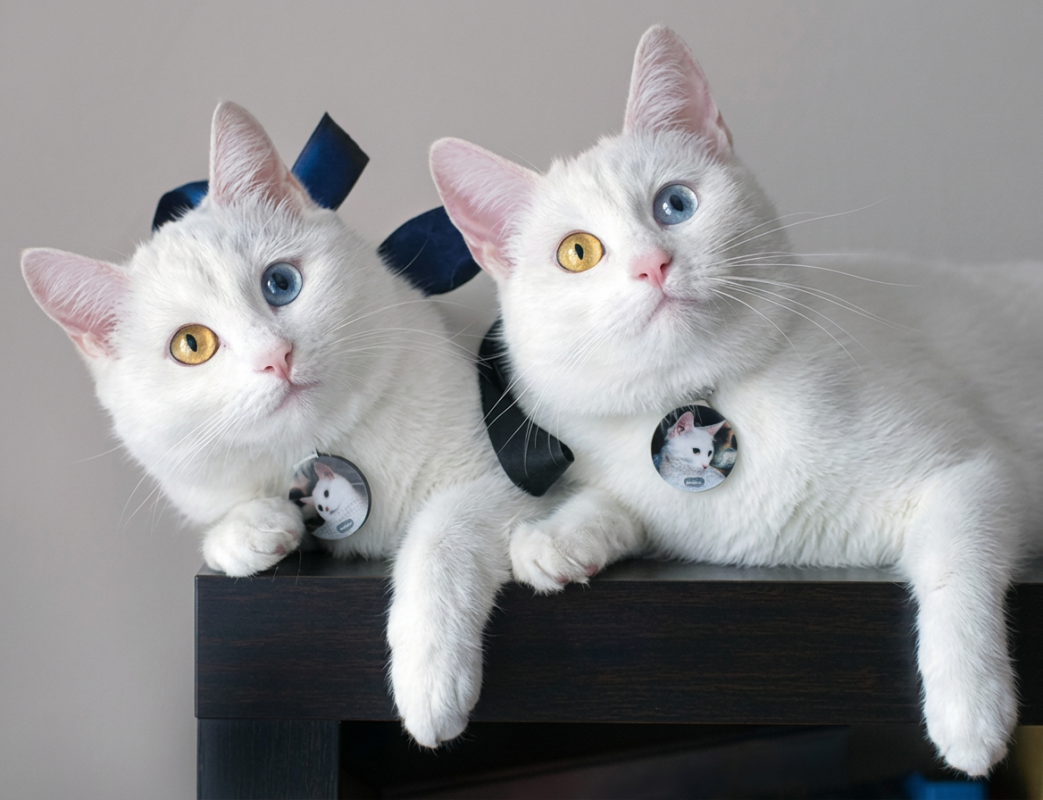
The ideal Khao Manee is a natural Thai breed with a medium torso , modified wedge head , high cheekbones , slightly large ears and a muscular , agile , springy body. The coat is medium short , fine and smooth enough to reveal musculature and color must be pure glistening white with vivid gemstone-like eyes.
Khao Manee means White Gem in Thai and the breed was regarded as lucky. Odd-eyed cats are especially prized and the breed was once associated with Thai royalty and traditional royal ceremonies.
Congenital sensorineural deafness, Squamous cell carcinoma, Feline dental disease, Obesity and related complications, Chronic kidney disease
1. Lack of response to sound , unusually loud vocalizations , easy startling and seeming like a very heavy sleeper may occur.
1. Small crusty non-healing scabs or sores on the ears , nose or eyelids may occur.
2. Advanced lesions might become raised , ulcerated , bleed easily and not heal.
1. Bad breath , inflamed or bleeding gums , tartar , drooling , pawing at the face , chewing on one side and reluctance to eat hard food may occur.
2. Excess salivation , blood in saliva , dysphagia , loose teeth , weight loss and poor grooming might occur.
1. Loss of waist , inability to feel ribs , lower belly fat pad , reduced activity and difficulty grooming may occur.
1. Increased thirst and urination , weight loss , decreased appetite , nausea , vomiting , lethargy , poor coat and chemical-like breath may occur.
1. Present from birth and may be testable once ear canals are open at about 3 to 4 weeks.
1. Probability may be high and linked to eye color.
2. White cats with two blue eyes may have 60-80% probability.
3. Odd-eyed white cats may have 30-40% probability.
4. White cats with non-blue eyes may have 10-20% probability.
1. Signs may begin in middle age to senior years and often from 6 years onward after cumulative sun exposure.
1. Risk may be high with regular sun exposure and low for indoor cats that avoid sunny windows.
1. Mild gingivitis may start at 1 to 2 years.
2. Significant disease may be common by 4 to 6 years and many cats over 3 years may need intervention.
1. Probability may be very high and over 85% of cats over age three may have some form of dental disease.
1. Weight gain may begin after spay or neuter and around full maturity at 1 to 2 years if diet and activity are not managed.
1. Probability may be high in indoor lifestyles without careful management.
1. Signs usually become apparent in senior cats often after 7 to 10 years.
1. Probability may be high in senior cats and is one of the leading causes of illness in older cats.

It is not a fault of the breed itself, but a consequence of the dominant “W” gene that produces their brilliant white coat. This gene can interfere with the development of the cochlea, the part of the inner ear responsible for hearing.

The most common health problem affecting all domestic cats. Without regular cleaning, plaque builds up and hardens into tartar, leading to gum inflammation (gingivitis).
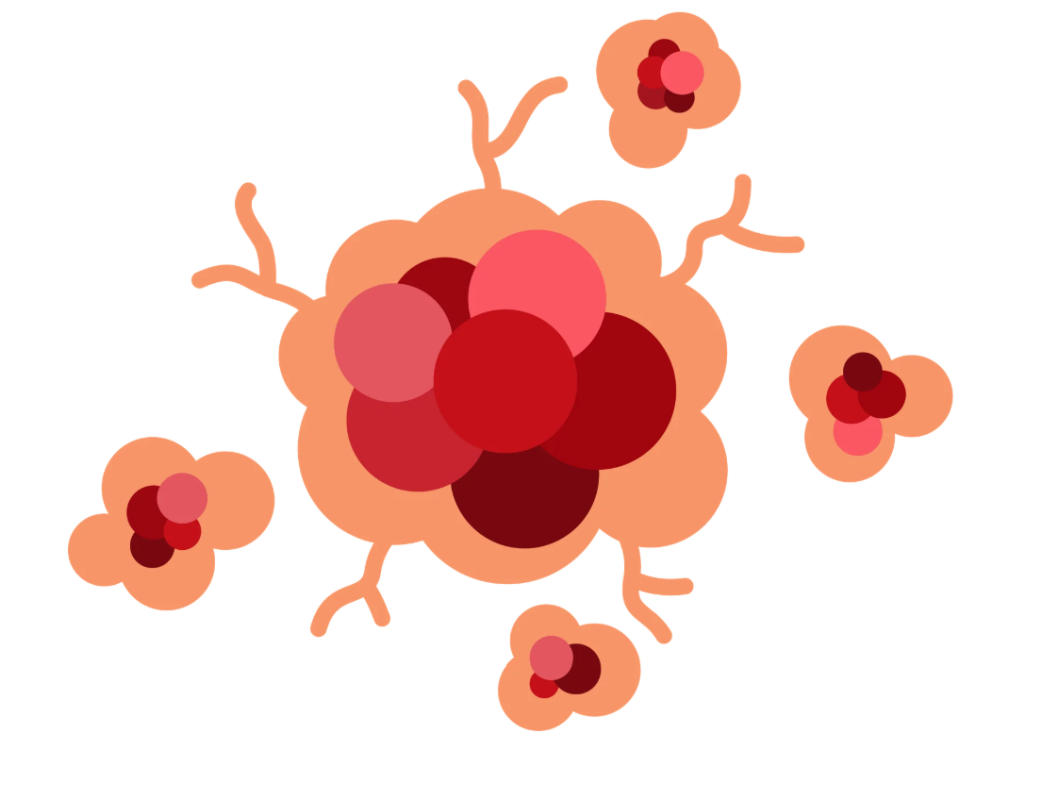
lacks the protective melanin (pigment) in its skin, especially on the ears, nose, and eyelids. This makes them highly susceptible to damage from the sun’s ultraviolet (UV) rays
In a modern indoor lifestyle with readily available food, they are prone to gaining excess weight and calories.
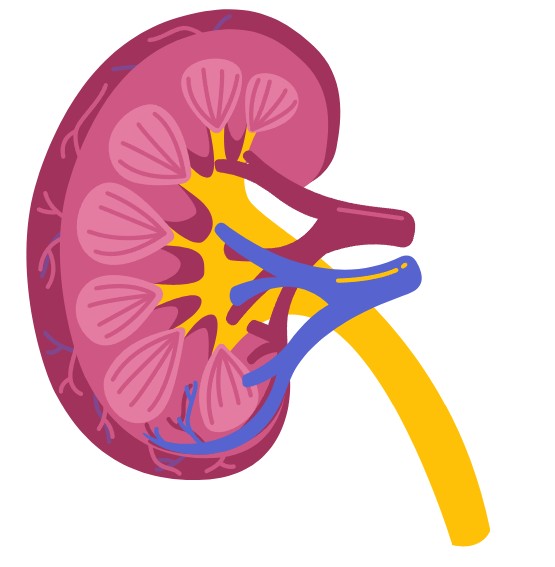
CKD is a very common condition in all aging cats, and as a breed with a normal lifespan, the Khao Manee is equally at risk

+852 6358 3131
香港中環德輔道中84-86號章記大廈9樓01室
週一到週日,早上10點到下午9點
 +852 9160 8619
 +852 9160 8619