我們的服務
寵物護理服務
獸醫服務
其他
Length range : 30-41 cm
Height range : 23-30cm
Weight range : 2.3-4.5kg
Coat : Medium long|semi-long|soft silky single coat|lies close to the body|no undercoat|plumed tail|colorpoint
Life expectancy years : 10-15 (depends on health situation)
Colors: red|cream|cinnamon|fawn|smoke|seal lynx|seal tortie|chocolate tortie|lilac cream|lynx point|tortie point|red point|cream point|colorpoint.
Activitity Level : High
Origin: N/A
Similar Breeds : Balinese|Siamese|Colorpoint Shorthair|Oriental Shorthair|Oriental Longhair
The breed developed from Siamese , Colorpoint Shorthair and Balinese lines. CFA text describes breeders campaigning for recognition beginning around 1978-1979 and the name Javanese being chosen after the island of Java. The breed reached Provisional status before receiving full Championship status in 1986. More recent provided text also says the Javanese is now treated as a color subdivision of the Balinese.
Playful
Loving|intelligent|vocal|active|playful|extremely affectionate|friendly|outgoing|personable|responsive|curious|family-oriented|devoted
Needs frequent interaction , exercise , climbing areas , puzzle or enrichment games , toys and companionship. The breed may become bored if left alone too long and benefits from daily play and stimulation.
Very people-focused and social. They may bond closely with family , do well with other cats , dogs and children and often prefer to stay near their humans on laps , shoulders or in bed.
The coat is low maintenance because there is no undercoat and matting is uncommon. Weekly brushing is usually enough. Baths are generally only needed for showing and nail trimming plus routine dental care may be helpful.
A balanced nutritional diet and fresh water are important. The provided text indicates exercise helps maintain healthy weight and daily feeding should support activity and overall condition.
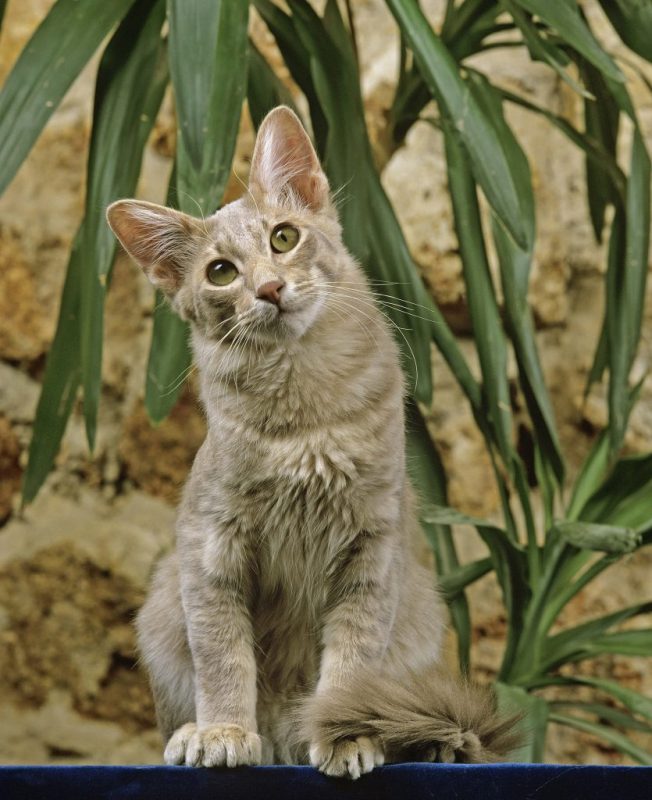
The Javanese is a refined Siamese-type cat with long tapering lines , fine boning , strong muscular body and a silky coat that softens the outline without hiding structure. It is shown in colorpoint colors beyond the traditional Balinese palette and should be balanced and elegant.
The breed name was chosen after Java when breeders sought a separate name in CFA. Javanese cats have been known to fetch , find treats in pockets and ride on shoulders while staying close to their humans.
Feline asthma, bronchial disease, Progressive retinal atrophy, Gastrointestinal issues including pica or IBD, Amyloidosis
1. Dry hacking cough , wheezing , increased respiratory rate , labored breathing and open-mouth breathing may occur.
1. Night blindness , dilated pupils , increased eye shine , clumsiness and bumping into objects may occur.
1. Pica may involve chewing , sucking or ingesting wool , fabric or shoelaces.
2. IBD signs may include chronic intermittent vomiting , soft stools or diarrhea , weight loss , poor coat and appetite changes.
1. Lethargy , dramatic weight loss , vomiting , poor appetite , jaundice , swollen abdomen , extreme thirst , increased urination and nausea may occur depending on organ affected.
1. Bad breath , red or bleeding gums , tartar , drooling , pain on chewing , difficulty eating , loose teeth , pawing at the mouth and weight loss may occur.
1. Signs may first appear in young adult to middle-aged cats and often between 2 and 8 years.
1. Probability may be high because the Siamese family is described as predisposed.
1. Vision loss may begin around 1.5 to 2 years and can progress over the next 2 to 4 years.
1. Probability may be low when breeders use DNA testing and avoid affected pairings.
2. Risk may be more significant in untested lineages.
1. Pica may begin in kittenhood or appear later.
2. IBD may start at any age and is often diagnosed in young adult to middle-aged cats.
1. Probability may be moderate to high because pica and GI sensitivity are repeatedly associated with the Siamese family.
1. This may appear in young adult to middle-aged cats and typically between 1 and 5 years.
1. Probability may be low but significant because risk is described as higher in the Siamese , Balinese , Javanese family than in the general cat population.
1. Mild gingivitis may begin at 1 to 2 years.
2. The majority of cats over 2 to 3 years may show disease that warrants intervention.
1. Probability may be very high and over 85% of cats over age three may have some form of dental disease.

No primary chemical lack is indicated though low omega-3 fatty acids might contribute to inflammation.

1. Cobalamin vitamin B12 may be low with chronic malabsorption.
2. Some theories in the text suggest mineral or fiber deficits might be linked with pica.

1. No chemical deficiency is indicated because this is genetic.
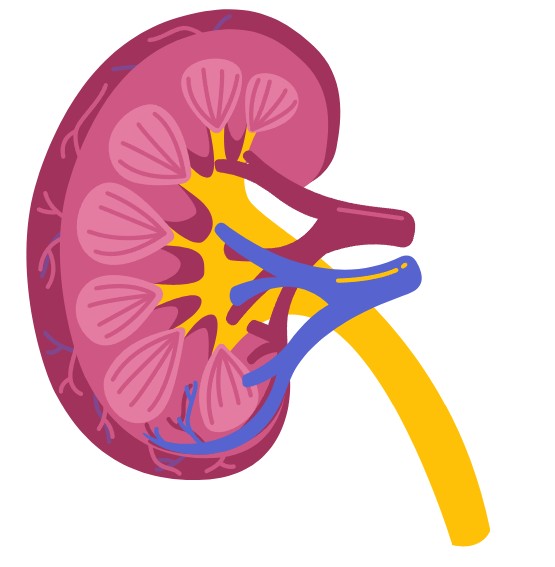
1. No chemical deficiency is indicated because this is abnormal protein deposition.

1. No chemical deficiency is indicated because plaque and inflammation are emphasized.

+852 6358 3131
香港中環德輔道中84-86號章記大廈9樓01室
週一到週日,早上10點到下午9點
 +852 9160 8619
 +852 9160 8619