我們的服務
寵物護理服務
獸醫服務
其他
Length range : 33-38 cm
Height range : 20-23cm
Weight range : 2.7-5.4kg
Coat : Soft , silky coat with little or no noticeable undercoat|short hair and long hair varieties
Life expectancy years : 9-16 (depends on health situation)
Colors: mi-ke tri-color|white|black|red|brown|blue|cream|silver|tortoiseshell|tabby|bi-color|pointed|many other genetically possible colors and patterns.
Activitity Level : High
Origin: Japan
Similar Breeds : Manx|Japanese Bobtail Long Hair|Cymric
The Japanese Bobtail can be traced back to at least the sixth century in Japan and appears in scrolls , prints , carvings and paintings. Sources note links to Japanese court life , rodent control for the silk industry , and lucky cat folklore. The breed was imported to the United States in 1968 , shorthairs achieved CFA Championship status in 1976 , and longhairs followed in 1993.
active|intelligent|affectionate|friendly|curious|playful|gregarious|melodious
playful|intelligent|affectionate|loving|curious|bold|friendly|sociable|active
companionship|interactive play|climbing trees and platforms|puzzle toys|food-dispensing toys|secure outdoor access or indoor life|routine grooming|routine dental , nail , ear , parasite and vaccination care
sociable and dependent on people|good with children , dogs and other cats|may ask for attention and interaction to thrive|can be left for a few hours but not absent for long periods daily
quick brush weekly or several times monthly for shorthair|more frequent combing for longhair|occasional bath|regular nail trimming|ear cleaning|teeth brushing|minimal shedding due to little or no undercoat
complete balanced cat food with nutrients appropriate for age , lifestyle and health|maintain ideal body condition|wet or dry food according to preference and needs|fresh clean water should always be available
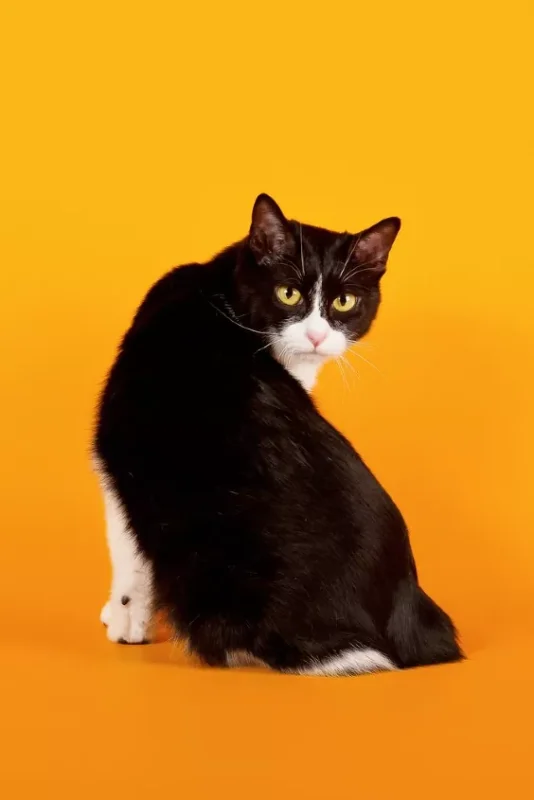
Medium-sized cat with clean lines , fine bone structure and well-developed muscles. Head forms an equilateral triangle with high cheekbones , large upright ears and large oval slanted eyes. Body is long , lean and elegant with hind legs longer than forelegs. Tail is clearly visible , pom-pom like , and no longer than three inches in furthest extension from the body.
The Japanese Bobtail is associated with the beckoning lucky cat image in Japan. Its natural bobtail is unique to each cat like a fingerprint and the mi-ke tricolor has long been especially prized.
Dental disease, Chronic kidney disease, Hyperthyroidism, Hypertrophic cardiomyopathy, Possible spinal deformity association
1. bad breath , red swollen or bleeding gums and tartar buildup may occur
2. drooling , dropping food , reluctance to eat , head turning while eating and oral pain may occur
1. increased thirst and urination may appear early
2. weight loss , poor appetite , vomiting , lethargy and poor coat quality may develop
1. weight loss despite increased appetite , increased thirst and urination may occur
2. vomiting , diarrhea , hyperactivity and unkempt , greasy coat may appear
1. many cats may show no signs at first
2. labored or rapid breathing , open-mouthed breathing , lethargy and hind limb pain or paralysis from clots may occur
1. mild gingivitis may begin around 1-2 years and dental disease is common in cats older than 4 years
1. dental disease is very common and between 50 and 90% of cats older than 4 years may have some form of dental disease
1. signs typically become noticeable in senior cats and often over 10 years
1. this may be a high concern in senior cats of a long-lived breed
1. usually affects middle-aged and older cats and most commonly cats over 10 years
2. average diagnosis may be around 13 years
1. it is a common disease in middle-aged and older cats
1. can be identified at various ages and may worsen progressively over time
2. clinical signs may not appear until middle age or later
1. HCM is the most common heart disease of cats though this breed is not listed among the main predisposed breeds
Can begin any time after the cat reaches maturity (1-2 years old), especially if they are spayed/neutered and their diet isn’t adjusted.
Moderate to High for any indoor cat without sufficient enrichment and strict portion control.

1. the text indicates this is not mainly a chemical deficiency but may reflect lack of plaque removal and mechanical abrasion

1. the content indicates this is a hormone excess disorder rather than a deficiency
2. possible dietary compound imbalance or thyroid-disrupting chemicals might contribute
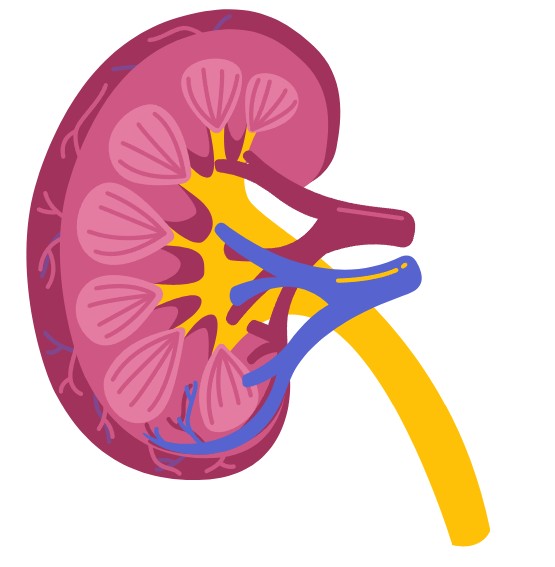
1. failing kidneys may struggle to retain potassium and water-soluble B-vitamins
2. hydration and phosphorus balance may be important

1. genetics may play a role rather than a daily chemical lack

+852 6358 3131
香港中環德輔道中84-86號章記大廈9樓01室
週一到週日,早上10點到下午9點
 +852 9160 8619
 +852 9160 8619