我們的服務
寵物護理服務
獸醫服務
其他
Length range : 43-48 cm
Height range : 25-30cm
Weight range : 3.2-5.4kg
Coat : Long|straight|thick|full|fine|lustrous|glossy|dense undercoat|flowing coat.
Life expectancy years : 9-15 years (depend on health situation)
Colors: chocolate|seal|lilac|blue|black|flame|red|cream|tortoiseshell|frost|silver|golden|brown|fawn|cinnamon|blue point|lilac point|seal point|chocolate point|red point|cream point.
Activitity Level : Low
Origin: Myanmar
Similar Breeds : Persian|Exotic Shorthair
The breed was created to produce a Persian cat with Siamese-style points. Early Himalayans were produced in the United States in the early 1930s through the efforts of Marguerita Gorforth , Virginia Cobb , and Dr. Clyde Keeler. British breeding programs also began in 1935 and resumed after World War II. The breed gained recognition in the mid 1950s and by the 1960s United States registries had accepted it for the show ring. TICA describes the Himalayan as the pointed version of the Persian breed group.
Gentle
placid|gentle|friendly|affectionate|devoted|intelligent|sweet|adaptable
Needs controlled nutrition , daily exercise encouragement , daily grooming , regular face cleaning , calm handling and home care.
Generally friendly with anyone and everyone and enjoys family companionship when treated gently.
The coat requires daily brushing and combing to prevent tangles. The flat face should be cleaned carefully because tear stains may deposit on the face. Regular nail trimming and teeth brushing are recommended.
Nutrition should be controlled because the breed is not highly active and can lose condition or become overweight without diet and exercise management. A high-quality diet with proper protein and nutrients and reliable fresh water is appropriate.
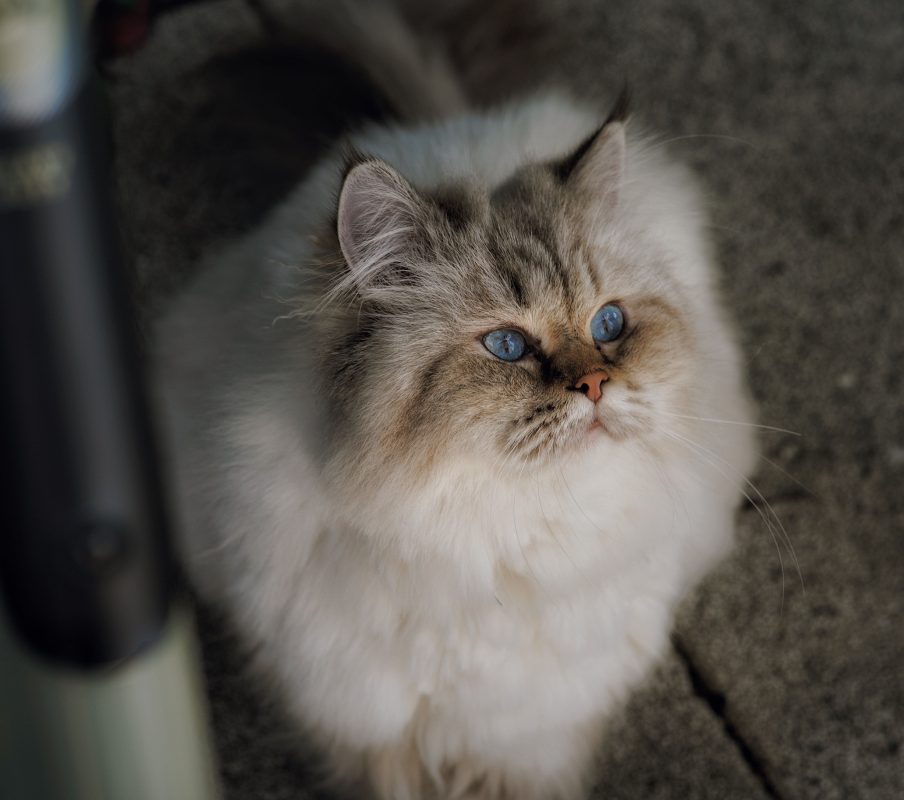
The ideal Himalayan is a strong , well-balanced cat with excellent boning and musculature and the impression of robust power. It should have a round face with a sweet pleasant expression , large round expressive blue eyes , a cobby body , short thick neck , short straight tail and a long dense coat. The cat should be gentle and amenable to handling.
The Himalayan is also known as the Colourpoint or Himalayan Persian and in Britain has long been known as the Colorpoint Longhair.
Brachycephalic obstructive airway syndrome, Polycystic kidney disease, Ocular issues, Dental malocclusion and disease, Idiopathic dermatitis and matting
1. Loud snoring , snorting , snuffly breathing , exercise intolerance , open-mouth breathing , panting , gagging , regurgitation or collapse may occur
1. Signs may be absent for years
2. Later increased thirst and urination , vomiting , weight loss , poor appetite , lethargy and unkempt coat may occur
1. Excessive tearing , tear staining , squinting , redness , cloudiness , inward-rolling eyelids and corneal pain may occur
1. Crooked teeth , tartar buildup , halitosis , red swollen or bleeding gums , difficulty chewing , drooling , pawing at the mouth and loose teeth may occur
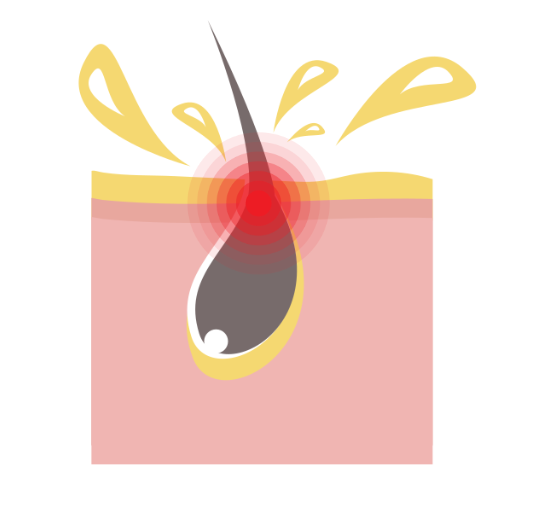
1. Greasy or flaky skin , painful mats , skin infections , itchiness , overgrooming , undergrooming and dandruff may occur
1. Anatomical traits are present from birth
2. Clinical problems may become more apparent from 6 months to 2 years
1. Very high because brachycephalic anatomy is inherent though severity may vary
1. Cysts are present from birth
2. Clinical kidney failure signs typically appear from 3 to 10 years with average around 7 years
1. Low in tested lines
2. High in untested lines
1. Tear staining may be present from a few months old
2. Other eye issues may happen at any time and remain a lifelong risk
1. Very high and tear staining may be nearly universal
1. Malocclusion is present when adult teeth erupt around 6 months
2. Tartar buildup and gingivitis may appear by 1-2 years
1. Very high and progression to significant periodontal disease may be likely without aggressive care
1. Grooming challenges may begin when the adult coat develops around 1 year
2. Matting may occur within days if grooming is neglected
1. Very high and matting may be expected without constant grooming

1. No chemical deficiency causes this condition

1. Primarily structural
2. Tear film and corneal health may depend on vitamin A
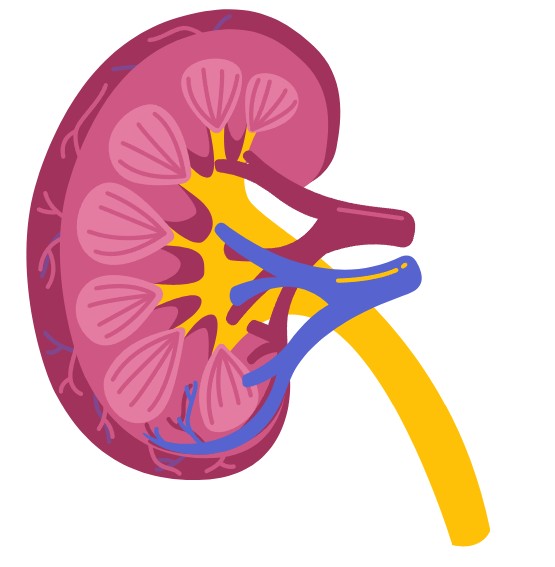
1. It is genetic
2. In later kidney failure potassium and B-vitamins may be hard to retain and phosphorus balance may be difficult

1. It is structural and related to lack of space and proper self-cleaning rather than a chemical deficiency
1. Not a direct deficiency
2. Skin and coat health may depend on omega-3 and omega-6 fatty acids

+852 6358 3131
香港中環德輔道中84-86號章記大廈9樓01室
週一到週日,早上10點到下午9點
 +852 9160 8619
 +852 9160 8619