我們的服務
寵物護理服務
獸醫服務
其他
Length range : 30-38 cm
Height range : 23-28cm
Weight range : 3.6-4.5kg
Coat : Short coat|short to medium length|smooth|silky|lustrous|glossy|no undercoat appearance.
Life expectancy years : 8-15
Colors: rich warm brown|chocolate brown|mahogany brown|brown|lilac.
Activitity Level : Moderate
Origin: United States
Similar Breeds : Russian Blue|Oriental Shorthair|Siamese
Brown cats of Siamese type existed in the United Kingdom and Europe in the late 1800s. After World War II English breeders crossed Siamese with black domestic shorthairs to create a self-brown cat. Cats were exported to the United States where breeders preserved the distinctive look and expanded the gene pool. CFA accepted Havana Brown for registration in 1959 and Championship status in 1964. Hill’s also notes Elmtower Bronze Idol in England in 1952 as an early foundation cat.
Playful
busy|affectionate|intelligent|gregarious|curious|playful|people-oriented|friendly|adaptable
Needs human companionship , indoor life , moderate grooming , portion control and interactive attention.
Very people-oriented and affectionate , may bond closely with one person , generally gets along with cats , dogs and children , and likes to involve itself in household activity.
The short silky coat is easy to groom. A soft brush may be used regularly or daily and a fuller rubdown two or three times a month can help maintain gloss. Regular bathing is usually unnecessary unless the cat is being shown.
Nutrition should be controlled so the cat stays slender and muscular and does not become overweight. Good quality complete food and fresh water are important.
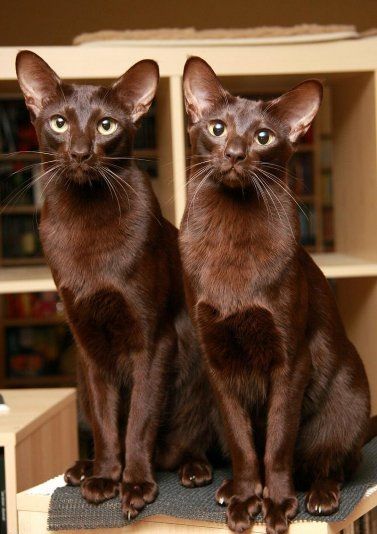
The breed standard calls for a medium-sized cat with good muscle tone , a head longer than wide , a pronounced muzzle break and stop at the eyes , large forward-tilted ears , oval green eyes , medium-length body and tail , oval compact paws and a short to medium smooth lustrous coat in an even rich warm brown.
The breed is nicknamed Brownies and is so rare that it could top a list of endangered cat breeds. Havana Browns are also notable for brown whiskers that complement the coat color.
Dental disease, Calcium oxalate urolithiasis, Feline asthma, Obesity, Cancer
1. Bad breath , red swollen or bleeding gums , visible tartar , drooling , dropping food , pawing at the mouth and reluctance to have the head touched may occur
1. Straining to urinate , frequent small urinations , urinating outside the litter box , blood in urine and crying in the litter box may occur
1. Coughing , wheezing , rapid or labored breathing , open-mouth breathing or panting may occur and cats may crouch with the neck extended
1. Ribs may be hard to feel , waist may be lost , abdomen may bulge , lethargy , reduced play and poor grooming may occur
1. Signs may vary
2. Weight loss , vomiting , diarrhea , enlarged lymph nodes , skin bumps , poor appetite , hiding and lethargy may occur
1. Mild gingivitis may begin as early as 1-2 years
2. Significant dental disease may be present by age 3 without preventive care
1. Very high and it is likely some cats may develop it without proactive care
1. Can occur at any age
2. Often diagnosed at 5-10 years
1. Moderate and the text suggests Siamese ancestry may increase risk
1. Cornell indicates the average diagnosis is around 4-5 years
2. The text also suggests young to middle-aged onset around 2-8 years
1. Low to moderate and Cornell notes asthma affects 1-5 percent of cats overall while breed predisposition is not definitive for Havana Brown
1. Can begin after maturity around 1-2 years especially after spay or neuter if calories are not adjusted
1. Moderate to high for indoor cats without enrichment and portion control
1. Typically may appear in middle-aged to older cats around 8+ years
1. Low and the text suggests only a slight increased risk in some lines

1. Not a chemical deficiency
2. Lack of mechanical abrasion to remove plaque is the issue
>

1. Not a deficiency
2. A lack of clean air may act as a major trigger
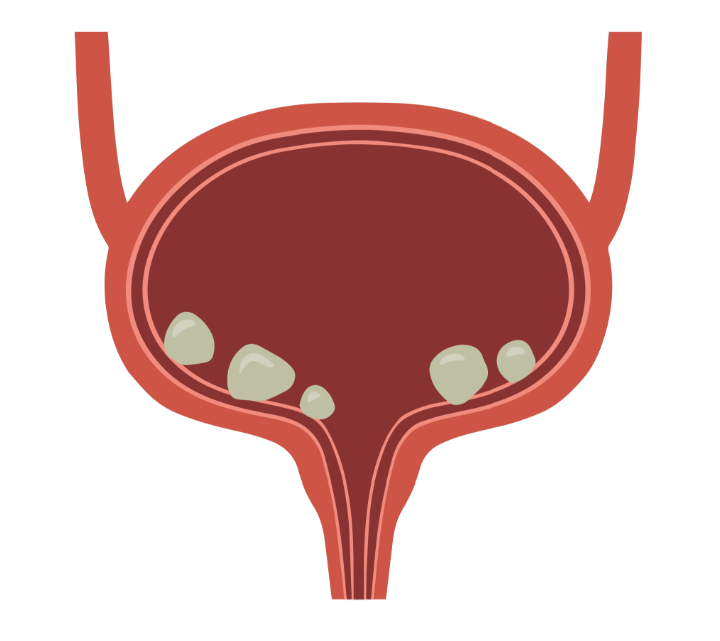
1. Water may be lacking because dehydration can concentrate urine
2. The condition is metabolic rather than a simple deficiency
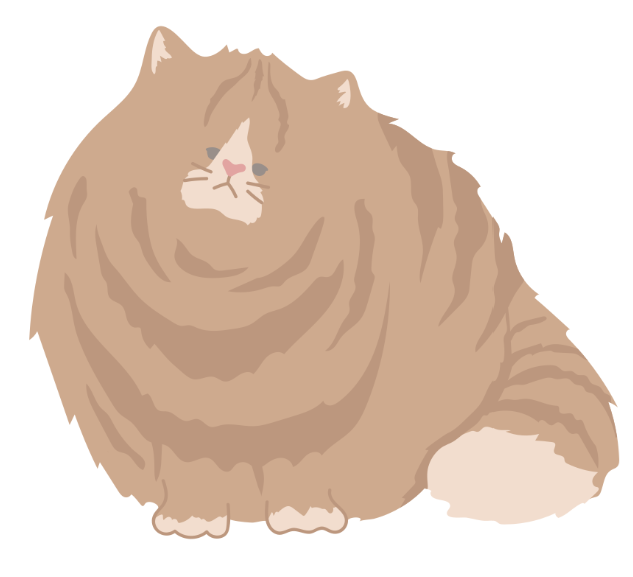
1. It is excess calories rather than a deficiency
2. Exercise and portion control may be lacking

1. No specific deficiency causes it
2. The text suggests low antioxidant support may leave cells more vulnerable over time

+852 6358 3131
香港中環德輔道中84-86號章記大廈9樓01室
週一到週日,早上10點到下午9點
 +852 9160 8619
 +852 9160 8619