我們的服務
寵物護理服務
獸醫服務
其他
Length range : 41-48 cm
Height range : 25-30cm
Weight range : 4.5-5.4kg
Coat : Short to medium length , dense , plush , soft , thick undercoat , stands away from the body.
Life expectancy years : 8-15
Colors: white|red|cream|black|blue|chocolate|lilac|silver|golden|tortoiseshell|bluecream|brown|calico|cinnamon|fawn|bi-color|tri-color|solid|tabby|color point.
Activitity Level : Low
Origin: United States
Similar Breeds : Persian|British Shorthair|Scottish Fold
The breed developed in the United States from the 1950s into the 1960s when Persian cats were crossed with American Shorthairs and occasionally Burmese to create a short-coated cat with Persian type. Early hybrids were controversial , but CFA established the breed in 1966. The breed was later bred back largely to Persians and TICA championship recognition is noted from June 1979.
Gentle
sweet|affectionate|quiet|gentle|placid|easy-going|loyal|playful|calm|sociable|inquisitive
Needs daily coat and face care , calm handling , indoor living , encouragement to exercise , and weight control.
Sociable and dependent with family , generally friendly and adaptable , can live with children and other pets , but often prefers quiet homes and may be selective or mildly reserved with strangers.
Daily grooming is important. The coat should be brushed or combed every day or very regularly to remove undercoat and manage shedding. The flat face , eyes and sometimes the area under the tail need regular cleaning.
Nutrition should be controlled carefully because this is a less athletic breed that can gain weight. Cats need complete carnivorous nutrition and portion control to maintain ideal body condition. Wet or dry preferences may vary by individual.
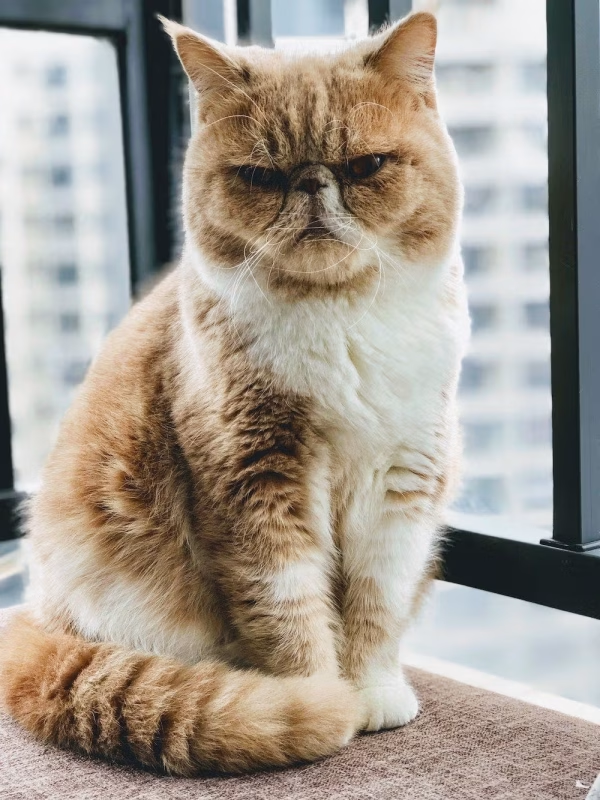
The ideal Exotic is a heavily boned , well-balanced cobby cat with a sweet expression , large round eyes , round massive head , short snub nose , short strong legs and a dense plush coat. Balance and refinement are emphasized and the breed shares Persian structure except for coat description.
The breed is often described as a Persian with a shorter plush coat and teddy-bear look. Although easier to coat-manage than a Persian , it still needs more grooming and face care than many other shorthairs.
Brachycephalic obstructive airway syndrome, Polycystic kidney disease, Ocular issues, Dental disease, Hypertrophic cardiomyopathy
1. Loud snoring , snorting , snuffly breathing , exercise intolerance , open-mouth breathing , panting , gagging or regurgitating may occur and severe cases may collapse
1. Early disease may show no signs
2. Later signs may include increased thirst and urination , vomiting , weight loss , poor appetite , lethargy and unkempt coat
1. Excessive tearing , tear staining , squinting , redness , cloudiness , pain and chronic irritation may occur
1. Crooked teeth , tartar buildup , bad breath , red swollen or bleeding gums , drooling , dropping food , mouth pawing and difficulty chewing may occur
1. Many cats may show no early signs or only a murmur
2. Later signs may include lethargy , rapid or labored breathing , open-mouthed breathing and sudden hind-limb pain or paralysis from blood clots
1. Anatomy is present from birth
2. Mild signs may appear in kittens
3. Clinical problems often become more apparent from 6 months to 2 years
1. Very high because brachycephalic anatomy is inherent to the breed though severity varies
1. Cysts are present from birth
2. Clinical signs of kidney failure typically appear from 3-10 years with an average around 7 years
1. Low in well-bred tested lines
2. High in untested lines
1. Tear staining is often present from a few months of age
2. Ulcers and irritation may occur at any time
1. Very high for tear staining
2. Elevated lifelong risk for ulcers and related eye problems
1. Malocclusion may be present when adult teeth erupt around 6 months
2. Faster tartar buildup and gingivitis may appear by 1-2 years
1. Very high because jaw crowding is a breed trait and progression may be likely without care
1. May be detected by screening in young adults around 1-3 years
2. Clinical signs may not appear until 3-8+ years or later
1. Moderate and the content suggests increased risk through Persian heritage

1. No chemical lack is indicated because this is structural

1. Structural conformation is the main issue
2. Tear film and corneal health may depend on nutrients such as vitamin A
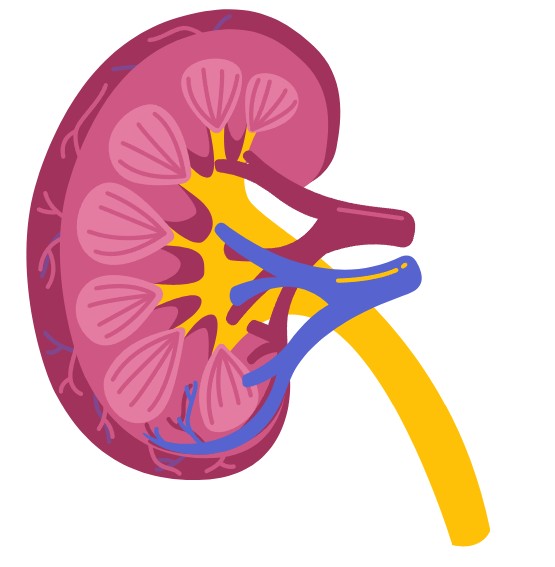
1. It is genetic
2. Later kidney failure may be associated with difficulty retaining potassium and B-vitamins and with phosphorus imbalance

1. Not a chemical deficiency
2. Lack of space , alignment and mechanical cleaning may be the issue

1. Primarily genetic
2. The text indicates heart energy use may rely on nutrients such as taurine , L-carnitine and CoQ10

+852 6358 3131
香港中環德輔道中84-86號章記大廈9樓01室
週一到週日,早上10點到下午9點
 +852 9160 8619
 +852 9160 8619