我們的服務
寵物護理服務
獸醫服務
其他
Length range : 23-33 cm
Height range : 38-46cm
Weight range : 3.6-5.4kg
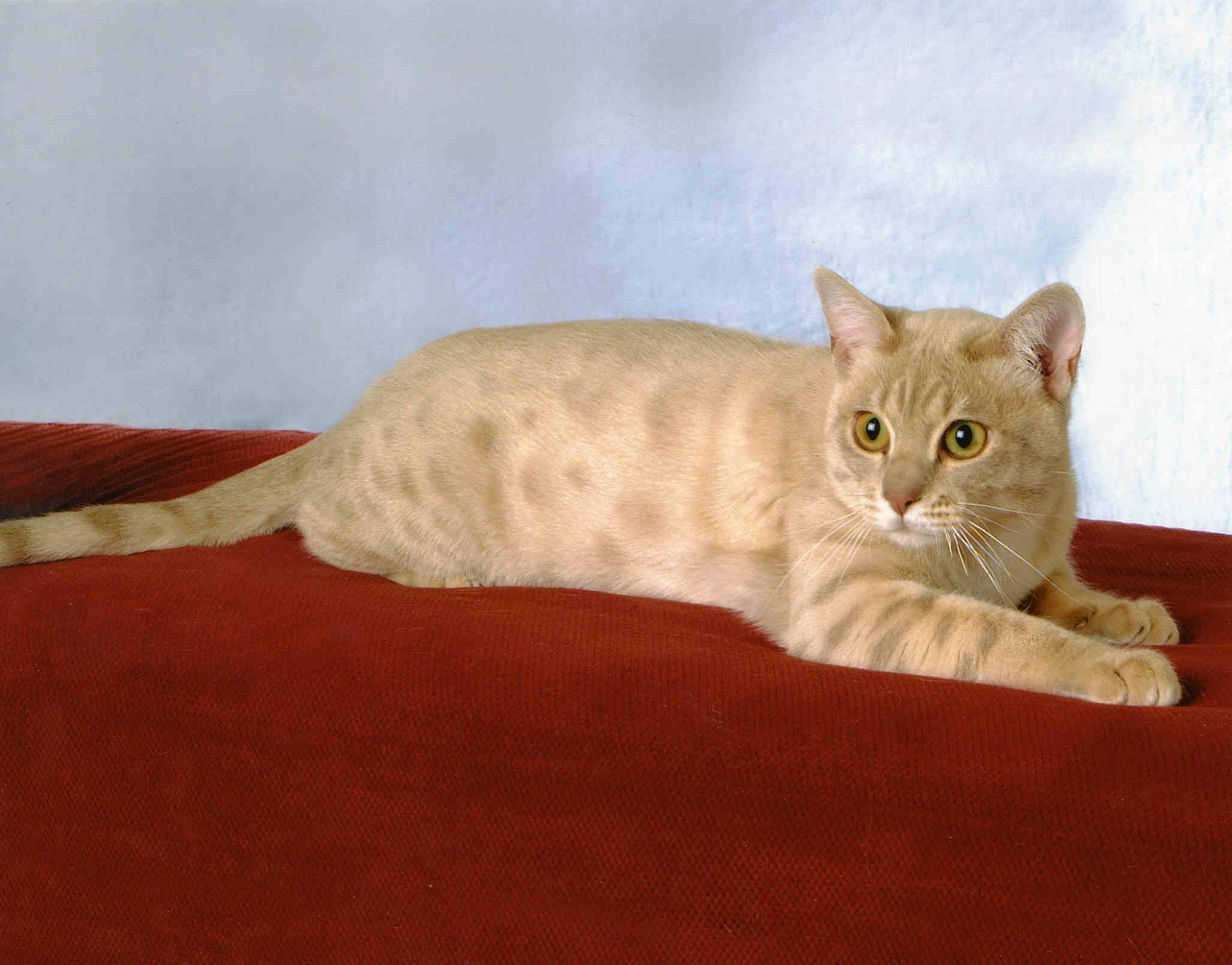
Coat : Shorthair or semi-longhair , silky , smooth , dense coat with sparkling silver or shaded appearance.
Life expectancy years : 12-13 (depends on health situation)
Colors: black|blue|chocolate|lilac|caramel|beige|apricot|silver white|seal sepia|red|cream|golden.
Activitity Level : Variable
Origin: United Kingdom
Similar Breeds : Persian|Burmese
The breed began with an accidental mating in 1981 between a Chinchilla Persian male and a lilac European Burmese female that produced four black shaded silver female kittens. Their appearance inspired a breeding program to develop the new breed. CFA notes both longhair and shorthair varieties were accepted for registration in 2011 and advanced to championship status in 2014.
Playful
affectionate|sweet-natured|inquisitive|gentle|laid-back|playful|mischievous|social|intelligent|friendly|quiet|loyal|devoted|people-oriented|gregarious|independent
Needs attention , climbing spaces , perches , play , environmental enrichment , regular grooming , and weight management if exercise is limited.
Moderate to high social needs. Burmillas are affectionate and family-oriented , usually get along with children , dogs , and other cats , yet can tolerate some independence during the day.
Grooming is generally moderate. Weekly brushing is usually recommended though Hill’s also notes daily brushing to remove loose and dead hairs. Regular nail trims , ear cleaning , and dental care are also needed.
Nutrition should support lean body condition because this sturdy breed may gain weight if not exercised enough. Good-quality food , fresh water , and dietary adjustment for weight control or diabetes risk may be helpful.
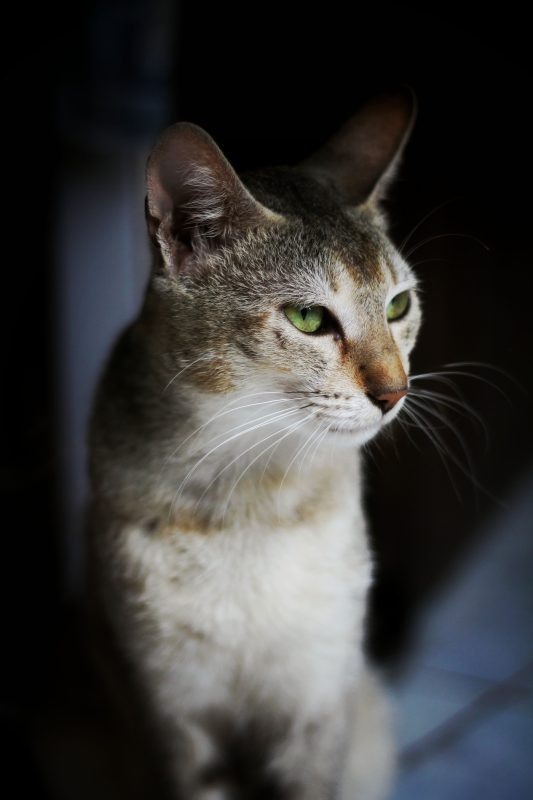
The breed standard describes an elegant medium-sized foreign-type cat with a gently rounded top head , balanced wedge , gentle nose dip , large luminous green eyes , medium to large ears , medium-length body , straight back , slender strong legs , and a pure silver white ground color with even tipping or shading. Both shorthair and longhair varieties are recognized.
The Burmilla began from an accidental 1981 mating and its eye color may take up to two years to fully develop. Its sparkling silver coat and outlined features are hallmark traits.
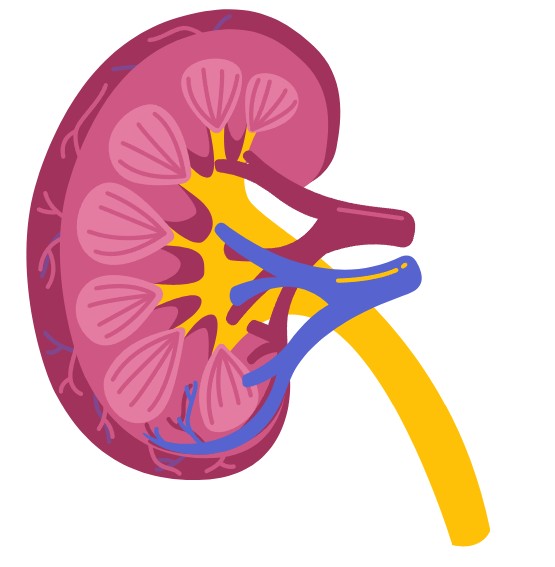
Polycystic kidney disease, Dental disease, Diabetes mellitus, Hypokalemic polymyopathy, Hypertrophic cardiomyopathy
Polycystic kidney disease -> 1. Increased thirst and urination may occur early 2. Weight loss , poor appetite , nausea , vomiting , lethargy , bad breath and dull coat may appear as kidney failure progresses
Dental disease -> 1. Bad breath , red swollen or bleeding gums and tartar buildup may occur 2. Drooling , dropping food , mouth pawing and reduced grooming may appear
Diabetes mellitus -> 1. Increased thirst , increased urination , increased appetite with weight loss may occur 2. Lethargy , poor coat and hind leg weakness or plantigrade stance may appear
Hypokalemic polymyopathy -> 1. Episodic muscle weakness , stiff or crouched walk and head droop may occur 2. Tremors , general weakness and reluctance to move may appear
Hypertrophic cardiomyopathy -> 1. Early disease may be asymptomatic and a murmur may be the first sign 2. Increased resting respiratory rate , lethargy , open-mouth breathing and sudden painful hind leg paralysis from a clot may occur
1. Signs usually become noticeable in middle-aged to senior cats from about 3 to 10 years as kidney function declines
1. Low from reputable tested breeders 2. High from untested sources
1. Mild gingivitis may begin by age 1 to 2 2. Many cats may show dental disease by age 3 without prevention
1. Very high 2. The content suggests significant dental disease is likely without proactive care
1. Most often diagnosed in middle-aged to senior cats over 6 years 2. Risk may rise with overweight status
1. Moderate to high 2. It indicates inherited Burmese-related predisposition and excess weight may increase risk
1. Usually appears in young cats between about 2 and 10 months
1. Low from reputable tested breeders 2. Moderate from untested sources
1. May be detected by screening as early as 1 to 2 years 2. Clinical signs often appear in adult cats between about 2 and 8 years
1. Moderate 2. The risk may be lower when breeding cats receive regular cardiac screening
1. Not a deficiency disorder 2. Mechanical abrasion for tooth cleaning may be lacking

1. Metabolic carbohydrate intolerance rather than a nutrient deficiency

1. Not a deficiency disorder 2. Mechanical abrasion for tooth cleaning may be lacking
1. Potassium may be lacking because the body cannot retain it properly

1. Genetic heart disease rather than a deficiency

+852 6358 3131
香港中環德輔道中84-86號章記大廈9樓01室
週一到週日,早上10點到下午9點
 +852 9160 8619
 +852 9160 8619