我們的服務
寵物護理服務
獸醫服務
其他
Length range : 56-64 cm
Height range : 30-46cm
Weight range : 3.2-7.7kg
Coat : Short , very dense , plush , resilient coat with a crisp feel; can be short to medium in some descriptions and becomes thicker seasonally.
Life expectancy years : 15-20
Colors: white|blue|black|cream|red|brown|silver|cameo|bluecream|tortoiseshell|torbie|smoke|shaded|chocolate|lilac.
Activitity Level : Low
Origin: Great Britain
Similar Breeds : Selkirk Rex|Scottish Fold|Manx|Cymric
The breed traces to Britain and is often linked to ancient Roman cats. It became prominent at early London cat shows including Crystal Palace in 1871. World Wars reduced breeding stock and led to careful cross-breeding including Persians and domestic shorthairs to preserve and refine the breed. It was first exported to the United States in the early 1900s and later recognized broadly in major registries.
Gentle
calm|quiet|easy-going|placid|loyal|affectionate|gentle|friendly|independent|reserved|intelligent|devoted|patient|adaptable|warmhearted
Needs portion control , regular exercise , interactive play , fresh water , scratching options , and routine coat , nail , ear , and dental care. Because the breed is placid and can gain weight easily , monitoring body condition is important.
Affectionate but undemanding. British Shorthairs usually enjoy staying near people , follow family members from room to room , and can do well with children and other pets. They often tolerate some alone time better than many breeds but still prefer company.
The dense plush coat is usually manageable with weekly brushing or combing , with extra grooming during seasonal shedding. Regular claw trimming and occasional ear cleaning are also advised.
A high-quality balanced diet with portion control is important because the breed can gain weight easily. Fresh clean water should always be available. Measured meals rather than free-feeding may help maintain healthy weight and body condition.
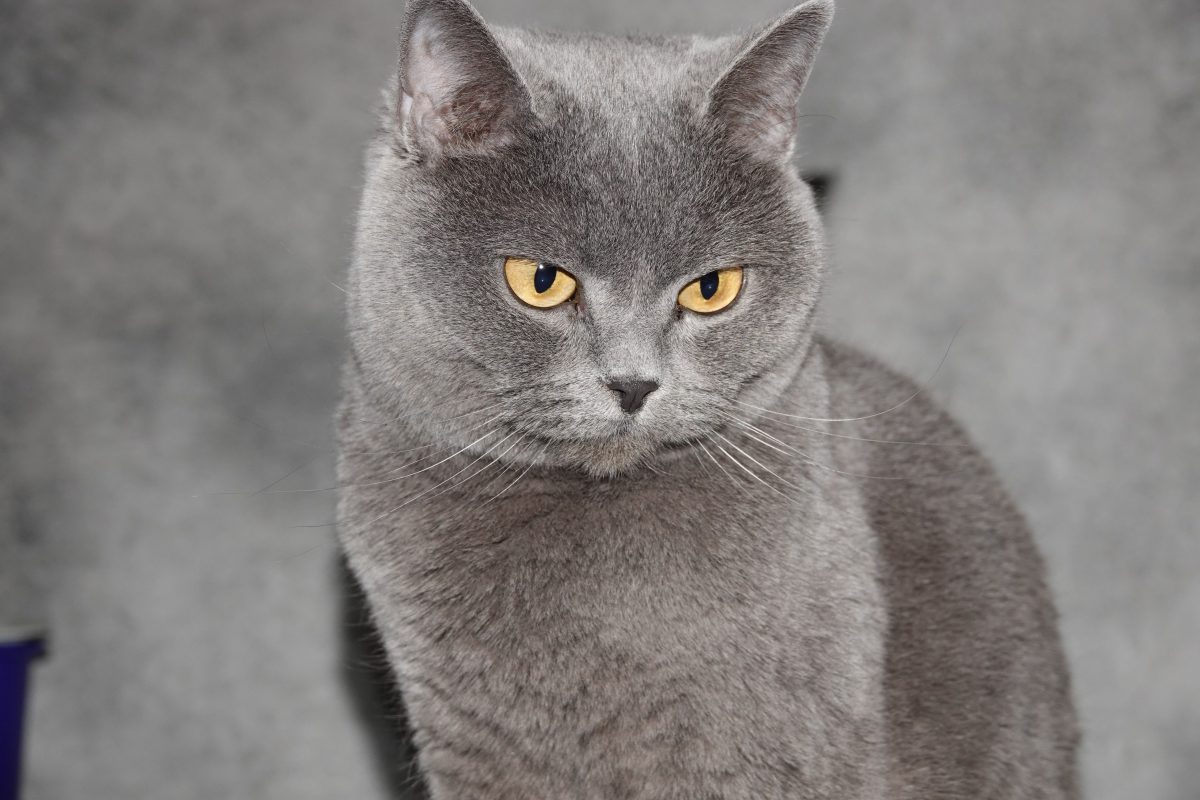
The breed standard calls for a compact , well-balanced , powerful cat with a full broad chest , short to medium strong legs , rounded paws , thick-based tail with rounded tip , round head , medium ears , large round eyes , and a short very dense resilient coat. The breed matures slowly over 3 to 5 years and should show balance without extremes.
The British Shorthair is often linked to the Cheshire Cat and is famous for its plush teddy-bear look. Blue is especially popular but the breed appears in many colors and patterns. It is slow to mature and may not reach full development until 3 to 5 years.
Hypertrophic cardiomyopathy, Obesity, Polycystic kidney disease, Dental disease, Arthritis
Hypertrophic cardiomyopathy -> 1. Early disease may be asymptomatic 2. Heart murmur or gallop rhythm may be the first sign 3. Increased resting breathing rate , lethargy , open-mouth breathing , decreased appetite , fainting or hind leg paralysis and pain from thromboembolism may occur
Obesity -> 1. Ribs may be hard to feel 2. Waist may be lost with sagging belly or fat pads 3. Reduced activity , reluctance to jump , grooming difficulty and poor coat may occur
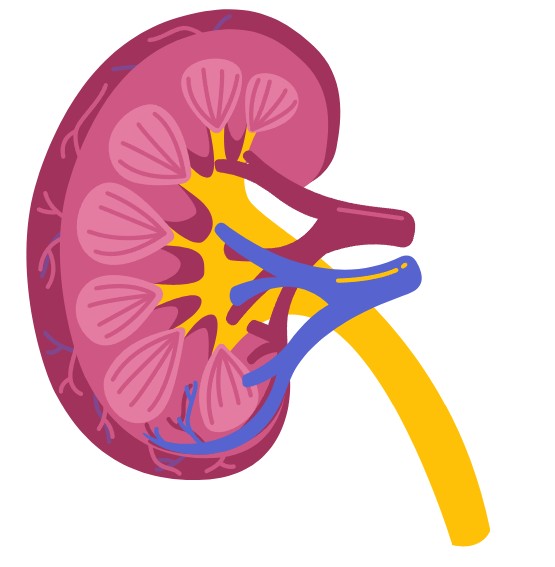
Polycystic kidney disease -> 1. Increased thirst and urination may appear early 2. Weight loss , poor appetite , vomiting , lethargy and dull coat may develop as kidney function declines
Dental disease -> 1. Bad breath , red gums , bleeding gums and tartar buildup may occur 2. Drooling , dropping food , pawing at the mouth or reduced grooming may appear
Arthritis -> 1. Reluctance to jump , stiffness , limping and sleeping more may appear 2. Litter box avoidance , irritability on handling and reduced grooming may occur
1. Screening may detect it from about 1 year
2. Clinical signs often appear in adults from about 2 to 8 years
1. Moderate to high 2. Risk may be reduced when breeding cats are screened with echocardiography
1. May begin after spay or neuter around 1 year if diet and activity are not managed
2. Often becomes more obvious in adulthood from about 2 to 6 years
1. Very high 2. The content suggests this is one of the most common preventable issues in the breed
1. Cysts are present from birth
2. Symptoms often become noticeable in middle-aged to senior cats from about 3 to 10 years
1. Low from tested reputable lines 2. Moderate to high from untested sources
1. Mild gingivitis may begin by 1 to 2 years
2. Many cats develop dental disease by age 3 without prevention
1. Very high 2. It indicates many adult cats may develop some degree without proactive care
1. Typically becomes clinically apparent in senior cats over 8 years
2. It may start earlier in overweight cats
1. High 2. The content suggests many senior cats show degenerative joint changes

1. Genetic disorder rather than a deficiency
2. Taurine lack is noted only as a cause of a different heart problem
1. Not a deficiency disease
2. Potassium and water retention may become difficult once kidney failure develops
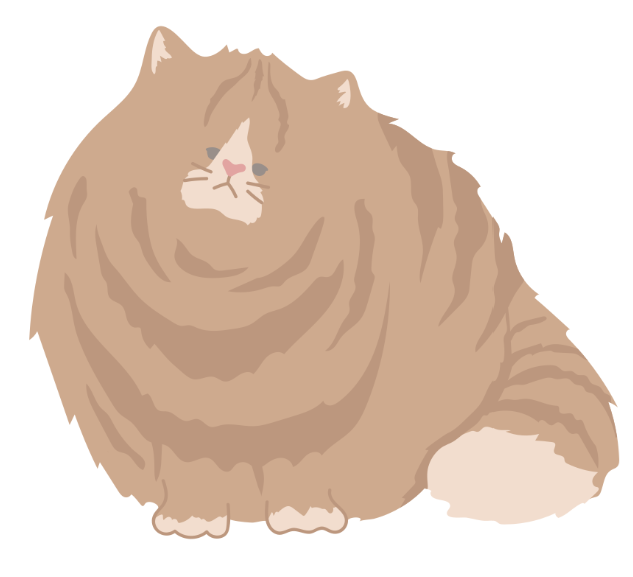
1. Energy imbalance from excess calories rather than lack of a chemical

1. Not a deficiency
2. Lack of mechanical abrasion on teeth may worsen plaque and tartar buildup
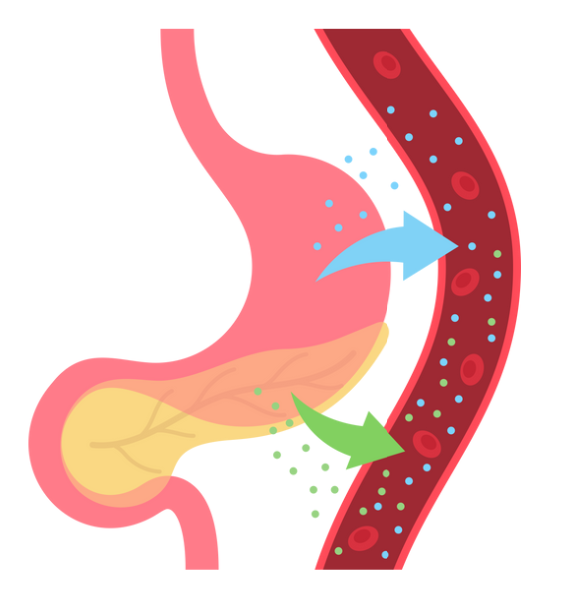
Insulin may be lacking or poorly used 2. A high-carbohydrate diet may contribute

+852 6358 3131
香港中環德輔道中84-86號章記大廈9樓01室
週一到週日,早上10點到下午9點
 +852 9160 8619
 +852 9160 8619