我們的服務
寵物護理服務
獸醫服務
其他
Length range : 30-45.7 cm
Height range : 20-28cm
Weight range : 2.7-5.4kg
Coat : Long|single coat|silky|straight|close-lying|no undercoat|plumed tail
Life expectancy years : 18-22
Colors: seal point|chocolate point|blue point|lilac point|frost|cream|red|fawn|cinnamon|lynx point|tortie point|smoke point|silver lynx point.
Activitity Level : High
Origin: United States
Similar Breeds : Siamese|Colorpoint Shorthair|Oriental Longhair|Havana|Ocicat|Tonkinese
Longhaired Siamese kittens were noted as early as the early 1900s. Modern development began in the 1940s and 1950s in the United States through breeders including Helen Smith / Sylvia Holland and Marion Dorsey. The breed was named for the graceful dancers of Bali and achieved CFA championship recognition in 1970 / with later color expansions and a 2008 merge of Javanese divisions in CFA.
Playful
Affectionate, loving, sociable, vocal, lively, intelligent, active, playful, demanding, curious, gregarious, sensitive, agile, athletic
Needs stimulation / toys / climbing spaces / play / companionship and regular interaction. The breed may become demanding or unhappy if ignored for long periods.
Very social and affectionate with close family bonds. They may thrive on attention / may be happiest in pairs / and often do well with older children / cat-friendly dogs and interactive households.
The Balinese has no downy undercoat and is usually easy to care for. Brushing or combing several times a month to weekly may control shedding and tangles. Baths may occasionally help if oils make the coat look greasy. Nail / eye / ear and dental care are also important.
Adult cats generally need balanced feeding and fresh clean water. Some source text suggests canned food can be useful because it may provide higher water content and lower carbohydrate levels than dry food. Weight control is important because this slender breed should not become obese.
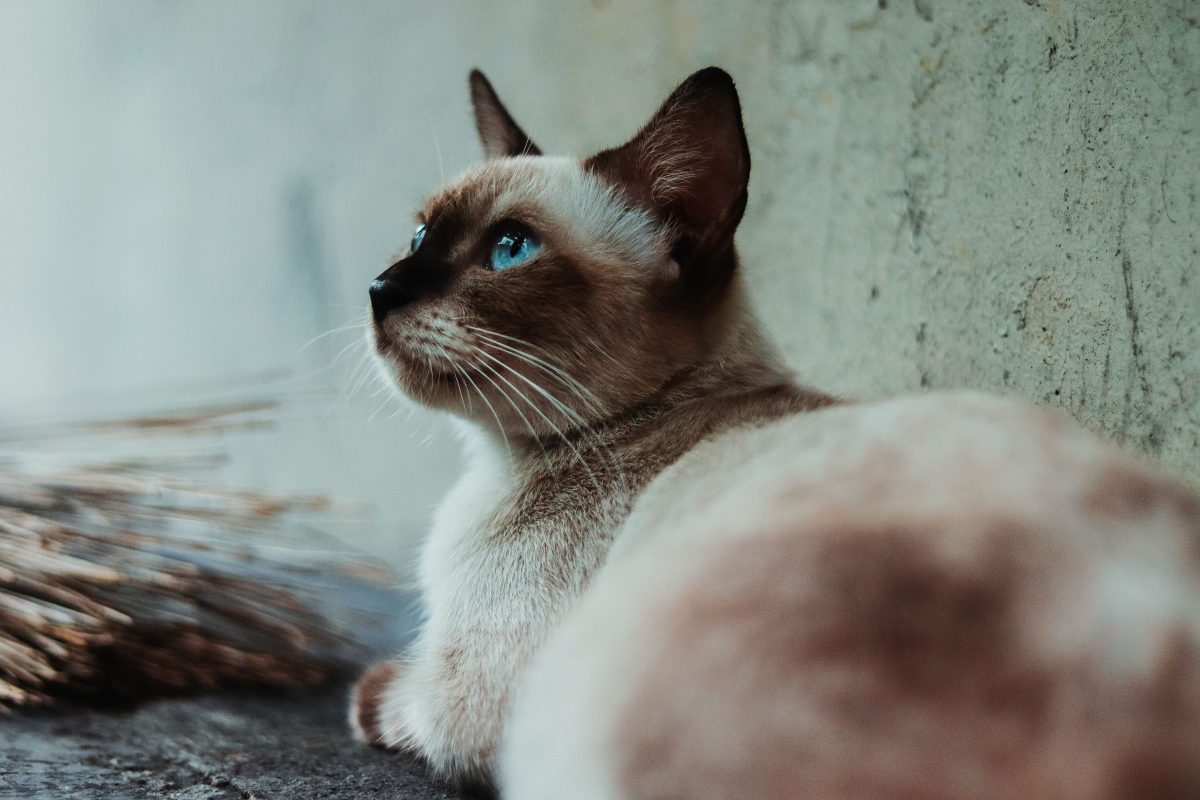
The ideal Balinese is a svelte / graceful / refined medium-sized cat with long tapering lines / fine bones and firm muscles. The coat is silky without a downy undercoat and the eyes should be blue. Balance and proportion are emphasized over bulk.
Despite the name , the breed does not originate from Bali. The name was chosen because the cat’s graceful movement reminded breeders of Balinese dancers. The Balinese may also leap onto a person’s shoulders and often behaves like a helpful , talkative companion.
Feline asthma / bronchial disease, Dental and periodontal disease, Progressive retinal atrophy, Gastrointestinal issues including sensitive stomach or pica, Amyloidosis
1. Coughing with crouching / neck extension and dry hacking may occur. 2. Wheezing / increased respiratory rate / labored breathing and open-mouth breathing may occur.
1. Bad breath / red swollen or bleeding gums / tartar / drooling / pawing at the mouth and face sensitivity may occur. 2. Excess salivation / blood in saliva / dysphagia / loose teeth / weight loss and poor grooming might occur.
1. Night blindness / dilated pupils / increased eye shine / bumping into furniture and progressive blindness may occur.
1. Chronic intermittent vomiting / soft stools or diarrhea / weight loss / chewing or sucking fabrics / holes in fabrics and vomiting fabric pieces may occur.
1. Lethargy / severe weight loss / vomiting / jaundice / swollen abdomen or increased thirst and urination may occur depending on the organ involved.
1. Symptoms may first appear between 2 and 8 years.
1. Probability may be high because the Siamese family is described as significantly predisposed.
1. Mild gingivitis may begin at 1 to 2 years.
2. Significant disease may be common by 4 to 6 years and many cats over 3 years may need intervention.
1. Probability may be very high and over 85% of cats over age three may have some form of dental disease.
1. Vision loss may become noticeable around 1.5 to 2 years and may progress over 2 to 4 years.
1. Probability may be low if responsible breeders use DNA testing but may be high if two carrier parents are bred.
1. GI sensitivity may begin in late kittenhood or early adulthood.
2. Pica may start in kittens and may persist into adulthood.
1. Probability may be moderate.
1. Often affects young adult to middle-aged cats between 1 and 5 years.
1. Probability may be low but significant because risk is higher than in the general cat population.

1. No true deficiency is indicated though low omega-3 fatty acids might worsen inflammatory response.

1. No deficiency is indicated because this is genetic.

1. No chemical deficiency is indicated because plaque and bacterial buildup are emphasized.

1. Cobalamin vitamin B12 may become low with malabsorption in IBD-related cases.
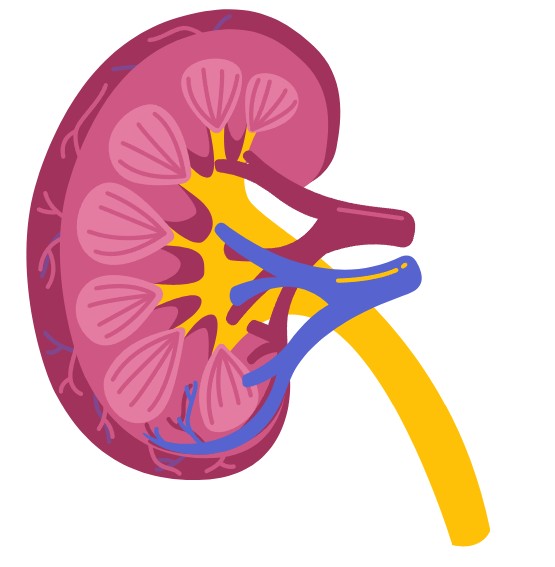
1. No deficiency is indicated because this is linked to abnormal protein deposition.

+852 6358 3131
香港中環德輔道中84-86號章記大廈9樓01室
週一到週日,早上10點到下午9點
 +852 9160 8619
 +852 9160 8619