我們的服務
寵物護理服務
獸醫服務
其他
Length range : 36-46 cm
Height range : 20-25cm
Weight range : 3.6-6.8kg
Coat : Short, dense, close-lying, soft, silky, glossy coat that may be rosetted, spotted, marbled, and sometimes glittered.
Life expectancy years : 9-15
Colors: brown tabby, silver tabby, seal lynx point, seal sepia tabby, seal mink tabby, blue, snow, charcoal, spotted, rosetted, marbled, melanistic, smoke
Activitity Level : High
Origin: United States of America
Similar Breeds : Abyssinian, Savannah, Toyger
The breed began with crosses involving the Asian Leopard Cat and domestic cats in the United States in 1963 through the work of Jean Mill. Later development also involved cats from Dr. Willard Centerwall’s program and other domestic breeds. TICA accepted the breed in 1986 and granted championship status in 1991. CFA accepted Bengals for registration in 2016 and advanced them to championship status in 2018.
Playful
confident, curious, athletic, intelligent, playful, loving, social, people-oriented, devoted, attentive, alert, trainable, energetic, friendly, inquisitive
Needs substantial physical and mental enrichment, room to run and climb, frequent interactive play, companionship, and regular monitoring because of high activity and curiosity.
Very social and people-oriented. Enjoys family involvement, often bonds closely with people, may do well with children and other pets when introduced properly, and may not do well if left alone for long periods.
Shorthaired Bengals need relatively little grooming. Weekly brushing is usually enough to remove dead hair and maintain the silky coat. Bathing is generally not needed unless for showing. Nails should be trimmed regularly.
A high-quality diet with balanced nutrients is recommended. Bengals benefit from measured feeding and fresh water at all times. Because of their activity and muscle mass they may do well with diets supporting protein intake, digestion, skin and coat health, and oral hygiene.
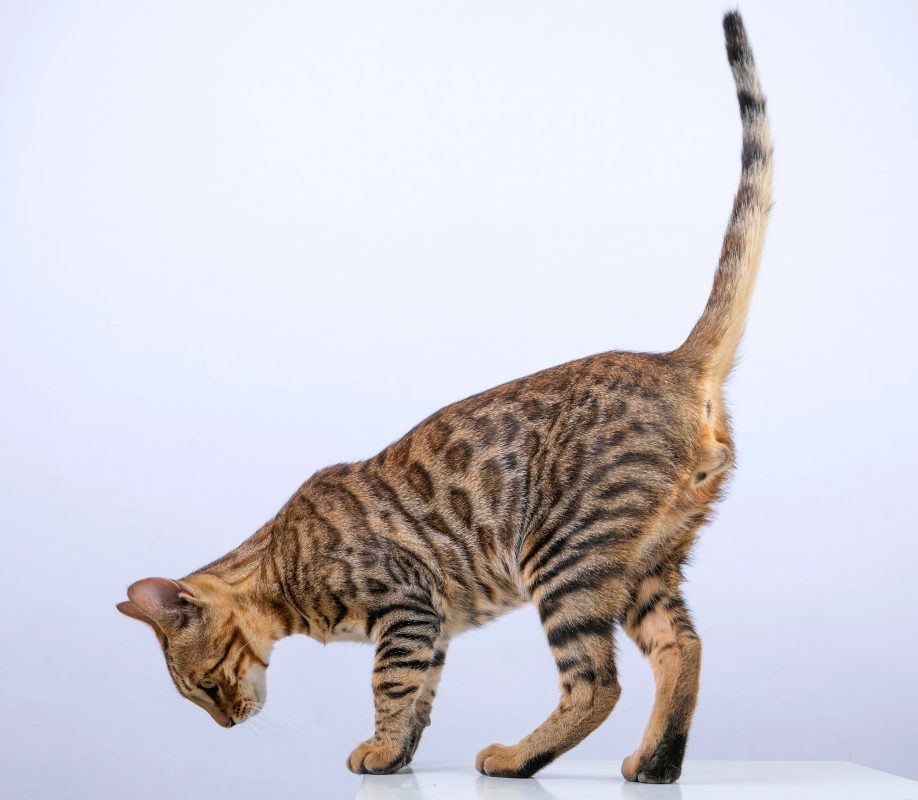
The breed standard describes a medium to large sleek muscular cat with substantial boning, slightly higher hindquarters, thick tail with rounded tip, broad modified wedge head, large expressive eyes, wide nose, prominent whisker pads, and a close-lying soft luxurious coat with high-contrast rosetted or marbled pattern.
Bengals are the only domestic cat breed especially noted for dramatic rosettes. Many enjoy water, can learn tricks such as sit and fetch, and some may walk on a harness. Some coats show a glitter effect.
Hypertrophic cardiomyopathy, Progressive retinal atrophy, Inflammatory bowel disease, Pyruvate kinase deficiency, Patellar luxation
1. May show no early signs 2. Heart murmur or gallop rhythm may be detected 3. Lethargy, rapid breathing, open-mouth breathing, coughing, fainting, hind leg paralysis and pain with saddle thrombus may occur
1. Night blindness 2. Hesitation in dim light, bumping into objects 3. Dilated pupils, increased eye shine, progressive day vision loss
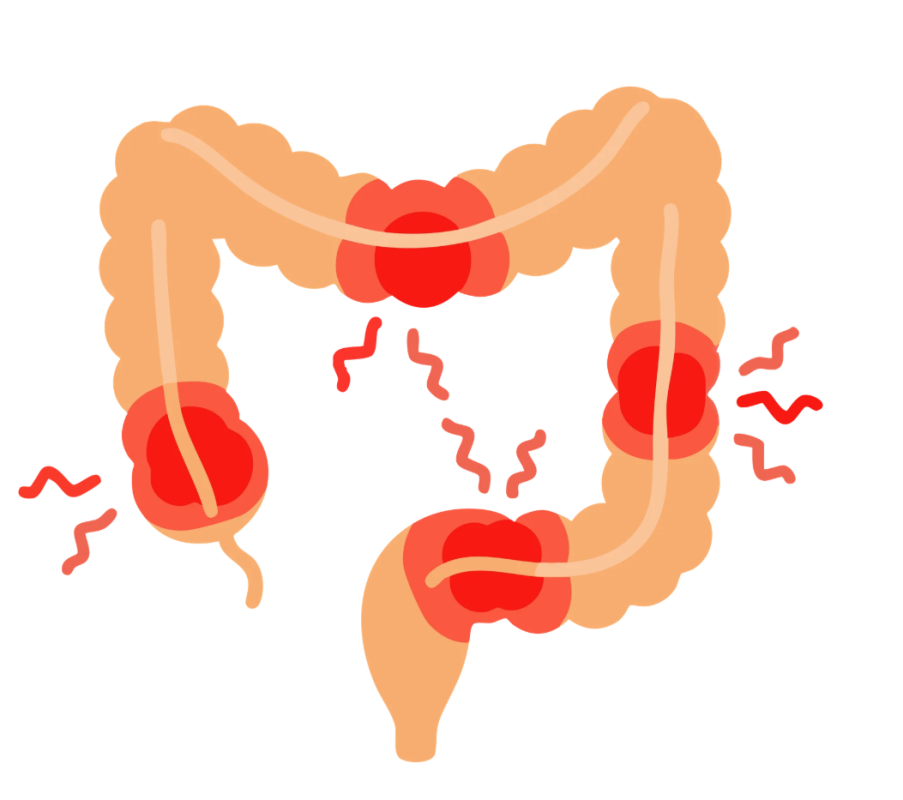
1. Vomiting 2. Weight loss, diarrhea, bloody stools 3. Lethargy, decreased appetite, chronic or intermittent soft stools, mucus or blood in stool may appear
1. Often asymptomatic 2. Intermittent lethargy, weakness, pale gums, poor appetite 3. Severe anemic crisis may rarely occur
1. Skipping or limp in hind leg 2. Bunny-hopping, carrying the limb, reluctance to jump 3. Bent leg posture, abnormal gait, muscle atrophy may occur
1. Screening may detect changes from about 1 year
2. Clinical signs may appear at 2 to 6 years or at any age
1. Moderate
2. The text indicates Bengal breeders commonly screen breeding cats by echocardiogram
1. Vision loss typically begins around 2 years and progresses slowly
1. Low if from tested lines
2. Risk may rise with untested breeding
1. Most often affects middle-aged and older cats
2. GI sensitivity or chronic diarrhea may appear earlier and can flare with diet or stress changes
1. Moderate to high
2. GI sensitivity appears to be a frequent owner concern and IBD may occur in cats of any age
1. Detectable by DNA test from birth
2. Clinical signs may appear in young cats or at any age
1. Low if from tested lines
2. Responsible DNA testing may reduce affected kittens
1. Signs usually appear before 2 years of age
2. Late kittenhood to young adulthood may make it more noticeable
1. Low to moderate
2. The content suggests it is a known structural issue but cats are affected less commonly than dogs

1. This is usually genetic rather than a daily deficiency
2. Taurine lack is mentioned only as a cause of a different heart condition that may look similar

1. This is genetic and not caused by dietary deficiency
1. Folate or vitamin B12 may be low because absorption can be hindered
2. Gut flora imbalance and inappropriate fiber balance may contribute
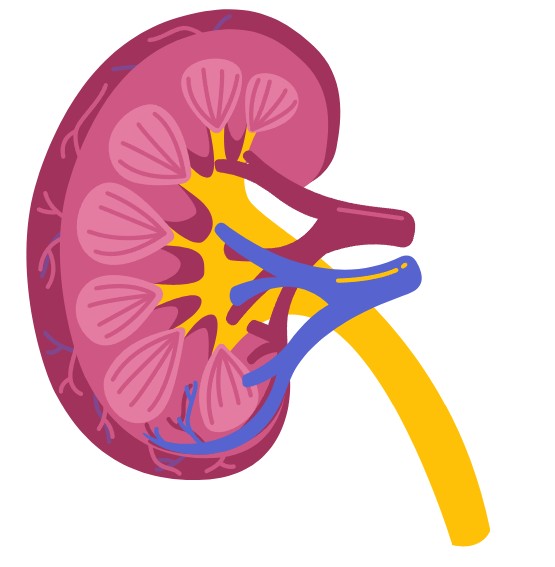
1. This is a genetic enzyme deficiency rather than a dietary lack
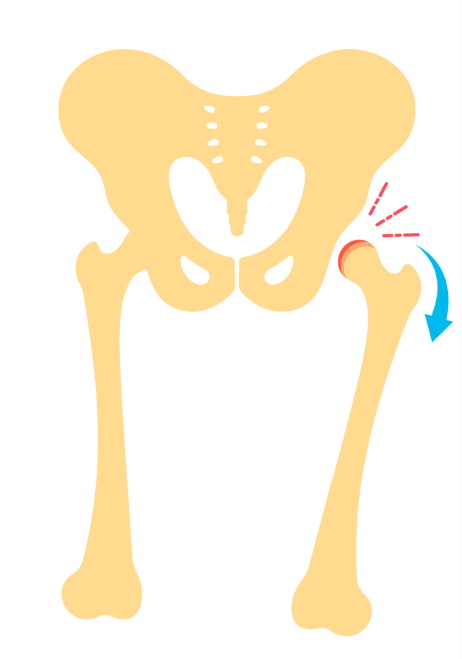
1. This is mainly a structural condition rather than a chemical deficiency
+852 6358 3131
香港中環德輔道中84-86號章記大廈9樓01室
週一到週日,早上10點到下午9點
 +852 9160 8619
 +852 9160 8619