我們的服務
寵物護理服務
獸醫服務
其他
Length range : 28-33 cm
Height range : 20-25cm
Weight range : 3.6-6.8kg
Coat : Shorthair to short-medium / dense / thick / springy / resilient / crimped / coarse wired coat; even whiskers and ear hair may be crimped or bent.
Life expectancy years : 10-16 (depends on health situation)
Colors: white, blue, cream, red, platinum, fawn, chestnut, chinchilla, seal, silver, golden, brown, cameo, bluecream, tortoiseshell, black, tabby, tabby with white, solid, bi-color, tri-color, color point patterns.
Activitity Level : Moderate
Origin: United States
Similar Breeds : American Shorthair
The breed began in upstate New York in 1966 when a wiry-coated red-and-white male kitten later named Council Rock Farm Adam of Hi-Fi appeared in a litter of barn cats. Joan O’Shea acquired him and breeding established that the unusual wire coat was a dominant spontaneous mutation distinct from Rex breeds. CFA accepted the breed in 1967 and granted championship status in 1978.
Gentle
easy-going, placid, loving, affectionate, calm, quiet, intelligent, playful, independent, adaptable, sociable, gentle, relaxed, patient
Needs moderate care with weight control / interactive play / indoor living / occasional bathing if the coat becomes oily / and regular nail / ear / and dental care.
Highly people-oriented but independent enough to be left alone during the day. Usually gentle with children / adaptable with other pets / and suitable for families / singles / and quieter households.
The coat needs relatively little grooming and too much brushing may damage it. Occasional bathing may help reduce shedding and remove grease. Keep nails trimmed / clean ears gently / and maintain regular tooth brushing.
A balanced diet with fresh water daily is important. Weight should be monitored carefully because this sturdy breed can become overweight. Some sources suggest wet food and measured portions may support hydration and condition.
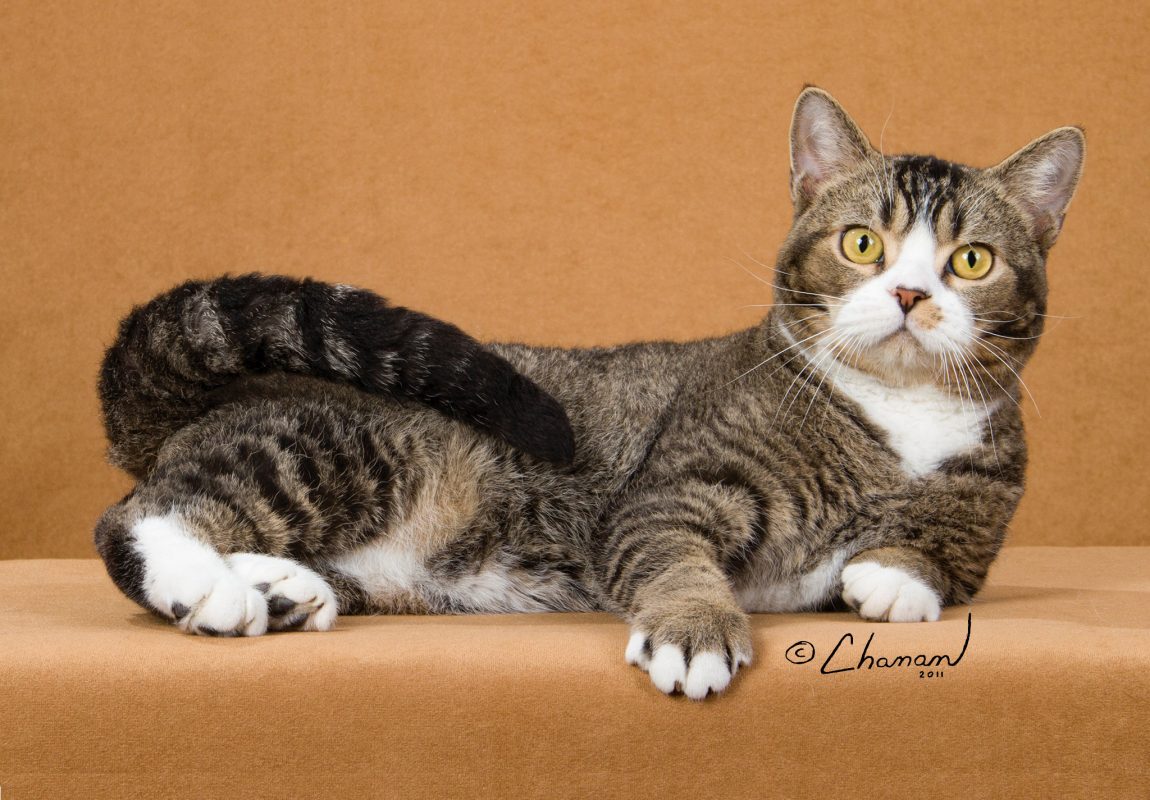
The standard describes a medium-to-large cat with a strong, powerful, well-rounded body; a broad head; prominent cheekbones; a well-developed muzzle and chin; large, rounded eyes; medium ears; and a springy, dense, resilient coat. The coat carries heavy point weighting, and the breed may appear in wired or straight-coated form within the standard.
This breed is considered an American original and the foundation cat Adam helped establish the breed after a spontaneous mutation in upstate New York.
Skin sensitivity and oiliness , Obesity , Dental disease , Hypertrophic cardiomyopathy , Feline lower urinary tract disease
Greasy or oily coat 2. Flaky skin or dandruff 3. Waxy buildup , musty odor , blackheads on chin
Loss of visible waistline 2. Sagging belly or fat pad 3. Ribs hard to feel , reduced activity , jumping difficulty , grooming problems
Halitosis 2. Red , swollen , bleeding gums 3. Tartar , drooling , dropping food , chewing on one side , reluctance to eat , loose teeth
Often no early signs 2. Heart murmur may be first sign 3. Lethargy , rapid breathing , panting , open-mouth breathing , hind limb paralysis from saddle thrombus
Straining to urinate 2. Frequent litter box visits with little output 3. Pain while urinating , blood in urine , inappropriate urination , inability to urinate as emergency
Often becomes noticeable around 1 year when adult coat and oil production are established
Low to moderate 2. many Wirehairs may have no issue but the tendency is recognized
Can begin at 1 to 2 years 2. Often more obvious at 4 to 8 years
Very high 2. It is described as a very common preventable problem
Mild gingivitis may begin around 1 year 2. Many cats over 3 to 4 years may show disease without prevention
Very high.50 to 90 percent of cats older than four years may have dental disease
Can be diagnosed at 1 to 2 years 2. Clinical signs often appear at 5 to 10+ years
Low to moderate 2. CFA says no characteristic breed health problem is recorded but breeders may screen with echocardiogram
Most common at 2 to 6 years
Moderate 2. Risk may rise with indoor living , obesity , and dry-food-heavy routines
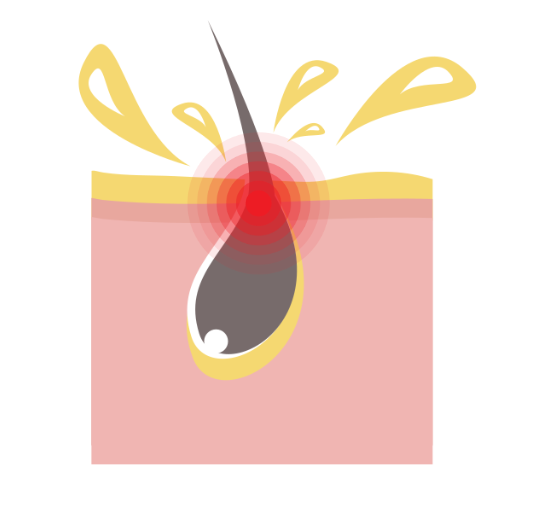
This is mainly oil overproduction rather than deficiency.
An improper omega-6 to omega-3 ratio may worsen skin inflammatio

Mechanical abrasion may be lacking when only soft food is given

this is a genetic disorder.
Taurine deficiency is linked to a different heart condition
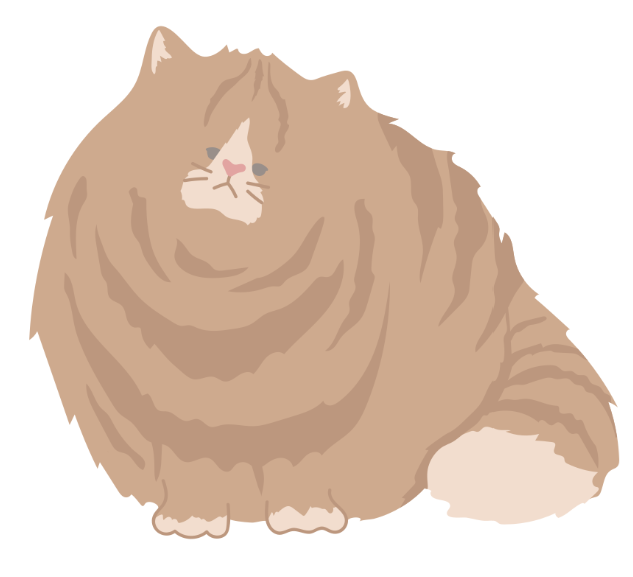
Cess calories
Caloric control and activity may be lacking
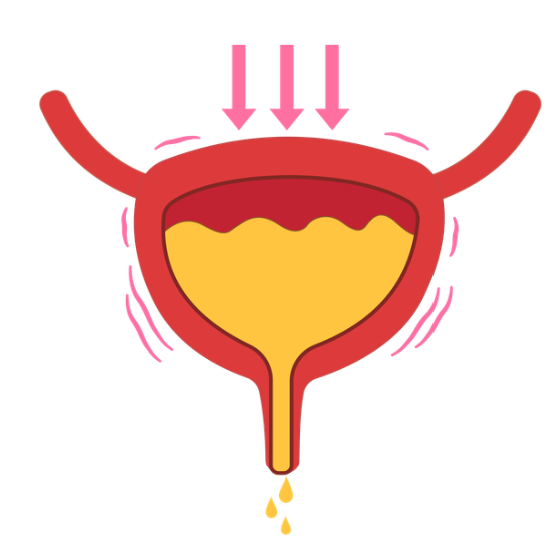
Water and hydration may be lacking
Concentrated urine may irritate the bladder lining and support crystal formation

+852 6358 3131
香港中環德輔道中84-86號章記大廈9樓01室
週一到週日,早上10點到下午9點
 +852 9160 8619
 +852 9160 8619