我們的服務
寵物護理服務
獸醫服務
其他
Length range : 56-64 cm
Height range : 33-41cm
Weight range : 6-9kg
Coat : rough broken coat|hard wire-like topcoat|predominantly white coat|long guard hairs|minimal shedding
Life expectancy years : 12-15
Colors: white|white with brown markings|white with black and tan markings.
Activitity Level : High
Origin: United Kingdom
Similar Breeds : Smooth Fox Terrier|Jack Russell Terrier|Lakeland Terrier
Fox terriers can be traced to at least the 1700s in Britain and were bred to find , flush , and chase foxes and rats. The wire-coated and smooth-coated forms were split into separate standards in the late 1800s. Fox hunters historically carried these dogs in saddlebags and released them to chase foxes into dens. The breed later became widely known as a show dog and gained pop-culture fame through Asta in The Thin Man films.
bold|determined|outgoing|perky|amusing|independent|vocal
lively|alert|enthusiastic|friendly|confident|intelligent|playful|headstrong
daily exercise|lifelong training|mental stimulation|secure yard|regular brushing|coat stripping
friendly with family|usually best with older children|should be introduced slowly to dogs and small pets because of prey drive
Brush every other day or regularly with a pin or slicker brush to prevent tangles and snagging. Hand-stripping or plucking the topcoat several times a year or every couple of months helps maintain correct texture. Periodic baths , weekly ear cleaning , and regular nail trims are also recommended.
Feed a balanced AAFCO-compliant diet appropriate for age and activity level. Puppies under four months benefit from four to five small meals daily while adults usually do well on two or three meals. Keep the dog slim and adjust calories for sport or agility work if needed.

small athletic terrier build|short-backed hunter-horse outline|rough broken wire coat|small drop ears|upright tail|predominantly white body with dark facial markings
The breed standard says the Wire Fox Terrier should be on the tip-toe of expectation at the slightest provocation. Asta from The Thin Man films helped make the breed famous.
Primary Lens Luxation, Congenital Megaesophagus, Atopic Dermatitis, Cataracts, Luxating Patella
1. Sudden ocular pain
2. Excessive tearing
3. Squinting
4. Red or cloudy eye
5. Rapid vision loss may occur if the lens shifts forward.
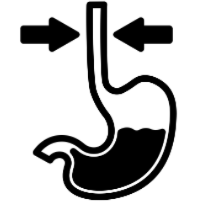
1. Regurgitation of undigested food
2. Persistent coughing
3. Poor weight gain
4. Nasal discharge
5. Fever and aspiration pneumonia may occur.
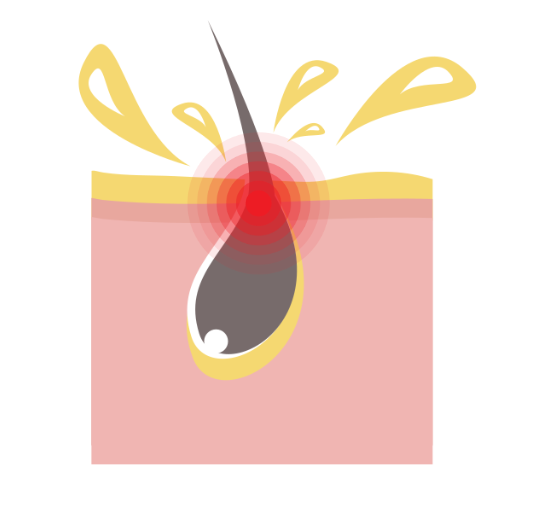
1. Chronic itching
2. Redness around face , paws , axillae and groin
3. Frequent ear infections
4. Face rubbing
5. Dark thickened skin may occur with chronic scratching.
1. Cloudy or bluish-white eye center
2. White spot or streak
3. Bumping into objects
4. Hesitation in dim light
5. Depth perception changes and vision loss may occur.
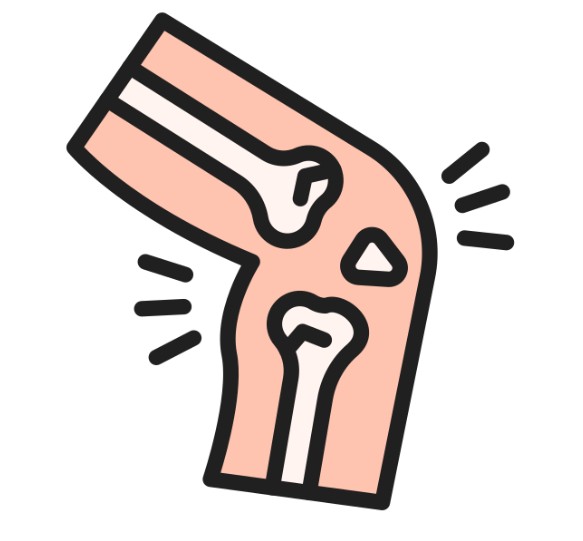
1. Intermittent skipping gait
2. Sudden hopping on three legs
3. Popping sounds in the knee
4. Stiffness
5. Reluctance to jump or climb may occur.
It most commonly develops between 3 and 8 years of age and structural eye changes may be evident before full luxation occurs.
High breed-specific risk is described because terrier breeds are specifically predisposed and Wire Fox Terriers are repeatedly flagged for inherited lens disease.
Age of onset is generally between 6 months and 3 years and supplied external text places typical development between 1 and 4 years.
High breed-specific risk is described because Wire Fox Terriers are listed among predisposed breeds in the supplied dermatology text.
Signs usually become apparent at weaning when puppies start solid food and supplied external text places this around 4 to 8 weeks of age.
Moderate breed-specific risk is described because Wire Haired Fox Terriers are specifically noted as having hereditary megaesophagus.
Juvenile inherited forms may present between 1 and 4 years while other cataracts may appear later in mature or senior dogs.
Moderate to high risk is described because cataracts are specifically listed among common genetic concerns in breed-level health summaries.
It is often first noticed between 4 and 12 months of age although mild cases may not be diagnosed until adulthood.
Moderate risk is described because small-breed dogs are predisposed and related fox terrier lines are among the commonly affected small breeds.
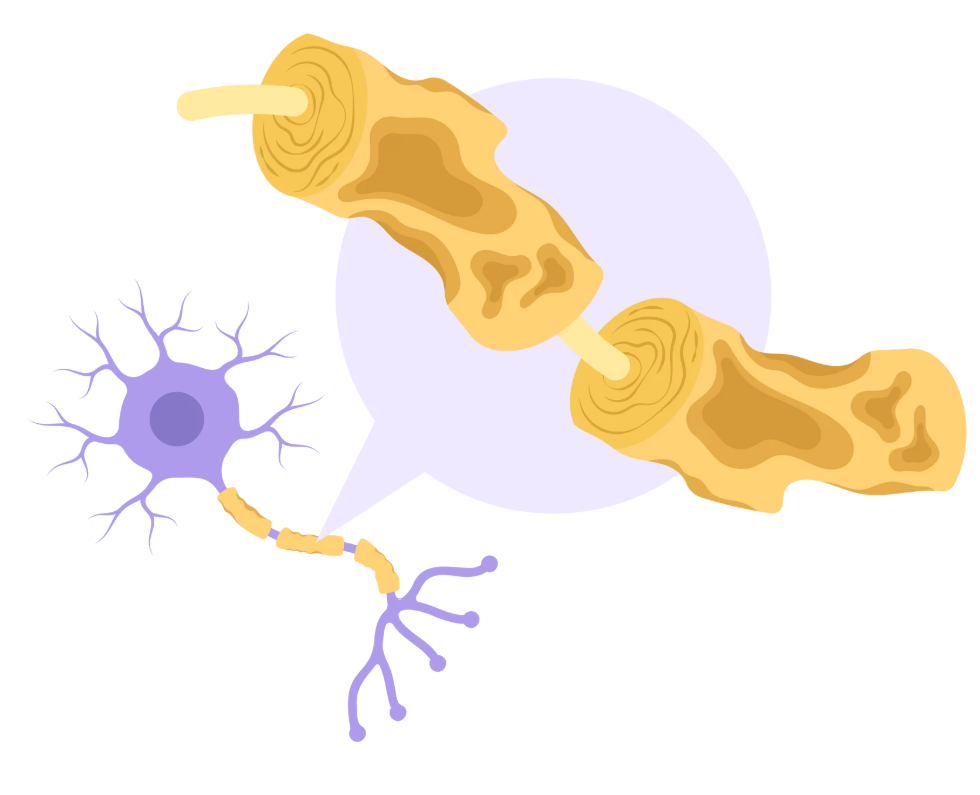
Structural support of the lens is lacking because the zonular fibers weaken and break down over time. This inherited weakness is linked to the ADAMTS17 gene in the supplied text. No nutrient deficiency is established as the direct cause. When lens support is lost the lens can shift and trigger glaucoma or inflammation.

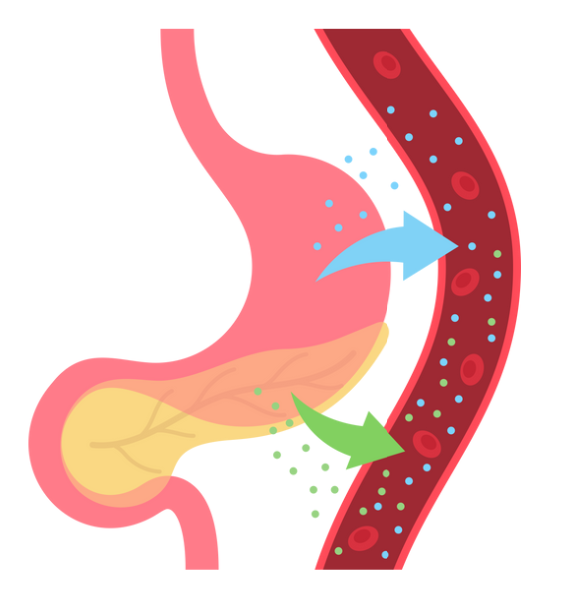
Skin barrier protection is lacking because epidermal barrier defects allow allergens to penetrate more easily. Immune regulation may also be lacking in balance and exaggerated allergic inflammation can follow. No single missing chemical is established because the supplied text describes a hereditary inflammatory disease. These deficits can increase vulnerability to chronic pruritus and recurrent skin or ear infection.

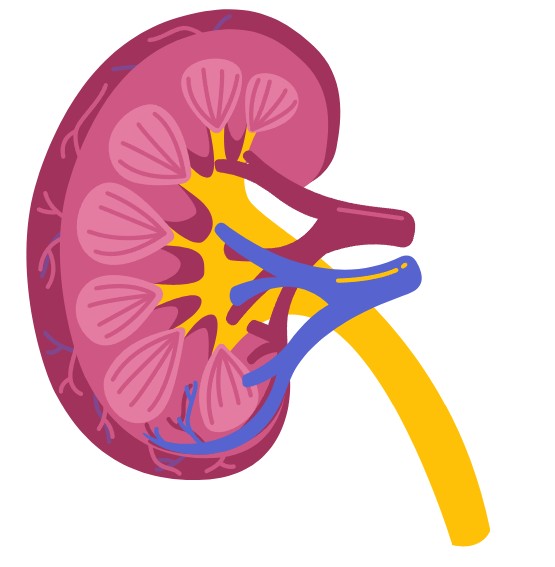
Normal esophageal motility is lacking because nerve-muscle coordination fails and the esophagus loses tone and effective movement. The supplied text describes loss of motility and dilation rather than a simple nutrient deficiency. Food and water can then pool in the esophagus instead of reaching the stomach efficiently. This can make puppies vulnerable to malnutrition and aspiration pneumonia.
Lens transparency is lacking once the crystalline lens becomes opaque. No specific missing nutrient is established as the usual direct cause in the supplied text because hereditary factors , diabetes , trauma and chronic eye disease are described instead. This loss of clarity blocks light from reaching the retina properly. Vision may progressively decline as the opacity expands.
Normal joint alignment is lacking because the kneecap no longer tracks properly in the femoral groove. The supplied text describes abnormal quadriceps alignment and a shallow trochlear groove rather than a nutrient deficiency. This structural instability can lead to intermittent skipping and progressive arthritis. Obesity can worsen severity even though it is not the primary cause.

+852 6358 3131
香港中環德輔道中84-86號章記大廈9樓01室
週一到週日,早上10點到下午9點
 +852 9160 8619
 +852 9160 8619