我們的服務
寵物護理服務
獸醫服務
其他
Length range : 58-79 cm
Height range : 45-56cm
Weight range : 7-18kg
Coat : short fine smooth coat|thin coat|low-shedding|no undercoat
Life expectancy years : 12-15
Colors: fawn|blue|black|brindle|white|various patterns.
Activitity Level : Moderate|High bursts
Origin: United Kingdom
Similar Breeds : Italian Greyhound|Greyhound|Saluki|Basenji|Vizsla
Whippets originated in England during the 18th and 19th centuries and were developed from Greyhounds crossed with smaller terriers for speed , rabbit coursing , racing and hunting small game. They later became popular with working-class families and were brought to the United States by English mill operators in Massachusetts. The breed has long been valued for lure coursing , racing , companionship and elegant athleticism.
calm|sweet|friendly|reserved with strangers|goofy|sensitive|even-tempered
amiable|gentle|affectionate|quiet|dignified|playful|sensitive|loving
daily exercise|secure fenced running area|warm clothing in cold weather|gentle handling|mental stimulation|regular dental and skin checks
people-oriented and affectionate|generally good with children and other dogs when socialized|can become anxious if left alone too long
Whippets are low-maintenance and usually need only weekly or twice-weekly brushing with a soft brush or grooming mitt. Bathe only every couple of months or as needed with gentle dog-safe products. Check thin skin for cuts after activity , clean ears regularly , trim nails , and brush teeth frequently.
Feed a balanced AAFCO-complete diet with high-quality animal protein and moderate fat to support a lean athletic body. Most adults do well on two meals daily and puppies need more frequent meals. Avoid overfeeding and one large meal because deep-chested dogs have bloat risk. Supplements should only be added with veterinary guidance.
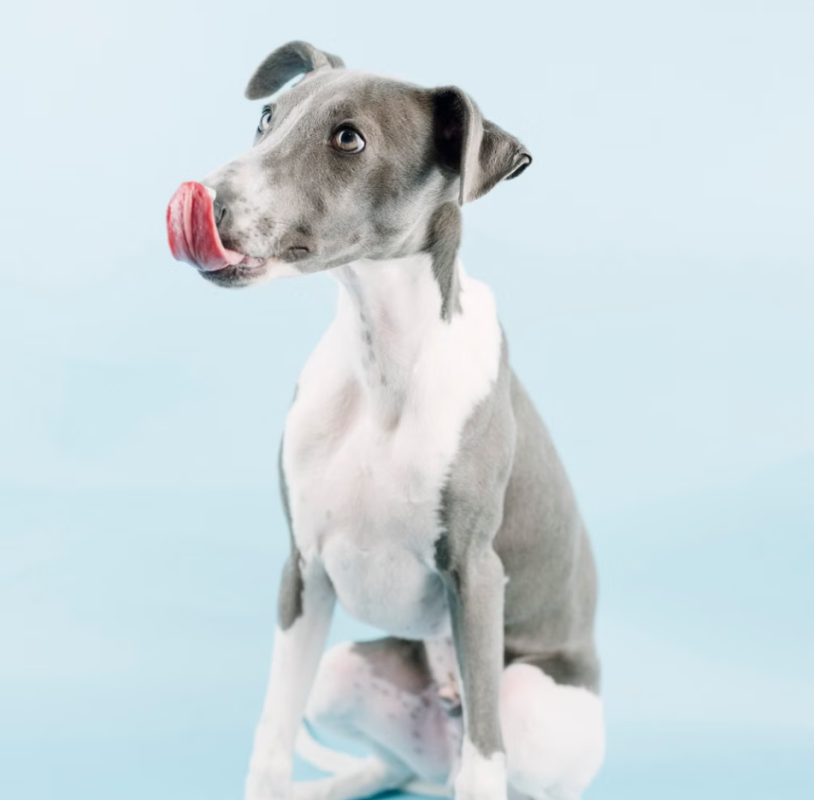
sleek and slim sighthound build|deep chest|long neck|small waist|graceful legs|narrow head|short smooth coat
Whippets can reach about 35 miles per hour and are often called the Poor Man’s Racehorse. Despite their racing ability they are famously quiet couch companions at home.
Mitral Valve Disease, Progressive Retinal Atrophy, Corneal Dystrophy, Alopecia, Anesthetic Sensitivity
1. Heart murmur
2. Exercise intolerance
3. Coughing after rest
4. Rapid or labored breathing
5. Lethargy , weakness or collapse may occur.
1. Night blindness
2. Hesitation in dim light
3. Dilated pupils
4. Increased eye reflectivity
5. Daytime vision loss and clumsiness may occur later.
1. Grayish-white or crystalline corneal opacity
2. White dots or haze in the cornea
3. Vision haze may occur
4. Squinting , redness or discharge may occur if ulceration develops.
1. Symmetrical hair loss on chest , thighs , flank or neck
2. Dry or brittle coat
3. Hyperpigmented exposed skin
4. Secondary skin infections may occur.
1. Prolonged recovery after anesthesia
2. Hypothermia
3. Respiratory depression
4. Disorientation
5. Drug reaction concerns may occur during or after procedures.
It can be triggered at any age whenever sedation or general anesthesia is used during veterinary procedures.
High risk is described in the supplied external text and breed sources note increased anesthetic risk in Whippets and sighthounds.
Early symptoms generally begin around 3 to 5 years of age and supplied external text places typical presentation around 3 to 6 years depending on mutation line.
Moderate risk is described in the supplied external text and Whippets are described as somewhat more likely than other dogs to have PRA.
It is often first visible in young adults and supplied external text places typical onset around 1 to 4 years of age.
Moderate risk is described in the supplied external text and inherited corneal dystrophy is specifically noted in Whippets.
Symptoms typically manifest in young adult dogs and supplied external text places onset around 1 to 3 years of age.
Moderate risk is described in the supplied external text and pattern baldness is specifically noted in both male and female Whippets.
It typically manifests in middle-aged to senior dogs and the supplied breed-matched text places onset commonly around 6 to 10 years of age.
Moderate to high breed-specific risk is described in the supplied external text and Whippets are repeatedly noted as predisposed to age-related valve disease.
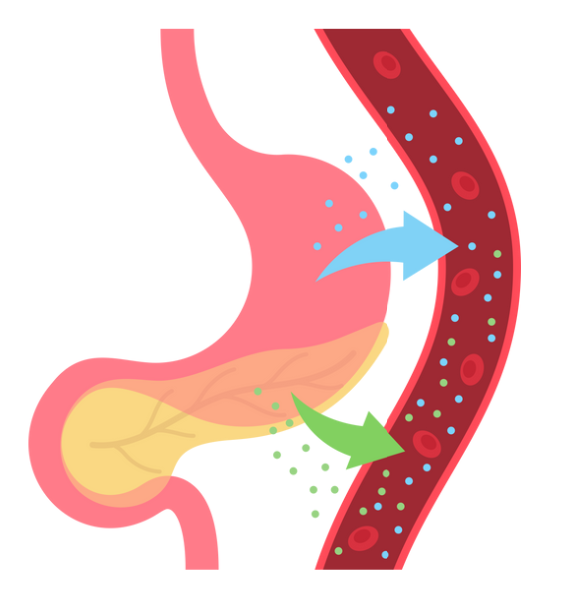
Structural integrity of the mitral valve matrix is lacking as age-related myxomatous degeneration thickens and weakens the valve leaflets. This allows the valve to lose proper closure and blood can leak backward into the left atrium. No specific nutrient deficiency is established as the direct cause in the supplied text. Progressive valvular insufficiency can then strain the heart over time.

Normal corneal clarity is lacking because inherited defects allow lipids , fat droplets , minerals or calcium-related deposits to accumulate within corneal layers. Local regulation of corneal tissue transparency is therefore impaired. No general body-wide deficiency is established because this is described as a primary inherited eye condition. Deposits can make the cornea cloudy and severe cases may become painful if ulceration develops.

Normal retinal photoreceptor function is lacking because inherited mutations cause rods and cones to degenerate. Rod function is lost first in true PRA which reduces night vision before day vision declines. No single missing nutrient is established as the cause in the supplied text. This cellular loss can progress to complete blindness.
Normal hair follicle support and pigment distribution may be lacking because genetic follicular dysplasia or localized follicle atrophy affects the coat. The supplied text also notes that true pattern baldness is not due to a primary systemic deficiency once treatable causes are ruled out. No single nutrient lack is established as the root cause. Hair can thin progressively and exposed skin may become dry or vulnerable to secondary infection.
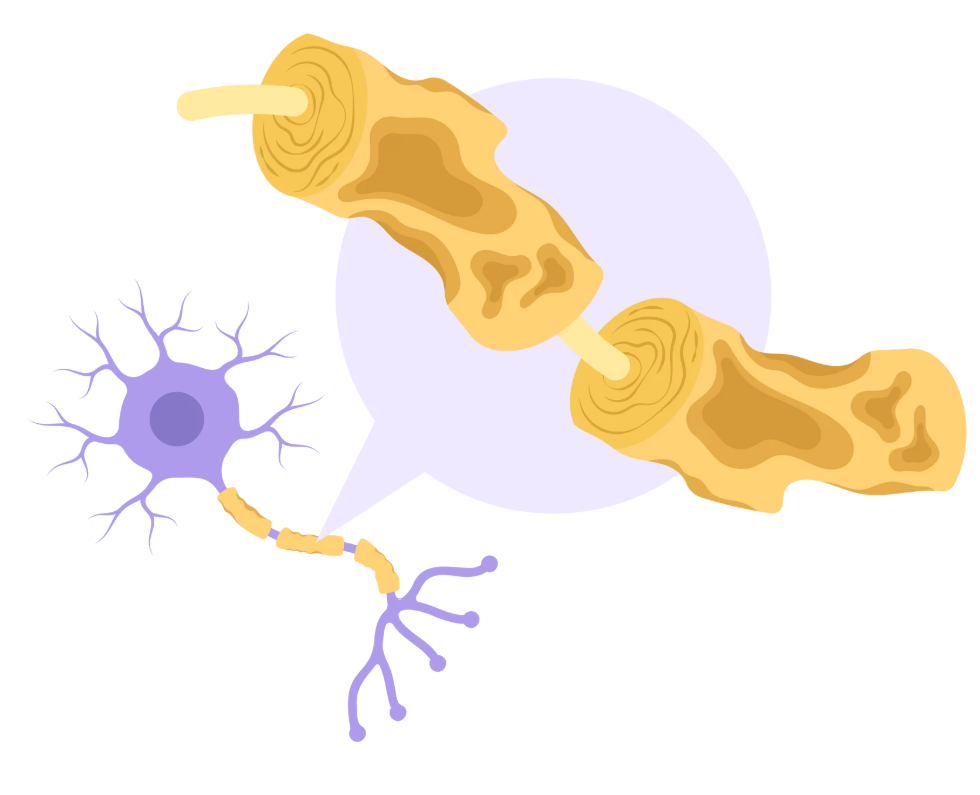
Protective fat reserves are lacking because Whippets have extremely low body fat and a very lean body conformation. Drug handling capacity may also be reduced for specific agents because altered metabolism is described in the supplied external text. This can increase vulnerability to prolonged recovery , hypothermia and respiratory depression during anesthesia. Deficient cytochrome P450 handling for certain agents is described as part of the vulnerability.

+852 6358 3131
香港中環德輔道中84-86號章記大廈9樓01室
週一到週日,早上10點到下午9點
 +852 9160 8619
 +852 9160 8619