我們的服務
寵物護理服務
獸醫服務
其他
Length range : 76-84 cm
Height range : 53-58cm
Weight range : 25-36kg
Coat : dense curly medium-length coat|coarse slightly greasy feel|water-repellent|undercoat|smoother on head and legs
Life expectancy years : 12-14
Colors: black|brown|black and white|brown and white|roan|white markings|ticked markings.
Activitity Level : High
Origin: Netherlands
Similar Breeds : Nova Scotia Duck Tolling Retriever|Portuguese Water Dog|Otterhound
The breed comes from Friesland in the Netherlands and has a long working history dating back at least several centuries , with some sources tracing it to the 17th century or earlier landrace development. It was used for otter hunting , waterfowl work , guarding farms and yards , and retrieving on land and in water. Its population declined sharply during World War II but dedicated breeders preserved the breed and later kennel recognition followed in the Dutch system , FCI and UKC.
calm|even-tempered|watchful|strong-willed|reserved|devoted
loyal|independent|alert|sensitive|persistent|family-oriented|reserved with strangers
regular exercise|mental stimulation|clear leadership|early socialization|regular brushing|ear drying after water work
very bonded to owner and family|good with children when socialized|can live with other dogs and pets if introduced early|reserved with strangers
Brush once or twice weekly and more thoroughly during heavy shed periods. Bathe only a few times a year because frequent bathing can strip protective oils and make the coat woolly or brittle. Keep ears clean and dry , trim nails , and provide regular dental care.
Feed a balanced high-quality diet with appropriate calories and nutrients and avoid overfeeding because the breed can become overweight. Commercial or home-prepared with veterinary supervision diets may be used if nutritionally balanced. Proper growth nutrition is important because dietary excesses may worsen orthopedic risk.
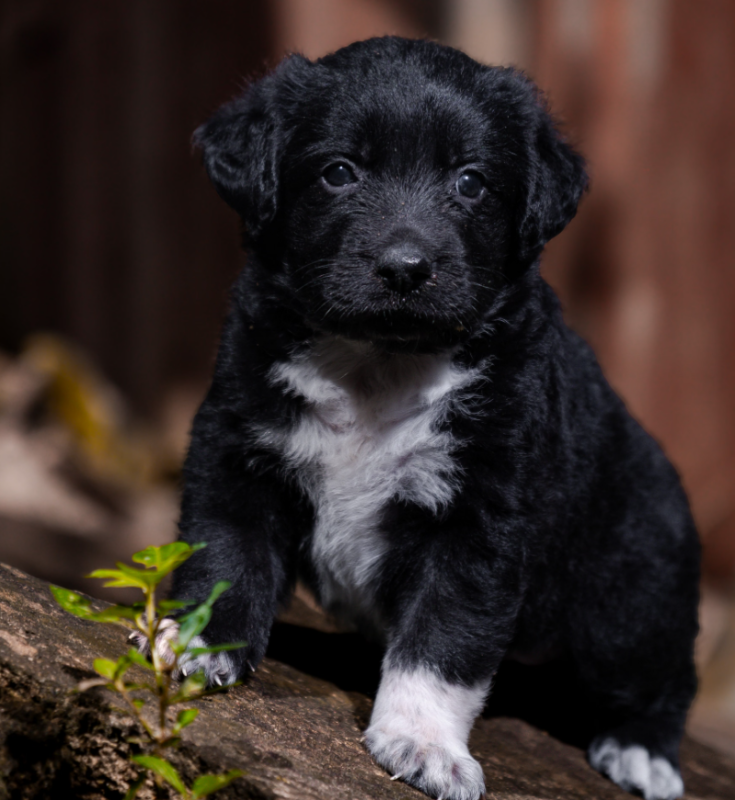
medium-to-large robust working build|broad head|straight powerful muzzle|low-set flat-hanging ears|oval slightly slanted eyes|long bushy tail curling over back|tight curls and water-repellent coat
Wetterhoun means water dog. The breed is almost never seen apart from its owner and was preserved from near-extinction after World War II. Its greasy curly coat helps repel water during rigorous fieldwork.
Canine Hip Dysplasia, Otitis Externa, Cataracts, Atopic Dermatitis, Severe Combined Immunodeficiency (SCID)
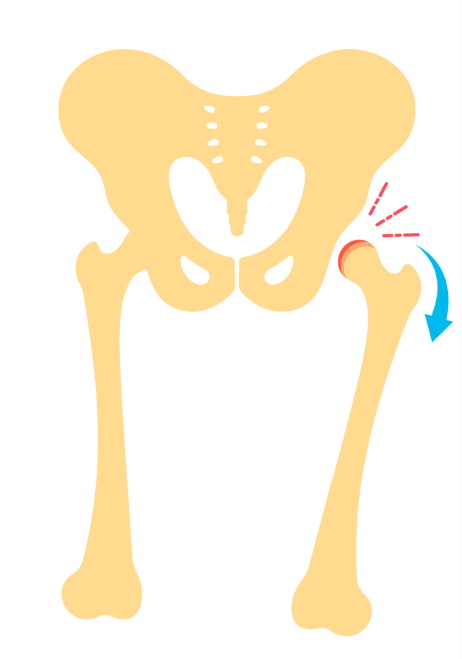
1. Bunny-hopping gait
2. Difficulty or stiffness when rising
3. Reluctance to climb stairs or run
4. Hind-limb muscle atrophy
5. Hip pain may occur.
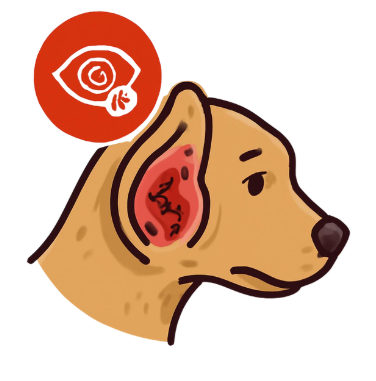
1. Head shaking
2. Ear scratching
3. Dark or purulent discharge
4. Ear odor
5. Redness , swelling and pain when ears are touched may occur.
1. Cloudy or bluish-white pupil appearance
2. Bumping into objects
3. Hesitation in dim light
4. Depth perception changes and progressive vision loss may occur.
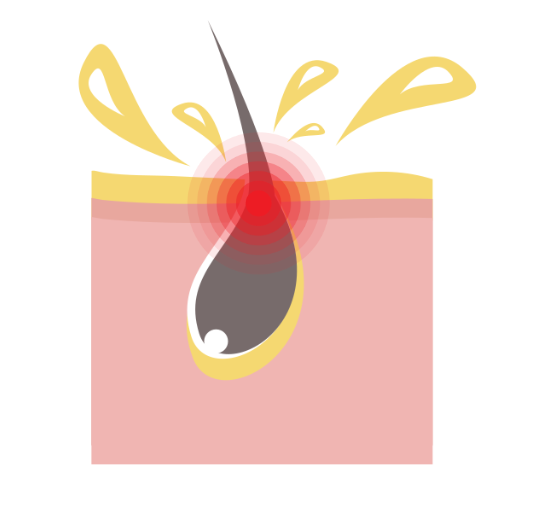
1. Chronic itching
2. Redness around face , paws , axillae and groin
3. Face rubbing
4. Frequent ear infections
5. Dark thickened skin may occur with chronic scratching.
1. Recurrent bacterial , viral or fungal infections
2. Persistent diarrhea
3. Stunted growth
4. Respiratory infections
5. Lethargy , skin eye or ear infections and failure to thrive may occur.
1. It can present during rapid growth in puppies from about 4 to 12 months or later as osteoarthritis in mature dogs.
1. High breed-specific risk is described in the supplied Wetterhoun health text and hip dysplasia is repeatedly flagged as a key concern.
1. It can occur at any age and may follow swimming , water retrieval work or humid conditions.
1. High risk is described for water dogs with pendulous ears , heavy coat and repeated moisture exposure and ear infections are one of the most common canine infections generally.
1. Juvenile inherited forms may present from 1 to 4 years of age while age-related forms may appear in mature to senior dogs.
1. Moderate risk is described in the supplied breed-matched health text and hereditary cataracts can occur in predisposed dogs.
1. It typically develops between 1 and 4 years of age and some atopic dogs show onset under 3 years.
1. Moderate risk is described in the supplied breed-matched health text and CAD can affect up to 15% of the global dog population.
1. Symptoms usually manifest very early in puppyhood between 4 and 8 weeks as maternal antibody protection fades and death may occur within months.
1. Low to moderate breed-specific risk is described in the supplied matched health text and controlled breeding is said to keep the threat under better control.
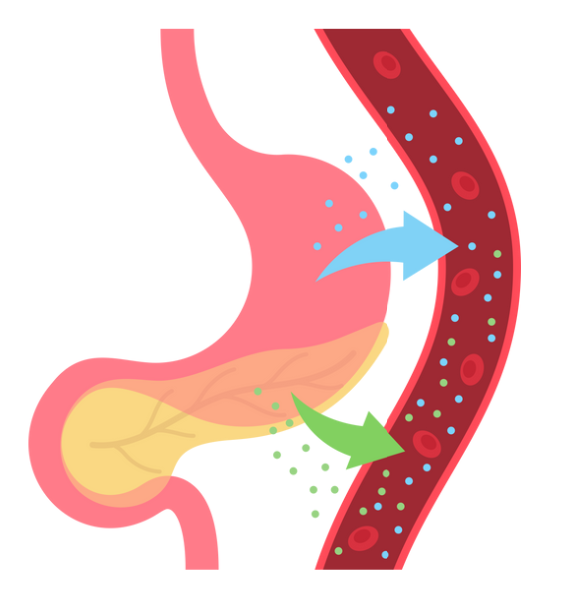
1. Protective cartilage support is effectively lacking as the hip forms incorrectly and becomes lax.
2. Loss of cartilage and joint stability can follow and osteoarthritis may develop.
3. No single chemical deficiency is established but improper calcium and calorie balance may worsen expression in predisposed dogs.
4. Rapid growth can increase vulnerability in immature joints.

1. Lens transparency is lacking once the crystalline lens becomes opaque.
2. No single missing chemical is established as the direct cause in the supplied text although oxidative damage and inherited lens fiber defects are implicated.
3. This loss of transparency blocks light from reaching the retina properly.
4. Vision may progressively worsen as opacity advances.

1. No specific chemical deficiency is described.
2. A healthy protective barrier in the ear canal may be compromised by trapped moisture , poor air circulation and allergic skin changes.
3. This can favor bacterial or yeast overgrowth in the ear canal.
4. Repeated moisture therefore makes the ear more vulnerable to inflammation and infection.
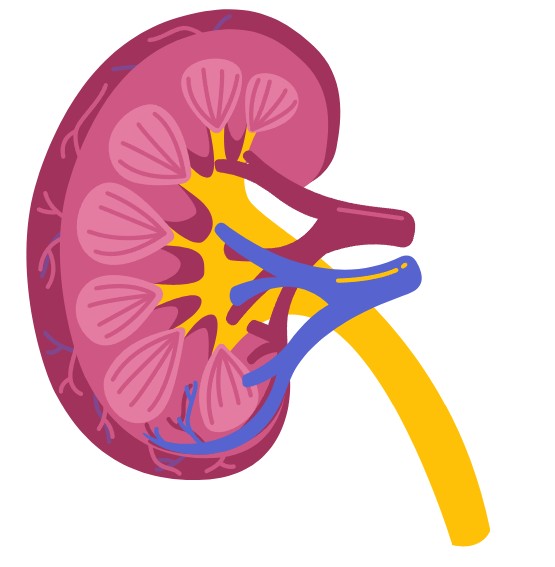
1. Skin barrier protection is lacking because epidermal barrier defects allow allergens to penetrate more easily.
2. Immune regulation may also be lacking in balance and exaggerated inflammatory responses can follow.
3. No reliable single biomarker is lacking for diagnosis because CAD is diagnosed clinically.
4. These deficits can make the dog more vulnerable to chronic pruritus and recurrent skin or ear problems.
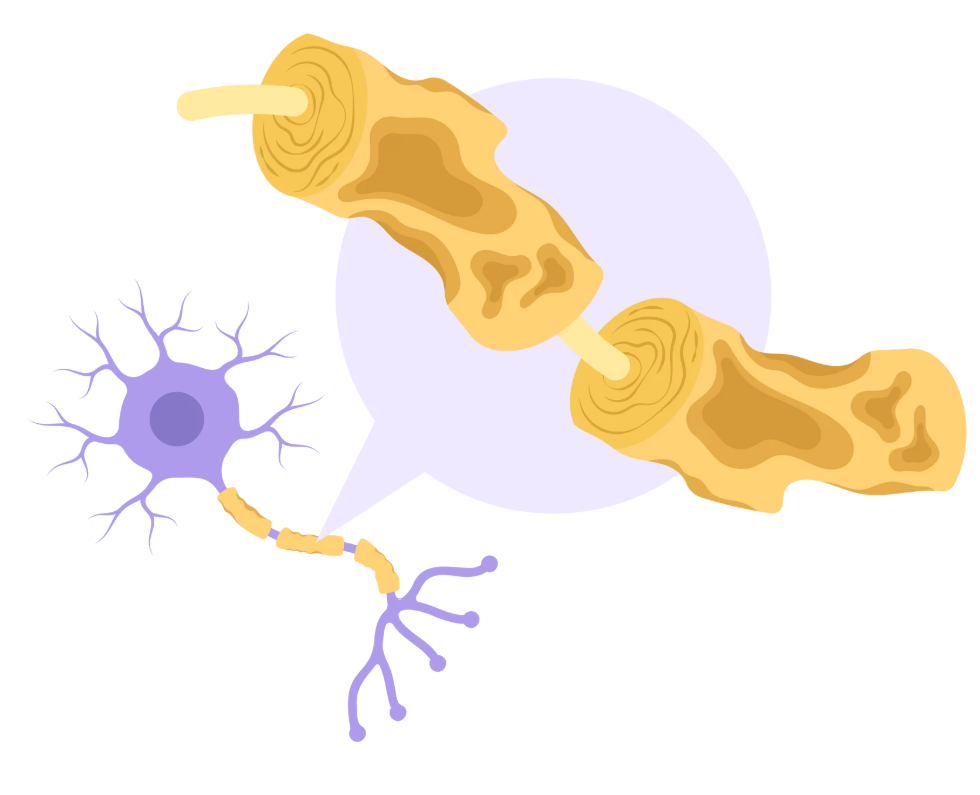
1. Functional T and B lymphocytes are lacking or severely dysfunctional because inherited mutations disrupt lymphocyte development.
2. Adaptive immune defense is therefore absent or profoundly impaired.
3. This can leave puppies susceptible to recurrent bacterial , viral and fungal infections once maternal antibody protection fades.
4. Residual supplements cannot replace the missing immune function.

+852 6358 3131
香港中環德輔道中84-86號章記大廈9樓01室
週一到週日,早上10點到下午9點
 +852 9160 8619
 +852 9160 8619