我們的服務
寵物護理服務
獸醫服務
其他
Length range : 86-102 cm
Height range : 58-69cm
Weight range : 25-40kg
Coat : short|sleek|smooth|flat coat
Life expectancy years : 10-13
Colors: silver-gray|blue-gray|gray.
Activitity Level : High
Origin: Germany
Similar Breeds : German Shorthaired Pointer|Vizsla|Labrador Retriever
The breed emerged in 19th century Germany where nobles developed it for exceptional tracking ability , speed , courage and durability as a hunting dog. It later arrived in the United States in the late 1920s and became popular as both a hunter and companion.
even-tempered|alert|loyal|hard-working|intelligent|docile
friendly|fearless|obedient|loyal|intelligent|hard-working|alert
at least two hours of daily exercise|large secure outdoor space|mental stimulation|consistent training|close companionship|routine health screening
forms strong bonds with family|good with people of all ages when socialized|may take time to warm to new people and dogs|not ideal with smaller pets due to prey drive|prone to separation anxiety if left alone too long
The short coat is low maintenance and usually needs only weekly brushing. Bathing about once a month or as needed is usually sufficient. Monthly ear cleaning and basic eye care are helpful because floppy ears can trap debris.
Feed a complete high-quality age-appropriate diet preferably formulated for large breeds. Split food into multiple meals and avoid strenuous exercise one to two hours before or after eating to help lower GDV risk. Avoid raised bowls and monitor treats so they do not exceed about 10 percent of daily calories.
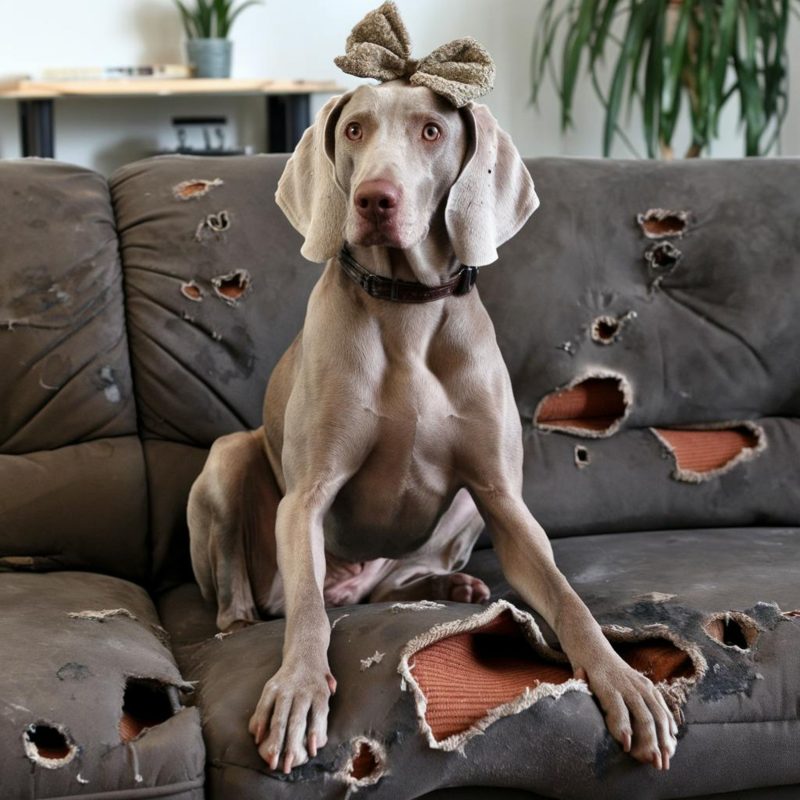
large sporting dog|streamlined athletic balanced build|short sleek coat|large rectangular drop ears|pale eyes|protective home watchdog qualities
Weimaraners are nicknamed Gray Ghosts because of their silver coat and pale eyes. They are also strong swimmers with webbed feet and were originally kept secret in Germany until the 1930s.
Hypothyroidism, Hypertrophic Osteodystrophy, Hyperuricosuria, Canine Hip Dysplasia, Gastric Dilatation-Volvulus
1. Lethargy , mental dullness , weight gain , heat-seeking or cold intolerance , dry brittle coat , excessive shedding , symmetrical nonpruritic alopecia , chronic skin or ear infections and slow hair regrowth may occur.
1. Persistent limping , severe lameness , pain when legs are touched , warm legs , swelling near joints , fever , fatigue , reduced appetite , reluctance to walk play or stand may occur.
1. Frequent attempts to urinate , straining , blood in urine , dribbling urine , abdominal pain and life-threatening urinary blockage in males may occur.
1. Difficulty getting up , bunny-hopping , limping or stiffness in back legs , reduced activity , unwillingness to jump , decreased hindlimb muscle mass , swaying hips and shifting weight to forelimbs may occur.
1. Distress , restlessness , excessive salivation , trouble breathing , retching without producing anything , swollen abdomen , collapse , reluctance to walk and shock may occur.
It can occur acutely at any time and is seen most often in middle-aged to older dogs.
High risk is associated with deep-chested conformation and Weimaraners are listed among predisposed breeds.
It is most common in dogs 4 to 10 years old.
Signs may appear as early as a few months old or not until later in life depending on severity and arthritis development.
Large-breed predisposition is described and breed-matched text characterizes this as high breed-specific risk.
Clinical signs may appear in young to middle-aged adulthood and provided breed-matched text places many cases around 2 to 6 years.
Moderate to high breed-specific risk is described and the SLC2A9 mutation has been found in Weimaraners.
It can be diagnosed as early as a few months old and occurs most frequently in dogs less than 1 year old.
Moderate breed-specific risk is described and Weimaraners are listed among prone large and giant breeds.
Moderate risk is described in the provided breed-matched health text.
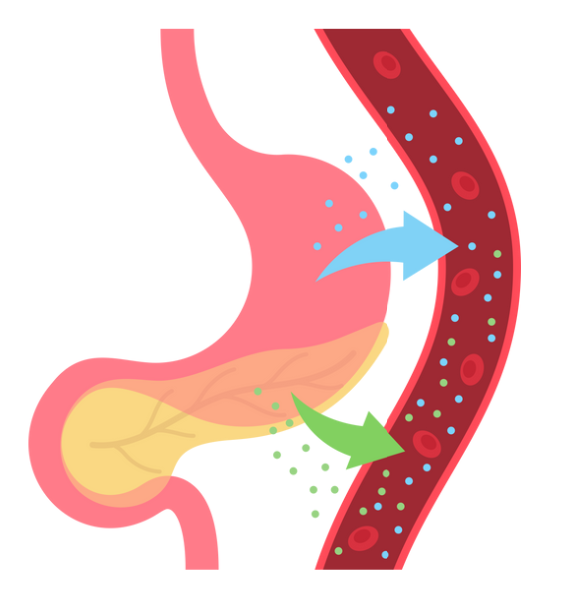
1. Thyroid hormone is lacking. This slows metabolism and can contribute to lethargy , weight gain and coat or skin changes. The common underlying processes include lymphocytic thyroiditis and idiopathic thyroid gland atrophy that reduce functional thyroid tissue.

1. Normal urate transport is lacking because the SLC2A9 transporter is altered by mutation. This reduces proper handling of uric acid and can allow excessive uric acid to accumulate in urine. The condition reflects a transport and purine metabolism defect rather than a simple dietary deficiency. No specific lacking nutrient is identified.

1. Proper hardening of new bone in the metaphysis is lacking because blood flow disruption affects the growth-plate region. The provided texts describe a developmental disorder rather than a specific chemical deficiency. Nutritional imbalance may contribute in some puppies but no single missing compound is established as the direct cause.
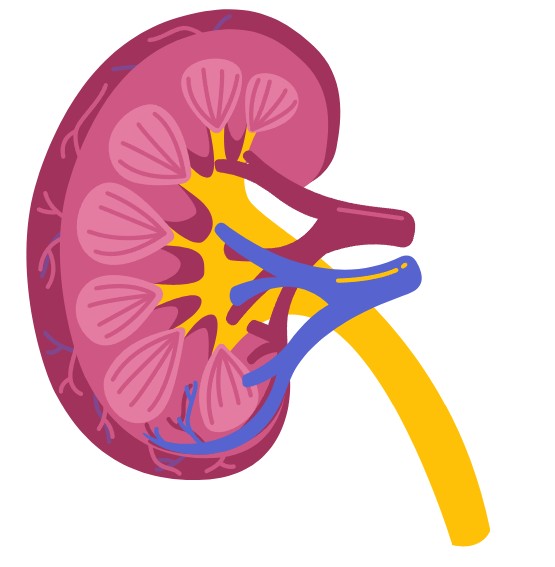
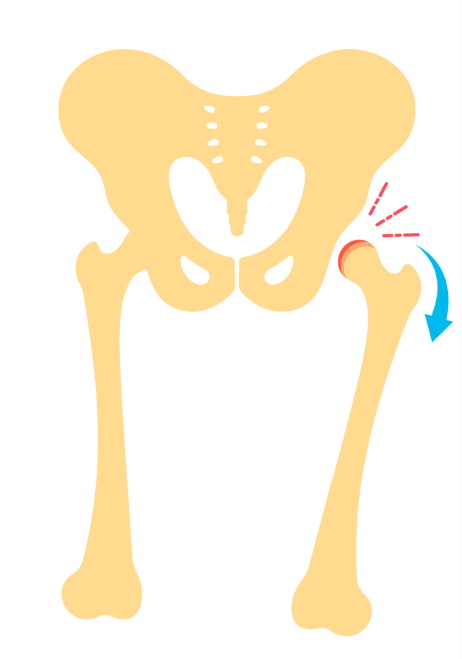
1. Normal hip joint congruity and stability are lacking because the hip forms incorrectly and remains lax. This can lead to cartilage loss , bony remodeling and osteoarthritis over time. Genetics is primary and environmental influences such as nutrition and growth rate can modify severity.
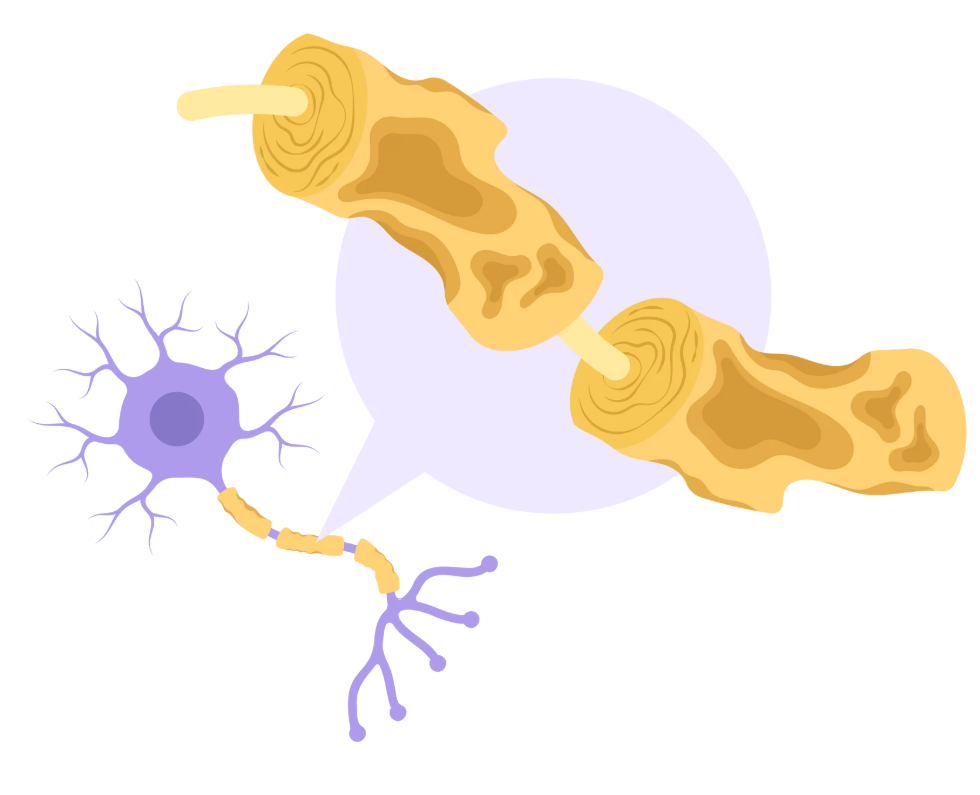
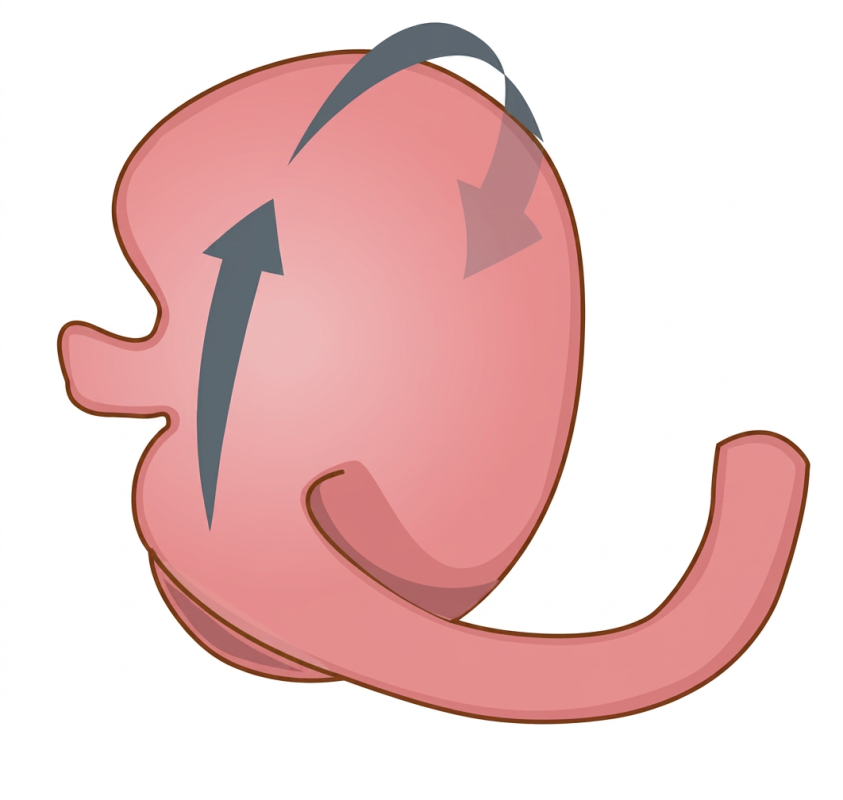
1. No specific missing chemical is described in the provided texts. The disorder is linked to deep-chested anatomy , gas accumulation , twisting and impaired circulation rather than a deficiency state.

1. Diagnosis may require serum total T4 , free T4 and TSH assessment because low T4 alone is inadequate. Lifelong daily oral levothyroxine may be used and serum T4 monitoring may help guide treatment response.
1. Symptom management may include dog-safe NSAIDs , exercise restriction , diet review and more intensive supportive care during severe episodes. Steroids might be used in some episodes and added treatment may be needed if fever , diarrhea or pneumonia occur.
1. DNA testing may identify affected dogs and carriers because this is an autosomal recessive inherited disease. Management may include diet and urinary care under veterinary supervision and breeding affected lines is not recommended.
1. Management may include maintaining a healthy body weight , low-impact exercise such as walking and swimming , NSAIDs , other pain relievers , physical therapy and selected surgical procedures including FHO , THR , JPS or TPO depending on age and severity.
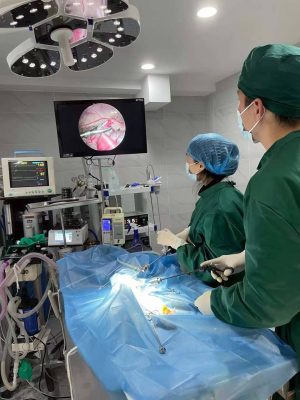
1. This is an immediate emergency that may require rapid decompression , shock treatment with intravenous fluids and urgent surgery. Gastropexy may be used to help prevent future twisting and dogs with a first-degree relative that developed GDV should not be used for breeding. Ask professional vets for detailed information.
1. Omega-3 fatty acids can,might be helpful for skin and coat support.
2. Omega-6 fatty acids can,might be helpful for dermal support.
3. Zinc can,might be helpful for coat quality support.
4. B-complex vitamins can,might be helpful for skin support.
1. No supplement is clearly established as standard corrective therapy in the provided primary source.
1. No supplement is clearly established in the provided primary source beyond supportive hydration strategies.
1. Glucosamine can,might be helpful for cartilage support.
2. Chondroitin can,might be helpful for joint support.
3. MSM can,might be helpful for joint support.
4. Omega-3 fatty acids can,might be helpful for reducing inflammation.
1. No supplement is clearly established as preventive treatment in the provided primary source.
+852 6358 3131
香港中環德輔道中84-86號章記大廈9樓01室
週一到週日,早上10點到下午9點
 +852 9160 8619
 +852 9160 8619