我們的服務
寵物護理服務
獸醫服務
其他
Length range : 30-41 cm
Height range : 24-28cm
Weight range : 3-4kg
Coat : Dense|curly|single-layer coat that grows continuously
Life expectancy years : 10-18
Colors: apricot|black|blue|brown|cream|red|silver|silver beige|white|cafe au lait|gray|parti-colored.
Activitity Level : Medium
Origin: Germany|France|United States
Similar Breeds : Miniature Poodle|Standard Poodle|Maltese|Bichon Frise|Maltipoo
The Poodle originated as a water-retrieving hunting dog in Germany and later became strongly associated with France. Smaller Poodles were developed from the Standard Poodle for people wanting the same intelligence and style in a smaller dog , with circus and companion roles helping shape the Toy variety. Supplied texts state the Toy Poodle was developed in the United States in the 1900s and smaller versions became formally distinguished by size in the early 20th century.
confident|alert|amusing|gentle|friendly|people-oriented
intelligent|loyal|lively|social|eager to please|affectionate|self-confident
daily grooming or frequent brushing|professional grooming every 4 to 6 weeks|daily companionship|mental stimulation|measured feeding|gentle handling
bonds closely with family|likes to be included in family activities|may dislike being left alone|generally good with children and other pets when socialized and handled gently
The coat mats easily and usually needs daily brushing unless kept very short. Most Toy Poodles need professional grooming every 4 to 6 weeks , regular bathing about every 2 to 4 weeks or monthly , nail trims every few weeks , daily eye wiping for tear staining tendency and ear care with trimmed ear hair and regular checks for infection. Teeth should be brushed daily.
Feed a complete AAFCO-compliant diet matched to age and small size. Adults often do well on 2 to 3 meals daily while puppies usually need 3 to 4 small meals to help maintain blood sugar. Small-breed kibble and portion control are important and omega-3 support may be considered with veterinary guidance.
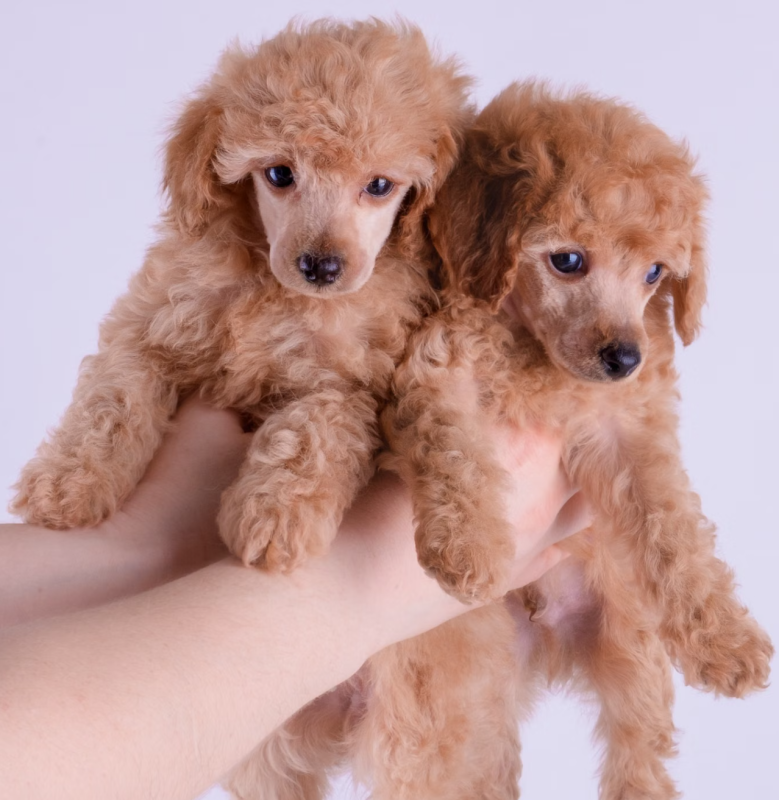
Toy group|elegant squarely built companion with a long muzzle , long neck , folded ears close to the head , dark oval eyes and a dense curly coat
Poodles were once water retrievers and the famous clipped style began as a practical trim to reduce drag while protecting vital areas. Toy Poodles also became popular performers because of their intelligence and eagerness to learn.
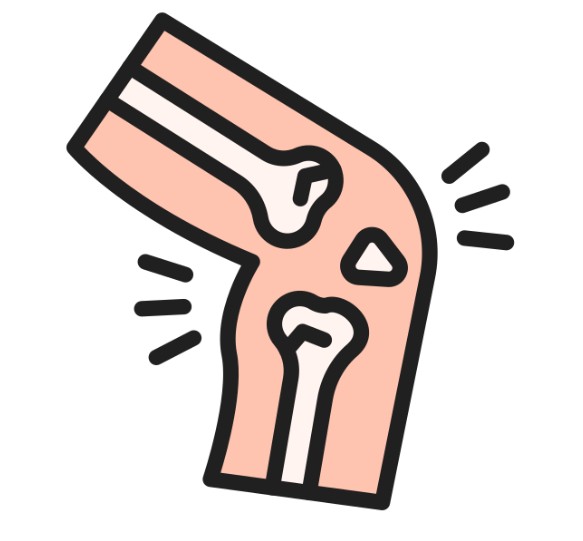
Patellar Luxation, Progressive Retinal Atrophy, Legg-Calve-Perthes Disease, Periodontal Disease, Tracheal Collapse
1. Skipping or hopping gait
2. Sudden hind leg lift
3. Intermittent lameness
4. Bowlegged stance or awkward gait in severe cases
5. Cracking sounds or discomfort may occur.
1. Night blindness
2. Hesitation in dim light
3. Dilated pupils
4. Reflective eye shine
5. Clumsiness , cataracts or bumping into objects may occur.
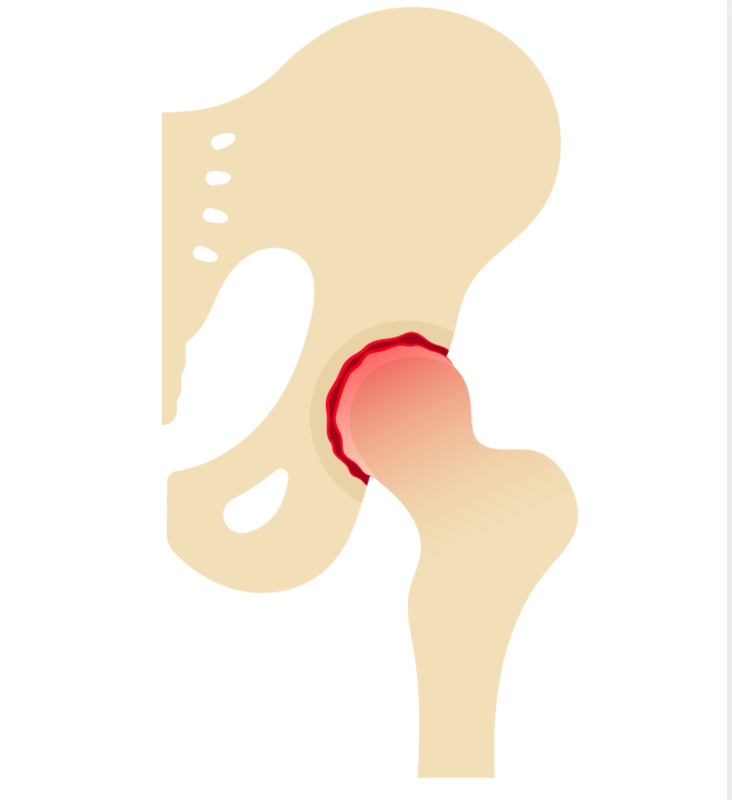
1. Progressive hind-leg lameness
2. Hip pain
3. Irritability
4. Licking or chewing at the hip
5. Muscle wasting , crying out or refusal to bear weight may occur.
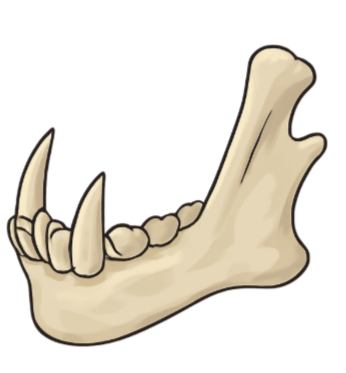
1. Bad breath
2. Red or bleeding gums
3. Tartar buildup
4. Loose or missing teeth
5. Drooling , reduced appetite or facial swelling may occur.
1. Dry goose-honk cough
2. Retching or gagging
3. Exercise intolerance
4. Rapid or difficult breathing
5. Blue gums or fainting may occur in severe cases.
Predisposition is present from birth and signs may appear in young dogs or become more noticeable within the first few years of life.
Extremely high risk is described in supplied external breed text and Toy Poodles are specifically listed among predisposed breeds.
Plaque can begin in puppyhood and significant tartar or gingivitis may be present by about 2 years if home care is limited.
Very high lifetime likelihood may occur in small breeds because crowding and plaque buildup make dental disease especially common.
Signs can begin in young adulthood but are often more problematic in middle-aged or older dogs.
High risk may be present because Toy Poodles are named among the small breeds most at risk and signs often worsen with age.
This disease usually becomes evident in young growing dogs between about 4 and 12 months and many diagnoses occur around 5 to 8 months.
Moderate risk may be present because toy and small breeds including Poodles are repeatedly identified as commonly affected.
Vision loss usually becomes apparent during adulthood and many cases place around 3 to 8 years of age.
Genetic risk may be meaningful in Poodles and dogs with two copies of the common PRCD variant will almost always develop adult vision loss.
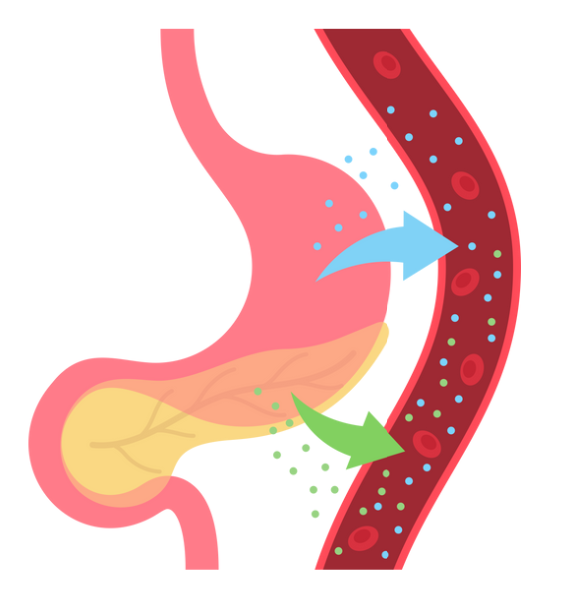
A normal deep femoral groove and stable kneecap tracking are lacking because of inherited knee conformation. No vitamin or mineral deficiency is identified as the direct cause in the provided texts. Joint instability can then contribute to pain and arthritis over time. Obesity can worsen strain but is not described as the primary cause.

Adequate blood supply to the head and neck of the femur is lacking during the disease process. Bone tissue can then die and the femoral head may flatten and deform under weight bearing. No nutrient deficiency is identified as the direct cause in the provided texts. The result can be severe pain and rapid arthritis.

Functional retinal rods and cones are gradually lacking because inherited degeneration causes these cells to break down. Rod function for night vision is usually lost first in true PRA. No dietary deficiency is identified as the direct cause in the provided texts. Progressive cell loss eventually leads to blindness.
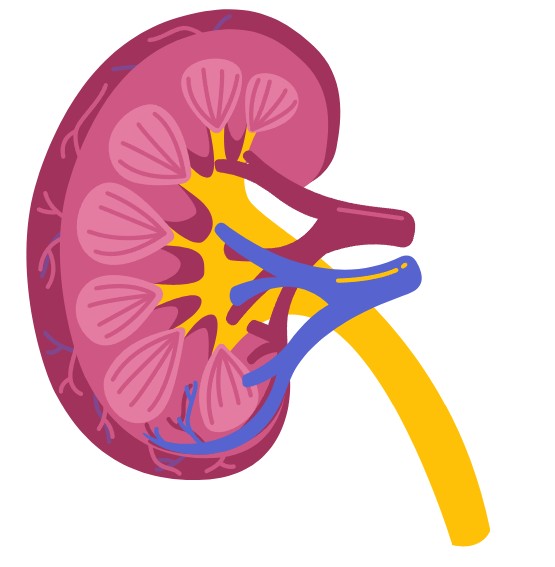
Healthy periodontal support is lacking as plaque , tartar and gingivitis allow bacterial damage beneath the gumline. Bone and ligament support around the teeth may then break down. No chemical deficiency is identified as the direct cause in the provided texts. Crowding in the small jaw increases vulnerability to plaque retention.
Normal rigidity of the tracheal cartilage rings is lacking because the airway support structure weakens and flattens. This can reduce the airway opening and make breathing more difficult. No nutrient deficiency is identified as the direct cause in the provided texts. Extra body weight and irritants can worsen the vulnerability.

+852 6358 3131
香港中環德輔道中84-86號章記大廈9樓01室
週一到週日,早上10點到下午9點
 +852 9160 8619
 +852 9160 8619