我們的服務
寵物護理服務
獸醫服務
其他
Length range : 99-122 cm
Height range : 64-81cm
Weight range : 41-77kg
Coat : Short , smooth , hard , dense
Life expectancy years : 10-12
Colors: red|fawn|yellow|black|brindle|white patches on chest and legs.
Activitity Level : Moderate
Origin: Japan
Similar Breeds : Bullmastiff|Mastiff|Great Dane
The Tosa originated in Japan and takes its name from its original breeding place. It emerged from the Shikoku-ken crossed with Western breeds including Bulldogs , Mastiffs , German Pointers and Great Danes to create a powerful fighting dog. Although it has a sad dog-fighting past in Japan it is now more often kept as a companion and watchdog.
calm|quiet|obedient|vigilant|protective
patient|composed|bold|courageous|tranquil|quiet|obedient|loyal|protective|affectionate|intelligent
large enclosed yard|daily exercise|mental stimulation|consistent socialization|obedience work|dental and nail care
forms strong bonds with family|can do well with children when trained and supervised|reserved with strangers|generally does not tolerate other household pets well
The Tosa has a short coat that needs modest upkeep. Regular nail trimming and dental care are important and the breed may drool. Routine brushing and basic coat care are usually sufficient.
Feed an appropriate diet for a giant breed and avoid excessive weight gain that can worsen joint stress. Proper calorie balance is important during growth and adulthood. Fresh water and portion control should be maintained.
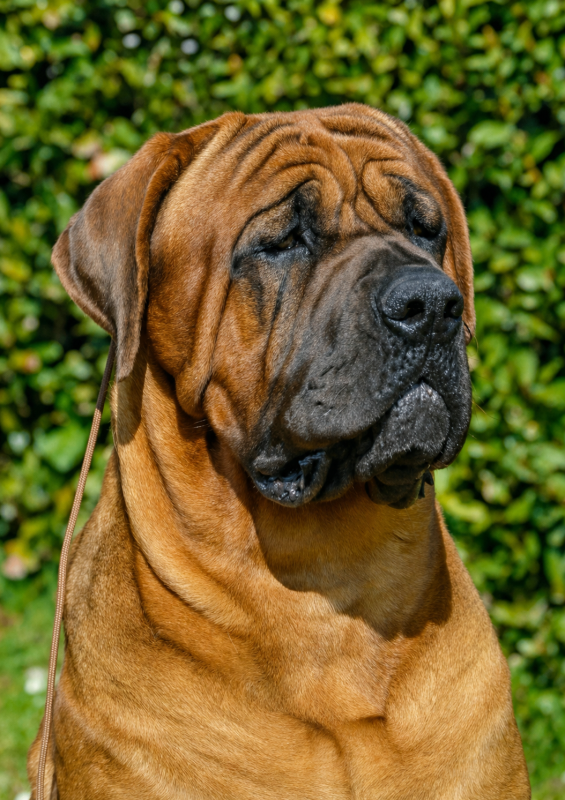
The Tosa (or Tosa Inu) is a massive, majestic mastiff-type dog originating from Japan. The breed by its powerful build, calm dignity, and distinct physical proportions
The Tosa is also known as the Japanese Mastiff , Tosa-Ken and Tosa Inu. In Japan it has been described as the sumo wrestler of the dog world.
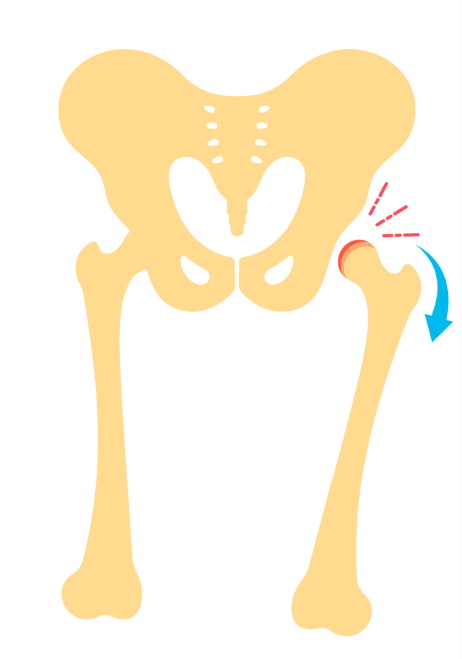
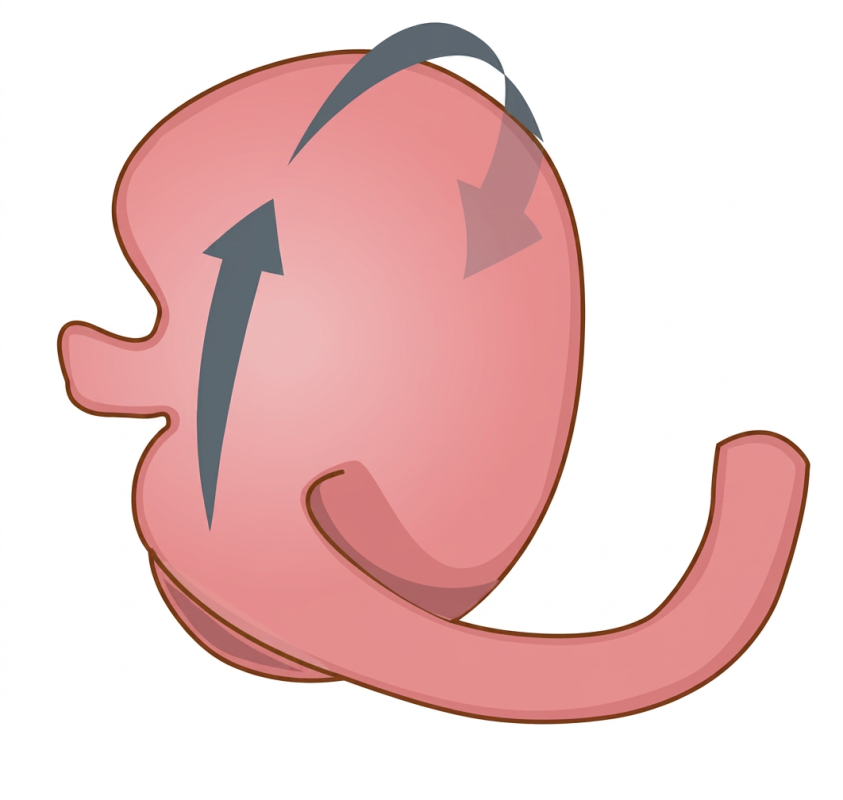
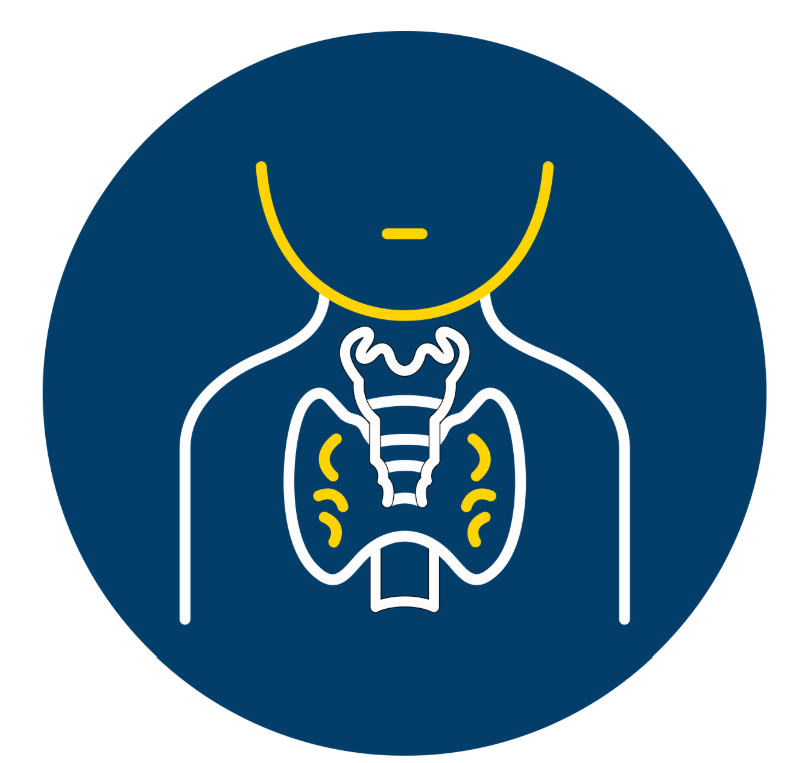
Hip Dysplasia, Gastric Dilatation-Volvulus, Elbow Dysplasia, Entropion, Hypothyroidism
1. Bunny-hopping gait
2. Difficulty or stiffness when rising
3. Reluctance to climb stairs or run
4. Hind-limb muscle atrophy
5. Hip pain or limping may occur.
1. Unproductive retching or dry heaving
2. Restlessness
3. Excessive salivation
4. Abdominal distension
5. Pale gums , breathing trouble or collapse may occur.
1. Forelimb lameness
2. Stiff gait after resting
3. Paws may turn outward
4. Swollen or stiff elbows
5. Decreased range of motion or pain on extension may occur.
1. Excessive tearing
2. Squinting or holding the eye shut
3. Eye redness
4. Mucoid discharge
5. Corneal cloudiness , rubbing or repeat eye infections may occur.
1. Weight gain
2. Lethargy
3. Mental dullness
4. Symmetrical non-itchy hair loss
5. Dry coat , cold intolerance or recurrent skin and ear infections may occur.
Signs may appear as early as a few months old during growth or later in adulthood as osteoarthritis develops.
High breed-specific risk may be present because giant body size and heavy structure can increase orthopedic stress.
It can occur acutely at any age and is reported more often around or after meals with higher incidence in adult to senior deep-chested giant dogs.
High risk may be present because large deep-chested conformation increases susceptibility.
It typically presents during rapid growth in young large dogs and may appear between 4 and 10 months of age.
High breed-specific risk may be present because developmental elbow disease is associated with rapidly growing large dogs.
Primary entropion typically develops in dogs up to 2 years of age and signs may become apparent in young growing dogs as head structure matures.
Moderate to high risk may be present because loose facial skin and eyelid conformation can predispose affected dogs.
It generally affects middle-aged dogs and commonly emerges around 3 to 8 years of age.
Moderate risk may be present because canine hypothyroidism is a common endocrine disorder in middle-aged dogs.
Normal hip joint congruity is lacking because the coxofemoral joint forms incorrectly and laxity develops. No chemical deficiency is identified as the direct cause in the provided texts. Cartilage support then deteriorates and secondary osteoarthritis can develop. Rapid weight gain and improper calcium or calorie balance can worsen expression in predisposed dogs.

Normal elbow joint congruity is lacking because developmental bone and cartilage alignment fails. No chemical deficiency is identified as the direct cause in the provided texts. Abnormal load distribution then erodes cartilage and promotes osteoarthritis. Heritable asynchronous growth between the radius and ulna can drive the problem.

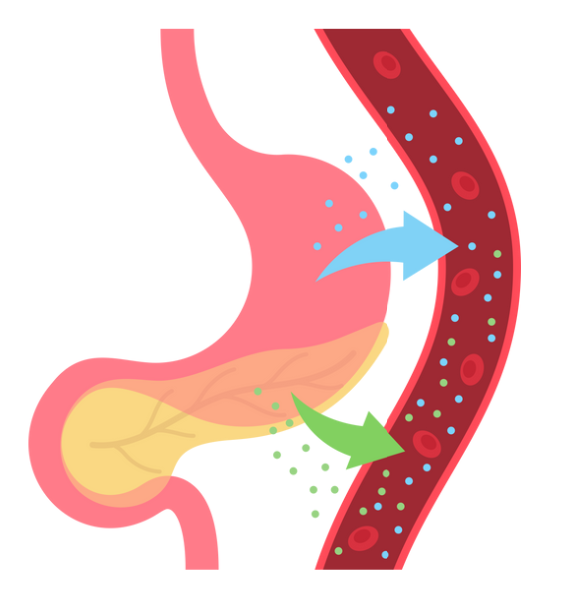
Normal gastric stability is lacking in a deep narrow chest once the stomach dilates and twists. No nutrient or chemical deficiency is identified as the direct cause in the provided texts. Blood flow and oxygen delivery can become inadequate and shock may develop rapidly. Rapid eating , gulping air and heavy activity around meals can increase vulnerability.
Proper eyelid support is lacking when loose skin or facial conformation allows the eyelid margin to roll inward. No nutrient or chemical deficiency is identified as the direct cause in the provided texts. Hair then rubs the cornea and can lead to pain , ulcers and scarring. Chronic friction can increase risk of vision impairment if treatment is delayed.
Thyroid hormone is lacking because lymphocytic thyroiditis or idiopathic atrophy progressively destroys functional thyroid tissue. Reduced thyroid hormone lowers metabolic activity across the body. Skin and coat quality may worsen as hormone deficiency persists. Associated cold intolerance and lethargy may develop as metabolism slows.

+852 6358 3131
香港中環德輔道中84-86號章記大廈9樓01室
週一到週日,早上10點到下午9點
 +852 9160 8619
 +852 9160 8619