我們的服務
寵物護理服務
獸醫服務
其他
Length range : 84-102 cm
Height range : 58-71cm
Weight range : 27-50kg
Coat : Thick dense double coat
Life expectancy years : 10-14
Colors: mainly white with patches of other colors.
Activitity Level : Moderate
Origin: Croatia|Bosnia-Herzegovina
Similar Breeds : Sarplaninac|Great Pyrenees|Anatolian Shepherd Dog
The Tornjak is a traditional livestock guardian breed developed in Croatia and Bosnia-Herzegovina. It has long been used to protect livestock and property and is recognized for steady working ability and strong guardian instincts.
steady|friendly with family|courageous|obedient|intelligent|self-confident
friendly|courageous|obedient|intelligent|dignified|self-confident|devoted|calm
clear boundaries|consistent leadership|early and ongoing socialization|joint support through lean body condition|regular exercise|guardian-appropriate management
devoted to master and immediate household|suspicious of strangers|protective of home and property|needs experienced handling and regular guidance around new people
The Tornjak has a dense double coat that needs regular brushing with extra attention to abundant neck and thigh feathering. Routine coat care helps manage shedding and keep the coat clean and functional.
Proper nutrition is important to control growth during puppyhood and maintain a lean healthy body condition throughout life. Large-breed appropriate feeding and weight management may help reduce stress on hips and elbows.
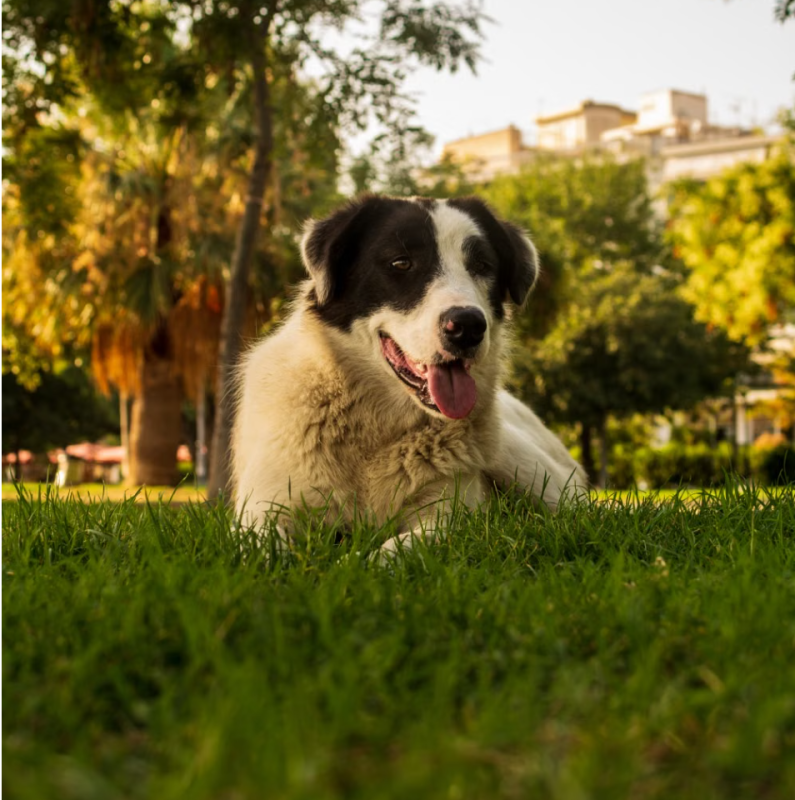
The Tornjak is a large, powerful, and well-proportioned mountain livestock guardian dog originating from Bosnia and Herzegovina and Croatia. They stand roughly 23 to 28 inches tall and feature a heavy double coat.
The Tornjak is known for being impossible to bribe while guarding property and remains very calm and affectionate with its own people.
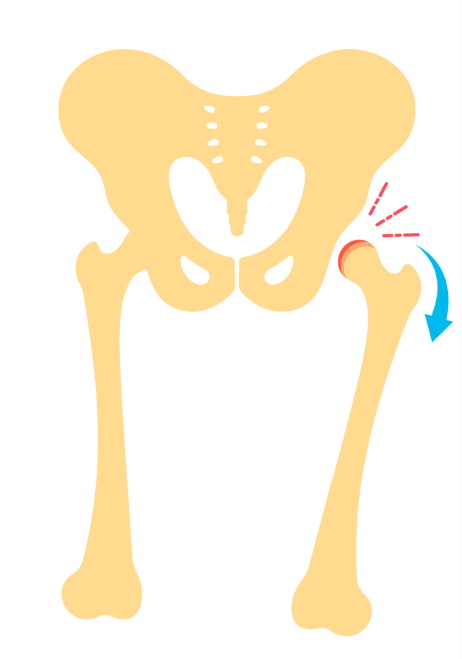
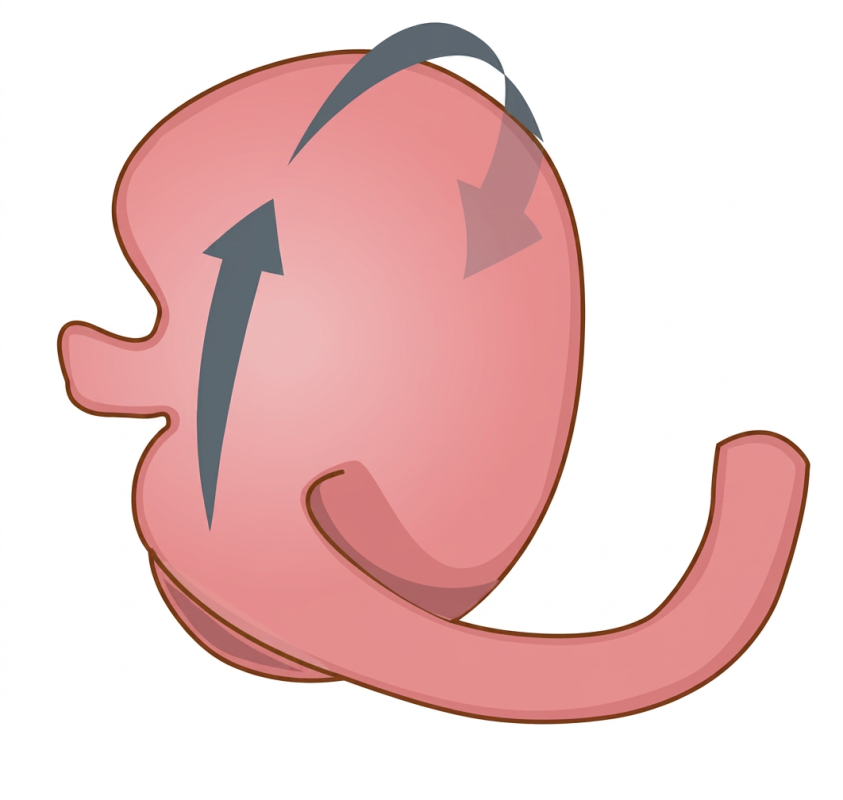
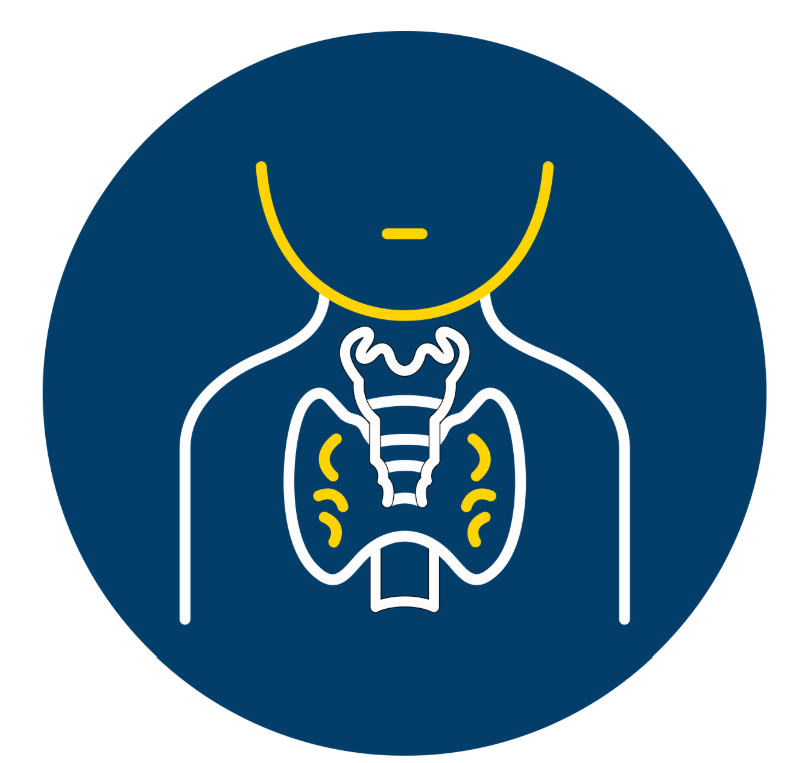
Hip Dysplasia, Elbow Dysplasia, Gastric Dilatation-Volvulus, Hypothyroidism, Entropion
1. Difficulty getting up
2. Bunny-hopping gait
3. Limping or stiffness in back legs
4. Reduced activity or reluctance to jump
5. Swaying hips or hindlimb muscle loss may occur.
1. Front-leg lameness
2. Stiff gait after rest
3. Elbows turning outward or paws rotating inward
4. Reduced elbow range of motion
5. Joint crackling , swelling or pain after exercise may occur.
1. Restlessness or pacing
2. Unproductive retching
3. Excessive salivation
4. Distended or tight painful abdomen
5. Trouble breathing , collapse or shock may occur.
1. Lethargy
2. Weight gain
3. Exercise intolerance
4. Dry coat or hair thinning
5. Mental dullness , cold seeking or recurrent skin issues may occur.
1. Squinting
2. Tearing
3. Red irritated eye
4. Eye discharge
5. Corneal ulceration , rubbing at the eyes or cloudiness may occur.
Signs may appear as early as a few months of age or later in life as osteoarthritis develops. Rapid-growth external health text places onset around 4 to 12 months in some large puppies.
High breed-specific risk may be present because Tornjaks are large guardian dogs and breed sources identify this as a recognized concern.
It typically presents during growth in young large-breed dogs and external health text places onset around 4 to 10 months of age.
Moderate to high risk may be present because large breeds are vulnerable and Tornjak health guidance lists elbow dysplasia as a concern.
It can occur acutely at any age and often appears shortly after eating a large meal although it may happen at other times as well.
Moderate to high risk may be present because large , deep-chested dogs are predisposed and Tornjak health sources specifically warn of bloat risk.
It is most common in middle-aged dogs and commonly develops between about 4 and 10 years of age.
Moderate risk may be present because it is a common endocrine disorder in dogs although it is not described as a signature breed problem in the core breed pages.
Congenital cases may be present early and signs can develop as the dog grows. External health text places symptoms around 6 to 18 months of age in growing dogs.
Moderate risk may be present only in a broad conformational sense from the external matched text and not from Tornjak-specific source pages.
Normal hip joint conformity is lacking because the coxofemoral joint forms incorrectly and develops laxity. No specific nutrient deficiency is identified as the direct cause in the provided texts. Cartilage support then deteriorates over time and osteoarthritis develops. Rapid growth , overfeeding and excess weight can worsen vulnerability.

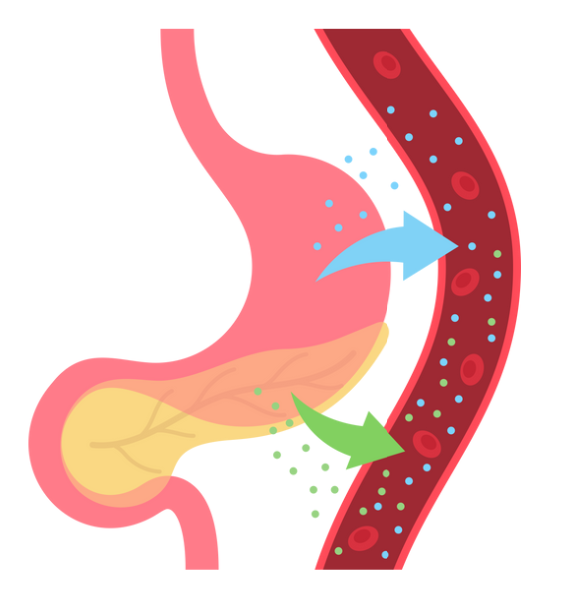
Normal gastric positioning stability is lacking in predisposed large deep-chested dogs when the stomach dilates and twists. No specific chemical deficiency is identified as the direct cause in the provided texts. Blood and oxygen delivery can become inadequate as major abdominal vessels are compressed. Anxiety , rapid eating and activity around meals can increase susceptibility.

Normal congruity of the elbow joint is lacking because developmental abnormalities alter how the radius , ulna and humerus fit together. No specific nutrient deficiency is identified as the direct cause in the provided texts. Abnormal weight distribution increases cartilage wear and promotes arthritis. Rapid growth in young large dogs can increase expression of the problem.
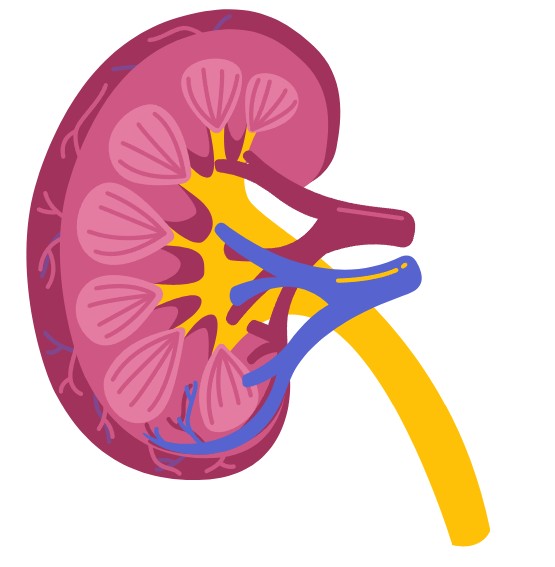
Thyroid hormone is lacking. In most canine cases the deficiency results from destruction of the thyroid gland and more than 95 percent of clinical canine cases are primary. Reduced thyroid hormone slows metabolic activity and contributes to lethargy , weight gain and coat changes. Multiple organ systems can be affected.
Proper outward support of the eyelid margin is lacking when eyelid conformation rolls inward against the cornea. No nutrient or chemical deficiency is identified as the direct cause in the provided texts. The inward roll increases friction from eyelashes and surrounding hair. Ongoing corneal irritation can lead to ulceration and vision risk.

+852 6358 3131
香港中環德輔道中84-86號章記大廈9樓01室
週一到週日,早上10點到下午9點
 +852 9160 8619
 +852 9160 8619