我們的服務
寵物護理服務
獸醫服務
其他
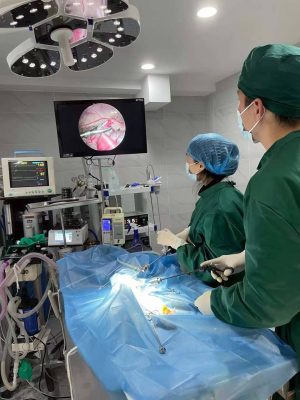
Length range : 90-113 cm
Height range : 61-76cm
Weight range : 31.8-68kg
Coat : dense double coat with a thick coarse topcoat and wooly soft undercoat
Life expectancy years : 10-15
Colors: black|brown|gray|blue, grey|gold|mahogany|with or without tan , silver markings.
Activitity Level : Moderate
Origin: Tibet , China , Mongolia , India , Nepal
Similar Breeds : Caucasian Shepherd Dog|Central Asian Shepherd Dog|Kangal
Written records date back to about 1100 BCE and the breed developed with nomadic cultures of Tibet and neighboring regions as a protector of herds , villages and monasteries. Dogs were historically chained by day and allowed to roam at night as guardians. The breed remained rare outside Asia until the nineteenth century and later American stock was developed from dogs brought from Nepal and India in the 1970s.
watchful|aloof|imposing|intimidating|mellow indoors|sweetly devoted to family|territorial with strangers
loyal|independent|protective|alert|watchful|intelligent|calm|aloof
early socialization|firm positive training|moderate daily exercise|cool climate management|large secure fenced space|regular brushing|weight control
loyal to family|aloof or wary with strangers|can be good with other dogs and pets when socialized|better with older children due to size|careful introductions are important
Regular brushing is required and should increase during shedding periods or the annual heavy molt. Bathing is only needed when dirty but the thick coat should be dried well to reduce skin infection risk. Ear cleaning after bathing or water exposure is helpful.
Feed a high-quality age-appropriate diet with large-breed puppy food through slow maturation and adult food after about 2 years. Portion control is important because excess weight worsens joint strain and many adults do best with two meals daily.
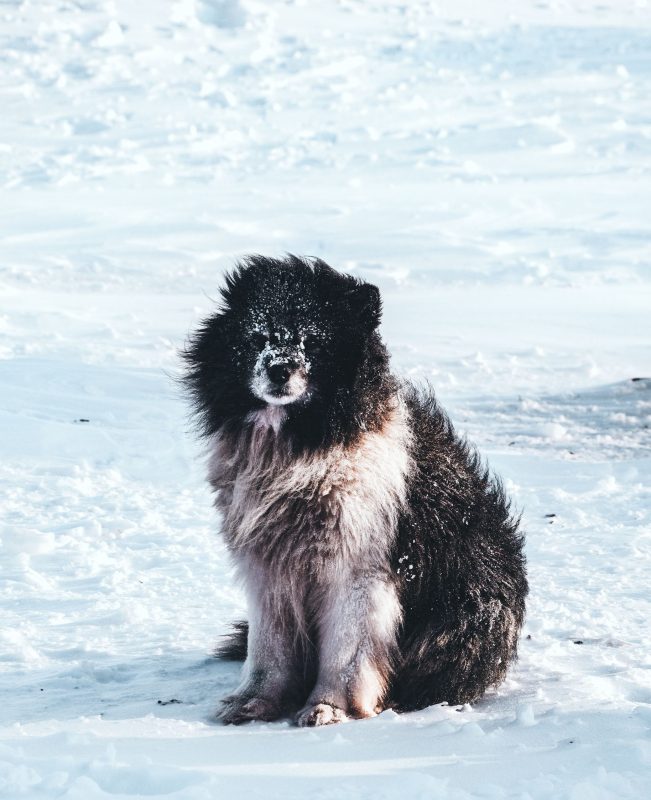
The Tibetan Mastiff is a massive, powerfully built dog with heavy bone and a dense, weather-resistant double coat. Its hallmarks include a broad, impressive head, deep-set, almond-shaped brown eyes conveying an alert expression, and a heavily plumed tail carried curled over the back. Known for an aloof, independent, and fiercely protective temperament, this ancient guardian breed moves with a slow, deliberate, yet surprisingly agile and powerful gait.
Females often have only one estrus season each year and the breed matures slowly , with males often taking at least four years to fully develop. One of the earliest Tibetan Mastiffs seen in Europe was exhibited in Berlin Zoo and a dog named Siring was gifted to Queen Victoria in 1847.
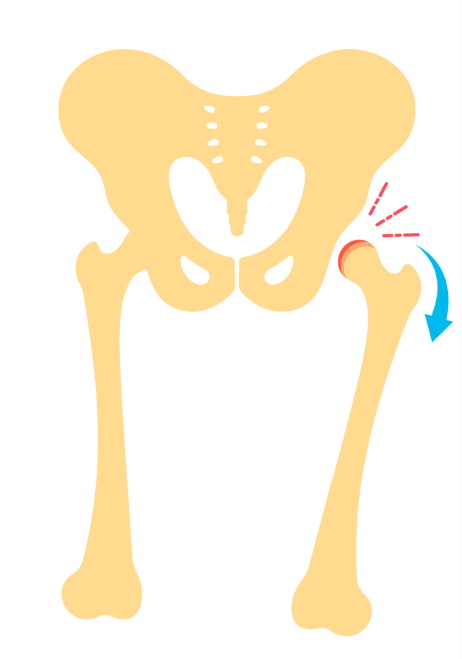
Hip Dysplasia, Hypothyroidism, Elbow Dysplasia, Entropion and Ectropion, Gastric Dilatation-Volvulus
1. Bunny-hopping gait
2. Difficulty rising
3. Hind-limb stiffness or limping
4. Reduced jumping or running
5. Muscle loss or hip pain may occur.
1. Weight gain without increased appetite
2. Lethargy and exercise intolerance
3. Dry dull coat or hair thinning
4. Cold intolerance
5. Recurrent skin or ear infections may occur.
1. Forelimb lameness
2. Stiff gait after rest
3. Elbows may rotate outward while feet turn inward
4. Reduced range of motion or crackling may occur
5. Pain after exercise may occur.
1. Excessive tearing
2. Squinting or holding the eye shut
3. Mucoid discharge
4. Redness or irritation
5. Corneal ulceration , scarring or visible drooping eyelid may occur.
1. Restlessness or distress
2. Excess salivation
3. Unproductive retching
4. Swollen painful abdomen
5. Trouble breathing , collapse or shock may occur.
Signs may appear as early as a few months of age during rapid growth or later in life as osteoarthritis develops. External health notes place common onset at about 4 to 12 months in giant puppies or later in mature adults.
High breed-specific concern is described in the supplied breed and external health texts because giant size and heavy structure can increase orthopedic risk.
It generally affects middle-aged dogs with an average onset around 6 to 7 years of age. Some external health notes describe emergence in young adult to middle-aged dogs.
Moderate to high breed concern is described because breed-specific sources note that it sometimes occurs and external health notes describe elevated prevalence.
It commonly appears in young rapidly growing dogs and may be noticed at about 4 to 8 months or during the broader 4 to 10 month growth phase.
Moderate to high risk is described because giant rapidly growing dogs are predisposed to developmental elbow disease.
It can occur acutely at any age but is most common in middle-aged to older large deep-chested dogs and often occurs shortly after a large meal.
High risk may exist because this is a giant deep-chested breed and dogs over 100 pounds have an approximately 20% lifetime risk of bloat in the provided VCA text.
Entropion often develops up to 2 years of age and ectropion is usually diagnosed in dogs less than 1 year old. Young growing dogs may show signs as facial structure matures.
Moderate breed-specific concern is described because deep-set eyes , loose facial tissues and giant conformation can predispose to eyelid abnormalities.
Normal hip joint stability is lacking because the joint forms incorrectly and remains lax. Cartilage protection is gradually lost as abnormal wear progresses to osteoarthritis. No single chemical deficiency is identified as the direct cause in the provided texts. Rapid growth , overfeeding and excess weight can worsen expression in predisposed dogs.

Normal congruity between the radius , ulna and humerus is lacking during growth. Protective joint cartilage can then be damaged by abnormal loading and bone development defects. No specific nutrient deficiency is established as the direct cause in the provided texts. This structural mismatch can lead to pain , lameness and osteoarthritis.

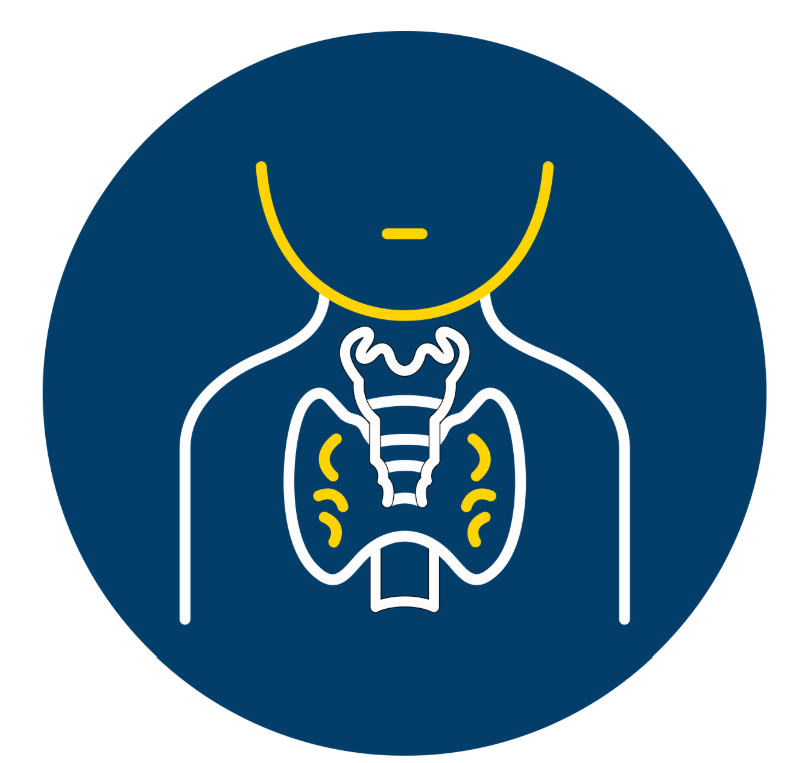
Adequate thyroid hormone is lacking because thyroid tissue is progressively destroyed or replaced by fat. This hormone shortage lowers metabolic activity throughout the body. No vitamin or mineral deficiency is identified as the primary cause in the provided texts. The resulting low hormone state can contribute to skin , coat and energy-related problems.
Normal eyelid support and alignment are lacking when facial conformation allows the lids to roll inward or outward. No specific missing nutrient or chemical is identified as the direct cause in the provided texts. Poor lid position can reduce normal corneal protection and tear-film coverage. This may increase irritation , ulcer risk and scarring.
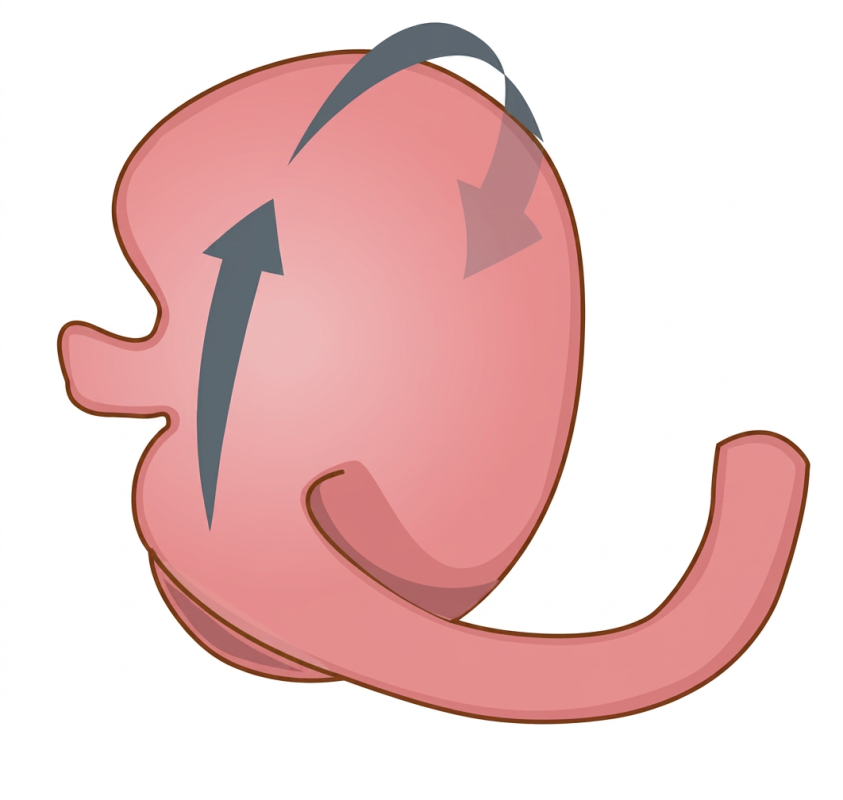
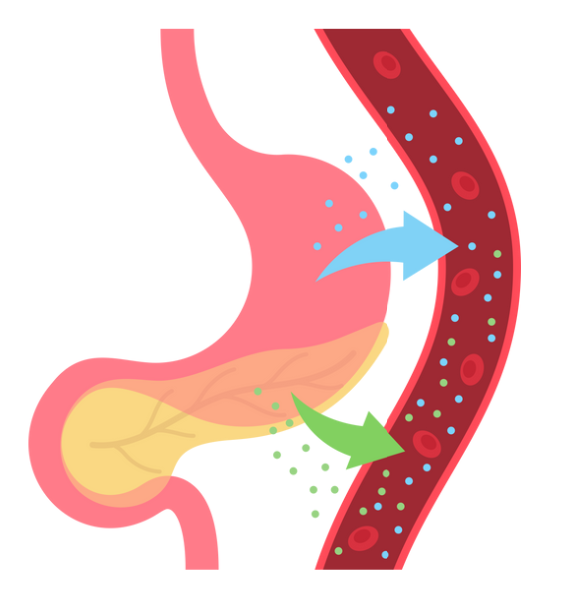
Normal gastric stability is lacking in giant deep-chested dogs that are anatomically predisposed to dilation and twisting. No specific nutrient or chemical deficiency is identified as the cause in the provided texts. Blood and oxygen delivery to the stomach wall may then become inadequate during torsion. This can rapidly lead to tissue death and systemic shock.

+852 6358 3131
香港中環德輔道中84-86號章記大廈9樓01室
週一到週日,早上10點到下午9點
 +852 9160 8619
 +852 9160 8619