我們的服務
寵物護理服務
獸醫服務
其他
Length range : 74-89 cm
Height range : 51-61cm
Weight range : 23-34kg
Coat : short smooth single-layer coat with a distinctive dorsal ridge
Life expectancy years : 12-15
Colors: blue|red|black|fawn.
Activitity Level : Moderate to High
Origin: Thailand
Similar Breeds : Rhodesian Ridgeback|Basenji|Phu Quoc Ridgeback
This is an old Thai breed documented in archaeological records from about 360 years ago. It was used mainly for hunting in eastern Thailand and also served as a watchdog and cart escorting dog. The breed has retained remarkable continuity of type without the extensive crossing seen in many modern breeds.
assertive|alert|intelligent|even-tempered|resilient|lively
loyal|intelligent|alert|independent|devoted|assertive|lively|protective
high daily exercise|mental stimulation|early socialization|consistent training|secure tall fencing|weight management|routine dental and ear care|warm climate preference
devoted and loving with family|can be good with children and other dogs if introduced properly|suspicious of strangers|may attack smaller animals|requires close supervision and structured introductions
Minimal grooming needs with weekly brushing and occasional baths. Clean ears regularly and brush teeth at least twice weekly or ideally daily. Shedding is year-round and may increase seasonally.
Feed a high-quality AAFCO-compliant food matched to age and size. Puppies should eat two to three meals daily and adults typically eat two meals. Measure portions carefully because obesity can worsen joint and heart problems.
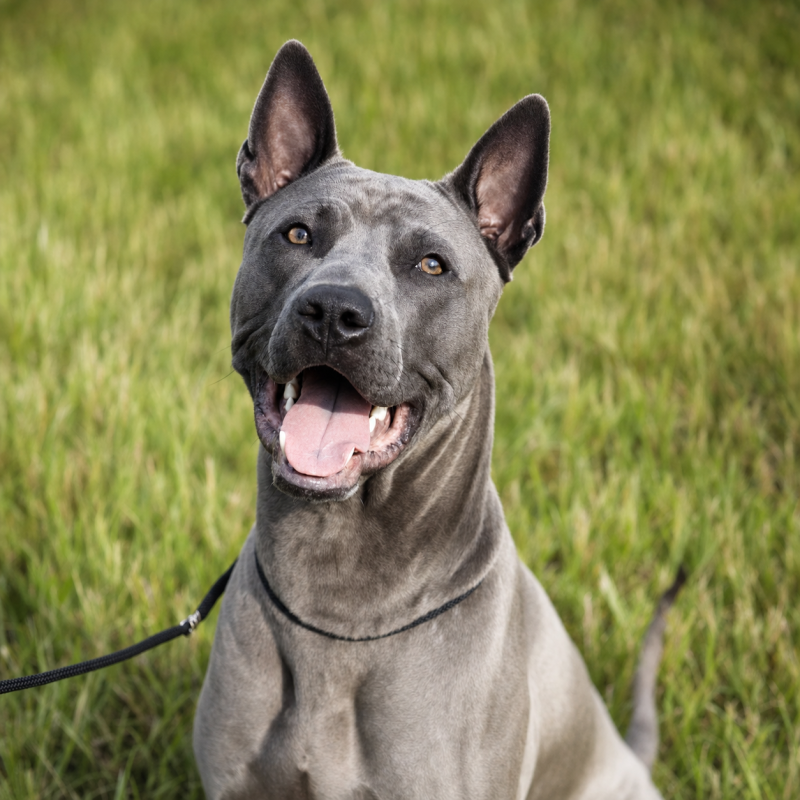
The Thai Ridgeback is a medium-sized, muscular, and athletic dog known for the distinct ridge of hair along its back growing in the opposite direction of its short, smooth coat. The breed standard requires a wedge-shaped head, prick ears, and a solid coat in red, black, blue, or fawn.
Thai Ridgebacks have up to eight ridge patterns and are famous for their jumping ability. They were historically used as hunting dogs , cart escorts and watchdogs in Thailand.
Dermoid Sinus, Hip Dysplasia, Atopic Dermatitis, Gastric Dilatation-Volvulus, Progressive Retinal Atrophy
1. Midline skin opening or pit
2. Swirl hair pattern
3. Cord-like tube under skin
4. Discharge , swelling or abscess may occur
5. Neurologic signs may occur if deeper tissues are involved.
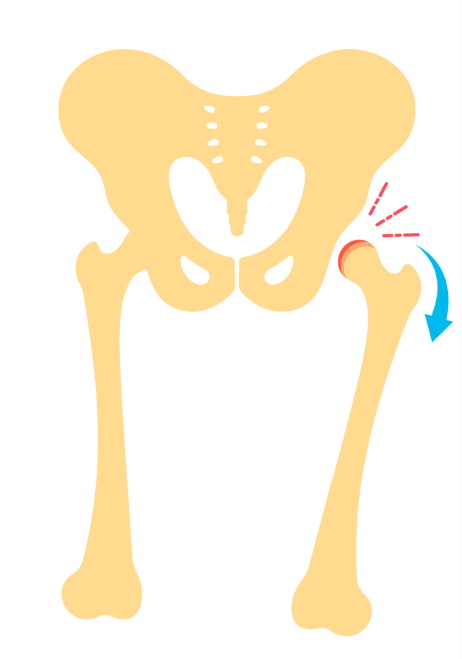
1. Bunny-hopping gait
2. Difficulty rising
3. Hind-limb lameness or stiffness
4. Reluctance to jump or climb stairs
5. Muscle loss or hip pain may occur.
1. Chronic itching
2. Redness of paws , face , axillae or abdomen
3. Ear infections may recur
4. Hair loss , scaling , crusts or thickened skin may occur
5. Paw licking or face rubbing may occur.
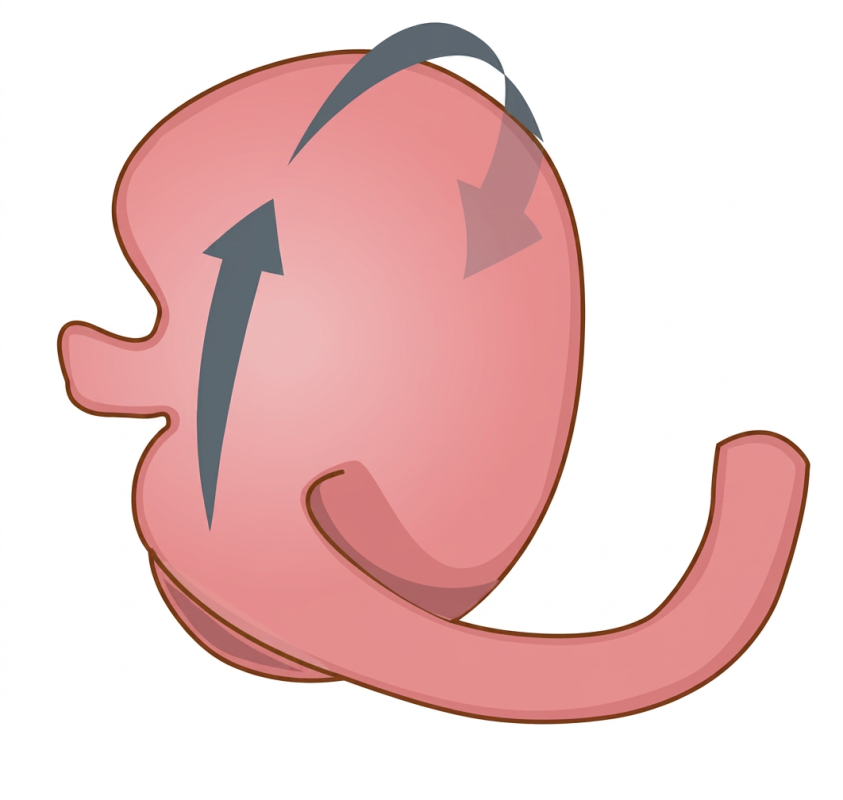
1. Restlessness or distress
2. Excess salivation
3. Unproductive retching
4. Swollen painful abdomen
5. Breathing trouble , collapse or shock may occur.
1. Night vision decline
2. Dilated pupils
3. Hesitation in dark areas
4. Bumping into objects or clumsiness may occur
5. Cataracts may form later.
It is congenital and may be detectable at birth or during early puppyhood. Openings may be recognized as early as 3 to 5 weeks.
High breed-specific risk is described because the condition is strongly associated with Ridgeback breeds and is present from birth.
Signs may appear as early as a few months old or later in life depending on severity and arthritis development. Some breed notes also describe signs during rapid growth from about 4 to 12 months.
Moderate to high breed concern is described because Thai Ridgebacks are noted as at risk for inherited hip disease.
It can occur acutely at any age but is most common in middle-aged to older dogs. It often occurs shortly after eating a large meal although it may happen at any time.
Moderate to high risk may exist because the breed has a deep-chested athletic build and related breed guidance flags bloat susceptibility.
The age of onset is generally between 6 months and 3 years and some breed-specific notes describe onset between 1 and 4 years.
Moderate breed concern is described because allergic skin disease may recur and chronic ear involvement can be prominent.
Vision loss begins during adulthood and the age at which major vision loss occurs may vary by individual and genetic form. Some summaries place onset in young adulthood to middle age.
Moderate risk is described in external health notes although the supplied Cornell breed predisposition list does not specifically name Thai Ridgebacks.
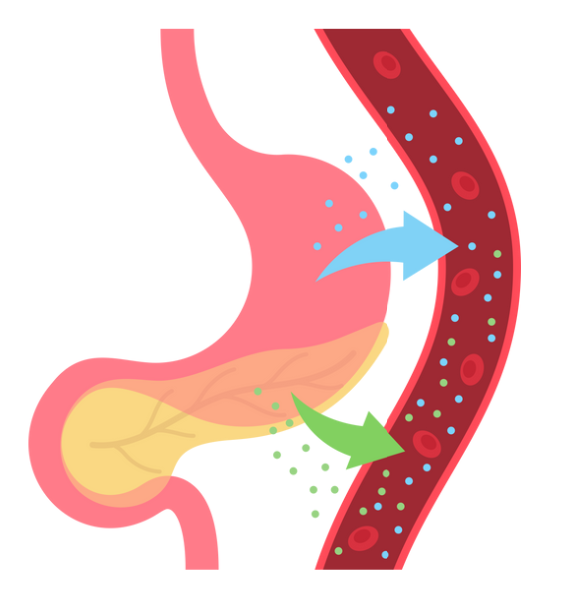
Normal separation between the neural tube and skin is lacking during development. This defect is present from birth and forms a tube-like tract beneath the skin. No nutrient or chemical deficiency is established as the direct cause in the provided texts. The absent normal separation can make the tract vulnerable to recurrent infection and deeper complications.

Normal skin barrier function is lacking and immunologic balance is disrupted in predisposed dogs. The provided texts describe allergen-specific IgE responses , microbial dysbiosis and cytokine-driven itch including IL-31 involvement. This impaired barrier can allow allergens to penetrate more easily and trigger inflammation and pruritus. No simple nutrient deficiency is identified as the sole cause.

Normal hip joint stability is lacking because the joint forms incorrectly and remains lax. Cartilage protection is gradually lost as abnormal wear progresses to osteoarthritis. No single chemical deficiency is identified as the direct cause in the provided texts. Rapid growth , overfeeding and poor weight control can worsen expression in predisposed dogs.
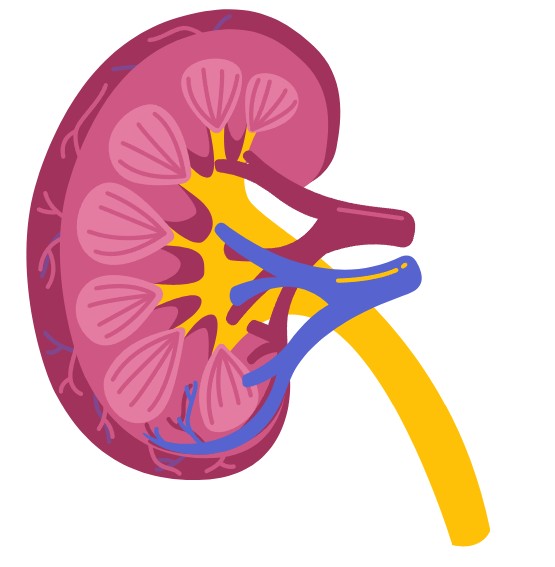
Normal gastric stability is lacking in dogs with deep narrow chest conformation that are predisposed to bloat and twisting. No specific missing nutrient or chemical is identified as the cause in the provided texts. Circulatory support to the stomach wall may then become inadequate as the stomach dilates and twists. This can rapidly lead to tissue death and systemic shock.
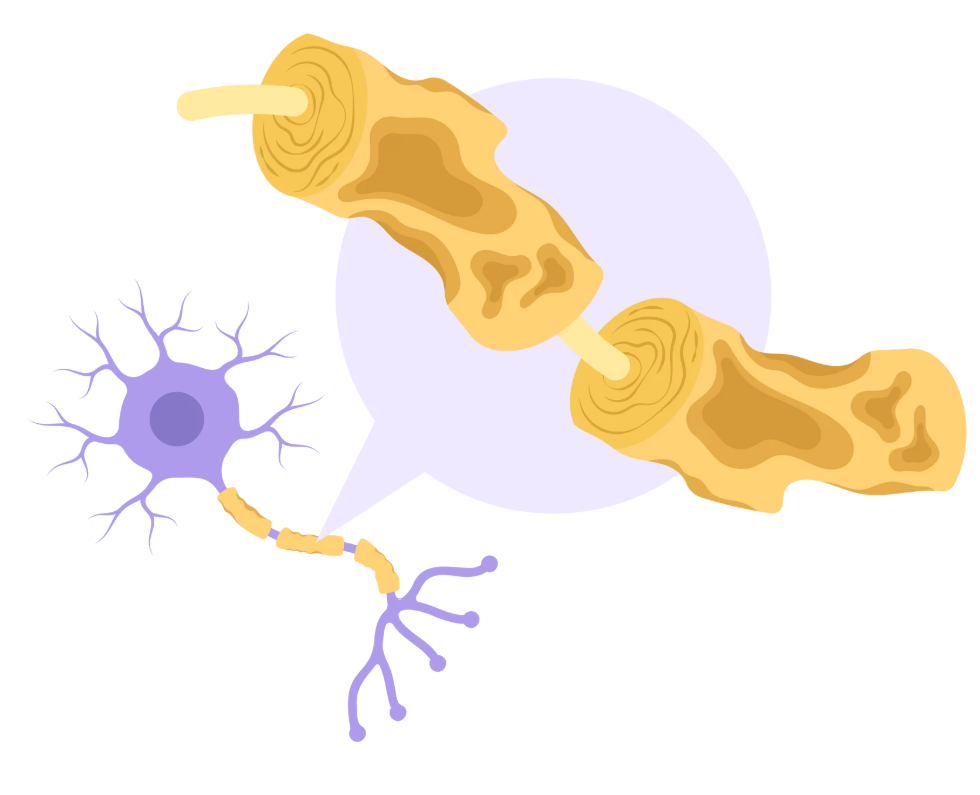
Normal retinal cell integrity is lacking because genetic variants drive degeneration of rods and cones. No single lacking nutrient or chemical is established as the direct cause in the provided texts. Rod loss usually affects night vision first and cone loss follows over time. The end result is progressive blindness.

+852 6358 3131
香港中環德輔道中84-86號章記大廈9樓01室
週一到週日,早上10點到下午9點
 +852 9160 8619
 +852 9160 8619