我們的服務
寵物護理服務
獸醫服務
其他
Length range : 41-69 cm
Height range : 20-53cm
Weight range : 4-11kg
Coat : short , dense , smooth or slightly hard single coat
Life expectancy years : 12-16
Colors: white with black|black and white|white and tan|white and blue|white and chocolate|white and fawn|white and lemon|white and red|tricolor|sable and white|solid white|black|red|brown|blue|pied.
Activitity Level : High
Origin: United States
Similar Breeds : Rat Terrier|Tenterfield Terrier|Fox Paulistinha|Parson Russell Terrier
The breed developed in the United States from working terriers brought by English miners and other working-class immigrants in the 19th century. It shares early history with the Rat Terrier and emerged as the shorter-legged more muscular bench-legged type used as a farm ratter. A breed standard was developed in 1995 , the UKC recognized it separately in 1999 , the AKC accepted full recognition in 2026.
bold|tenacious|protective|reserved with strangers|eager to please|energetic
lively|friendly|affectionate|playful|loyal|alert|people-oriented|smart
daily exercise|mental stimulation|secure leash or fencing|basic training|routine dental care|owner involvement
deeply devoted to family and sometimes one person|can do well with children , cats and other dogs when raised with them|should be kept away from small prey pets and introduced slowly
The short dense coat is low maintenance and usually needs quick weekly brushing with a rubber curry , soft bristle , slicker or firm bristle brush. Bathing can be done every 4 to 6 weeks or as needed , with regular ear checks , nail trims and routine tooth brushing.
Feed a high-quality diet formulated for size , age and activity level and avoid overfeeding because obesity can worsen joint and spine problems. Measured twice-daily meals and portion control are helpful with life-stage guidance from a veterinarian.
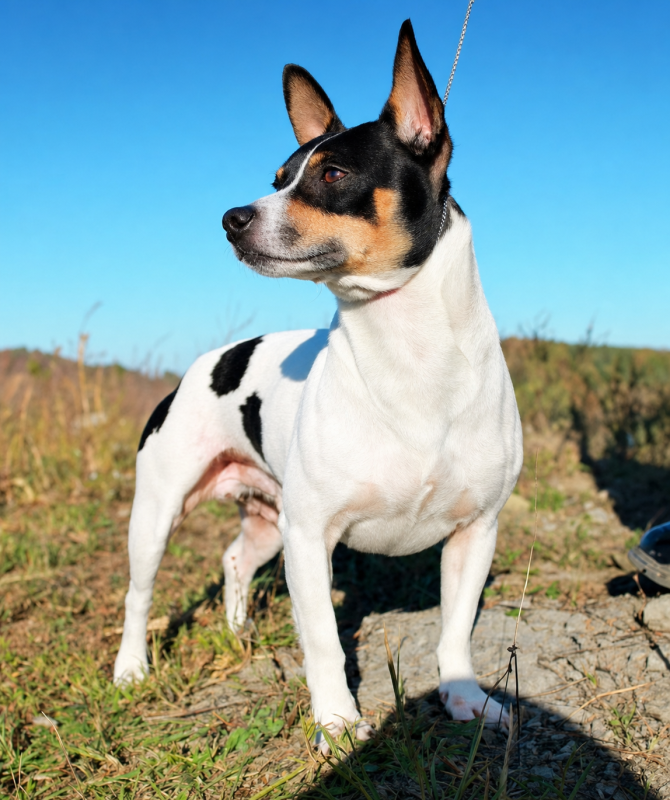
low-set muscular terrier with body longer than tall|broad slightly domed blunt wedge head|V-shaped ears that may be erect , semi-erect or button|oval oblique eyes|short dense coat with white base and patches|tail may be docked , bobtail or natural upward curve
The breed is closely tied to old farm ratters and even gained public attention through Theodore Roosevelt and White House vermin stories. Some modern dogs are also noted for locating black truffles underground.
Primary Lens Luxation, Luxating Patella, Intervertebral Disc Disease, Atopic Dermatitis, Hip Dysplasia
1. Sudden ocular pain
2. Excessive tearing
3. Squinting
4. Red , hazy or cloudy eye
5. Rapid vision loss may occur.
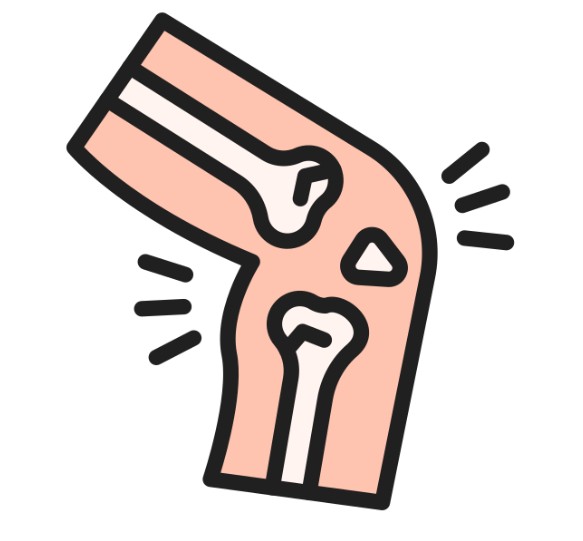
1. Intermittent skipping gait
2. Sudden hopping on three legs
3. Audible popping in the knee joint may occur
4. Joint stiffness
5. Reluctance to jump or climb.
1. Back or neck pain
2. Severe spinal stiffness
3. Reluctance to jump or take stairs
4. Wobbliness or ataxia
5. Hind-limb weakness or paralysis may occur.
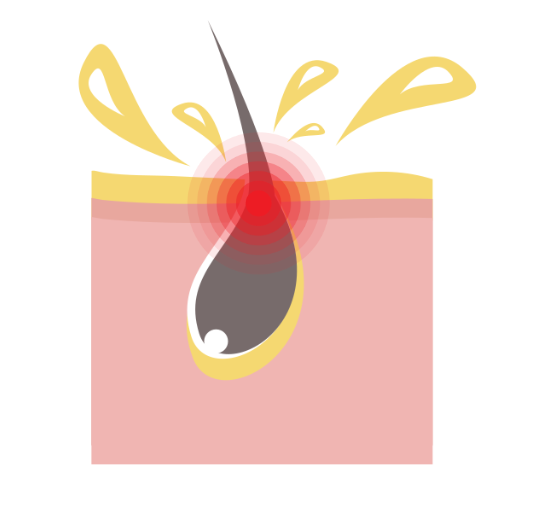
1. Chronic itching
2. Redness around face , paws , axillae and groin
3. Frequent ear infections
4. Face rubbing may occur
5. Darkened or thickened skin may develop.
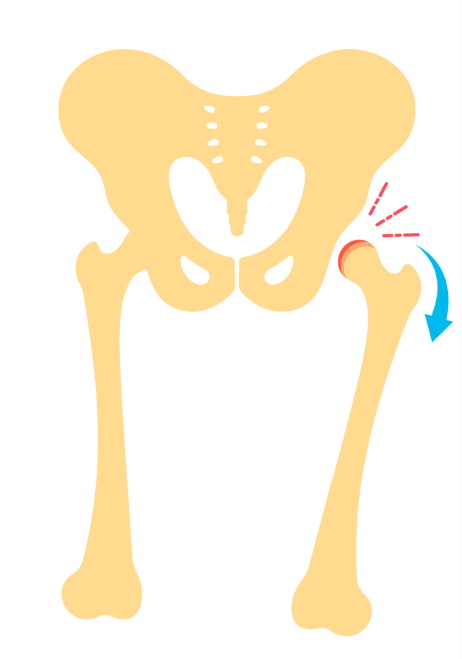
1. Bunny-hopping gait
2. Difficulty or stiffness when rising
3. Reluctance to run , jump or climb stairs
4. Hind-limb muscle atrophy
5. Observable hip pain may occur.
It typically manifests between 3 and 8 years of age and structural eye changes may already be evident at about 20 months.
High breed-specific risk is described and terrier breeds are predisposed. Dogs with two copies of the ADAMTS17 variant are at the highest risk and dogs with one copy have increased risk.
It typically becomes noticeable between 4 and 12 months of age although mild grades may remain undiagnosed until adulthood.
High breed-specific risk is described in small terriers and the breed is routinely screened for patella concerns.
Disc degeneration begins from birth to 1 year of age in chondrodystrophic dogs and Type I IVDD is usually first recognized in young adult dogs with breed-specific differences.
Moderate to high breed-specific risk is described because chondrodystrophic conformation and the FGF4 retrogene increase risk for Type I IVDD in dogs with one or two copies.
It typically develops between 1 and 4 years of age and many affected dogs begin signs under 3 years of age.
Moderate to high risk is described because terrier-type atopy and breed predisposition are recognized.
It can present during rapid growth from about 4 to 12 months of age or later in life as osteoarthritis develops.
Moderate risk is described and expression may worsen with rapid growth and excess weight in predisposed dogs.
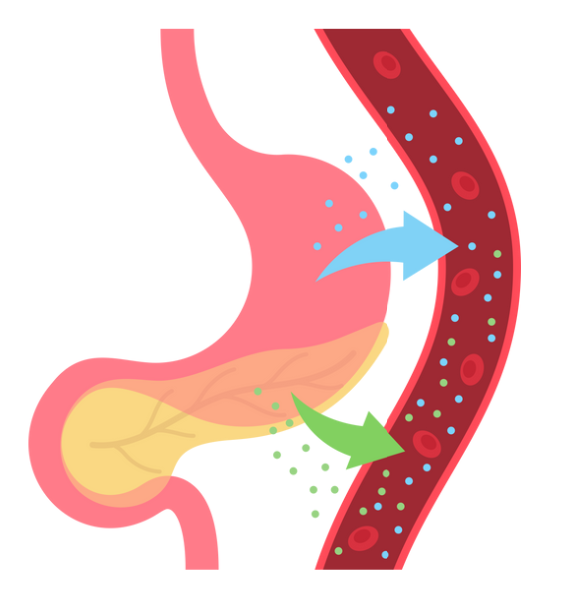
Structural support from healthy zonular fibers is lacking because the lens suspensory apparatus breaks down. The supplied texts link this inherited weakness to the ADAMTS17 gene. Normal lens stability is therefore lost and the lens may displace forward or backward. Forward displacement can rapidly increase eye pressure and cause glaucoma.

Normal disc resilience is lacking because the nucleus pulposus hardens and degenerates early in chondrodystrophic dogs. The supplied texts link this risk to the FGF4 retrogene and premature disc calcification. Cushioning support between vertebrae is therefore reduced and disc material may rupture through the annulus. Pressure on the spinal cord and nerves can then cause pain , weakness or paralysis.

Normal alignment of the quadriceps mechanism is lacking because the kneecap is not guided securely within the femoral groove. A shallow trochlear groove and medial displacement of the tibial tuberosity reduce normal tracking support. No nutrient deficiency is identified as the direct cause. Joint instability can therefore alter gait and increase wear over time.
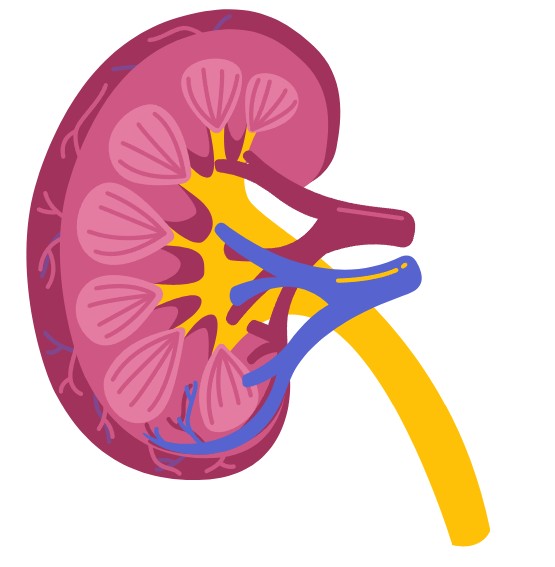
Normal skin barrier protection is lacking because epidermal barrier defects allow allergens to penetrate more easily. Balanced immune regulation is also lacking because immunological dysregulation drives exaggerated inflammatory responses. These defects can increase susceptibility to pollen , dust mites , molds and similar triggers. Chronic inflammation can then sustain pruritus , ear disease and skin thickening.
Normal hip joint stability is lacking because the coxofemoral joint forms incorrectly and becomes lax. Cartilage protection is reduced as inherited laxity leads to abnormal wear and bony remodeling. Proper growth control may also be lacking when rapid weight gain and overfeeding worsen expression in predisposed dogs. The resulting instability can increase pain and osteoarthritis risk.

+852 6358 3131
香港中環德輔道中84-86號章記大廈9樓01室
週一到週日,早上10點到下午9點
 +852 9160 8619
 +852 9160 8619