我們的服務
寵物護理服務
獸醫服務
其他
Length range : 52-62 cm
Height range : 52-62
Weight range : 22-35
Coat : thick rough dense coat|wiry harsh tousled coat|dense weatherproof double coat|shorter flatter hair on the head|coarse bristling hair with dense undercoat
Life expectancy years : 10-14
Colors: gray|black|brindle|fawn|red|any coat colour accepted|black mask|white chest or feet markings.
Activitity Level : High
Origin: Belgium
Similar Breeds : Bouvier des Flandres|Belgian Shepherd Malinois|Beauceron
The breed originated in the Belgian Ardennes as an old farm and cattle-driving dog used for herding livestock , guarding property and pulling carts. It declined sharply after the world wars and the reduction of traditional farm use but was later revived by dedicated breeders; source text also notes Belgian recognition in 1923 and FCI recognition references in 1963 and 2006 depending on milestone framing.
courageous and confident, reserved with strangers, affectionate with trusted people, obedient to handler, protective and vigilant
brave, independent, loyal, energetic, intelligent, hardworking, watchful, family-oriented, determined, agile
serious daily exercise, mental stimulation, meaningful work, early socialization, consistent leadership, regular brushing, rural space preferred
strong bond with family, can live with children and other pets if properly socialized, may struggle if left alone too long, wary of strangers
regular brushing, more frequent brushing during shedding, daily brushing may help prevent tangles and matting, nail trimming, tooth brushing, occasional professional grooming
balanced high-quality diet, protein-rich plan for active lifestyle, food tailored to age, weight and activity level, veterinary guidance on portions may help
vigorous daily walks, running, hiking, farm work, off-lead exercise where safe, agility, flyball, obedience, search and rescue games, several hours of serious activity each day
early socialization, positive reinforcement, consistent and patient leadership, impulse control, frustration tolerance, training must be fun, repeating the same command again and again is not recommended, reliable recall, Schutzhund or working activities
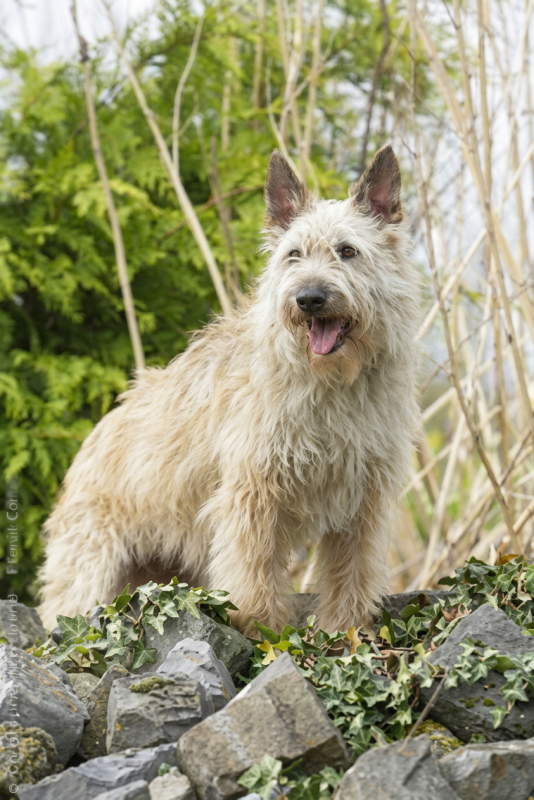
A robust , compact and muscular cattle dog with a rough wiry weatherproof coat , broad chest , powerful head and dark oval eyes. The body should be functional and agile with a short broad muzzle , rustic furnishings and overall emphasis on endurance , strength and working ability rather than ornament.
The breed was once thought nearly lost before surviving farm populations in Belgium helped support its revival.
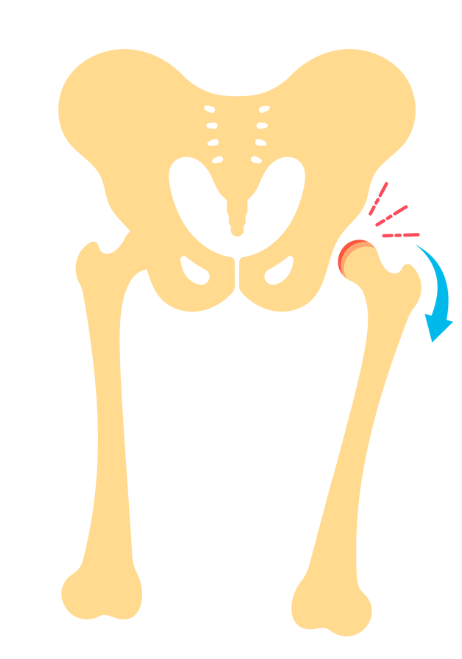
Hip Dysplasia, Elbow Dysplasia, Degenerative Myelopathy, Cataracts, Idiopathic Epilepsy
1. bunny-hopping gait
2. difficulty standing
3. exercise intolerance and hind-limb lameness may occur
1. front-leg lameness
2. visible joint swelling
3. reluctance to jump and a stiff gait may occur
1. dragging of rear paws
2. loss of balance
3. muscle atrophy and eventual inability to stand may occur
1. cloudy or milky eye appearance
2. bumping into objects and visual hesitation in dim light may occur
1. uncontrolled muscle twitching
2. stiffening
3. loss of consciousness and excessive salivation may occur
1. typically manifests between 6 months and 2 years of age
1. moderate
2. common in robust medium-to-large herding breeds
1. often presents during the adolescent growth phase
2. between 5 and 10 months
1. moderate
2. a known risk for active breeds with high physical impact
1. breed-specific risk
2. prevalent in many shepherd-type working breeds due to the SOD1 genetic mutation
1. can be juvenile or age-related
2. often appearing in early adulthood or senior years
1. moderate
1. typically occurs between 1 and 5 years of age
1. moderate
2. linked to inherited predisposition in several herding breeds
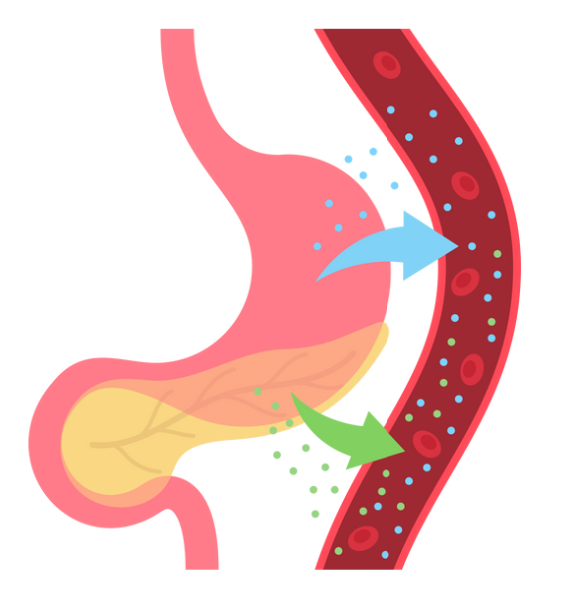
1. No specific missing chemical is identified in the provided material.
2. The illness is linked to polygenic inheritance and environmental factors during rapid growth.
3. The provided content describes abnormal joint development rather than a lacking nutrient or compound.

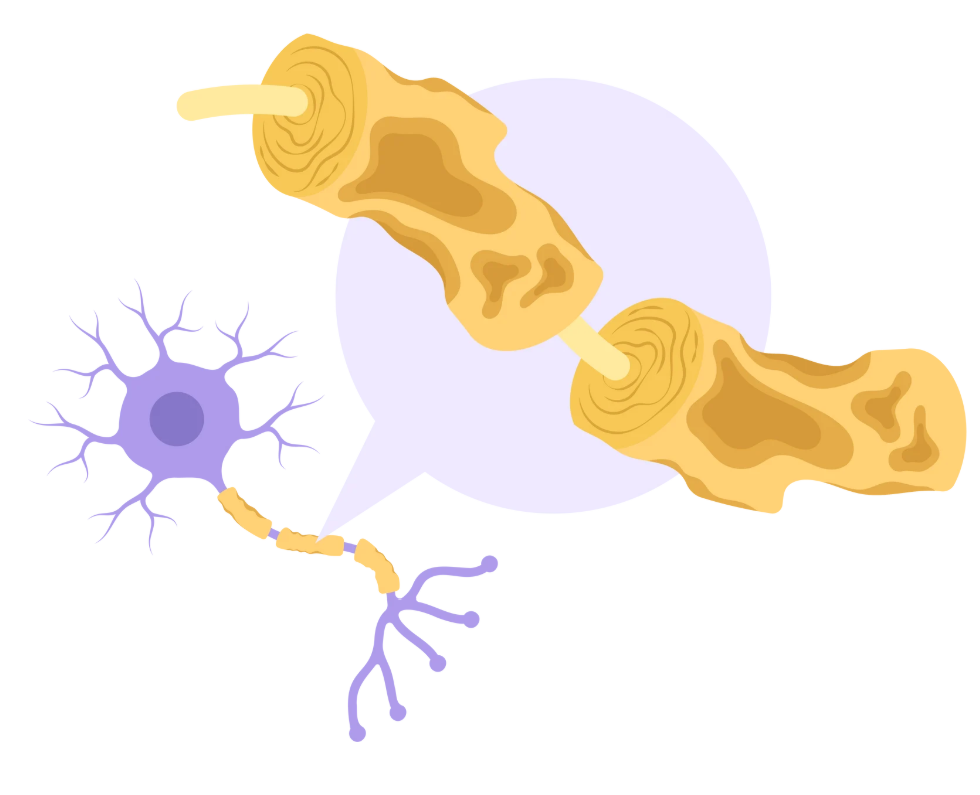
1. The myelin sheath protecting spinal nerves degenerates because of a genetic mutation.
2. This means protective nerve covering becomes lacking over time in the spinal cord white matter.
3. The provided material links that loss of protection to worsening coordination problems and paralysis.

1. No specific missing chemical is identified in the provided material.
2. The illness is linked to hereditary developmental defects causing incongruity of the joint surfaces.
3. The provided content describes structural elbow disease rather than a lacking nutrient or compound.
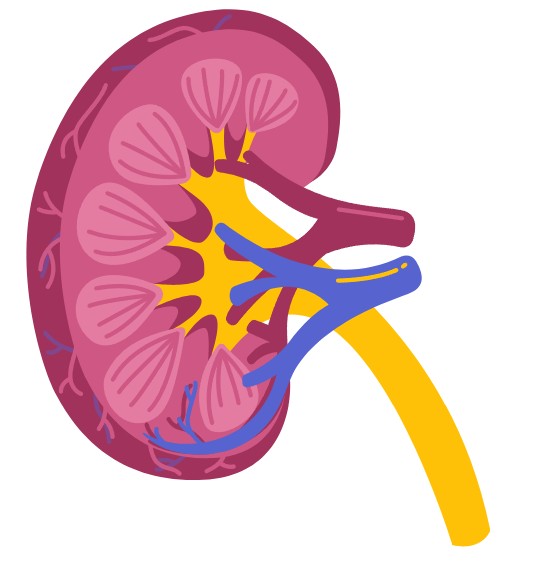
1. No specific missing chemical is identified in the provided material.
2. The illness is linked to genetic mutations , age-related metabolic changes or ocular trauma.
3. The provided content describes lens clouding rather than a lacking nutrient or compound.

+852 6358 3131
香港中環德輔道中84-86號章記大廈9樓01室
週一到週日,早上10點到下午9點
 +852 9160 8619
 +852 9160 8619