我們的服務
寵物護理服務
獸醫服務
其他
Length range : 56-61 cm
Height range : 25-43
Weight range : 4.5-11.5
Coat : Short smooth fine coat|flat texture|single coat appearance|easy-care coat
Life expectancy years : 11-15
Colors: brindle and white|black with white|seal with white.
Activitity Level : Moderate
Origin: United States
Similar Breeds : French Bulldog|Pug|Miniature Bull Terrier
The Boston Terrier was developed in Boston in the late 1800s from crosses involving Bulldogs and white English Terriers and later selective breeding refined the type into a smaller gentler companion. The breed club formed in 1891 and AKC recognition followed in 1893 making it one of the first truly American-made breeds.
friendly and lively, good-natured, social, attentive, enthusiastic, usually cheerful with family and familiar people
friendly, lively, affectionate, intelligent, playful, outgoing, happy-go-lucky, people-loving, alert, well-mannered
moderate daily exercise, temperature management, weight control, routine grooming, eye monitoring, regular companionship
thrives on human company, generally good with other pets with training, usually good with children under supervision, may dislike being left alone too long
weekly brushing, occasional baths, routine nail trimming, routine ear cleaning, regular tooth brushing, regular face and eye area checks
high-quality age-appropriate food, AAFCO-aligned complete diet, small-breed appropriate kibble may help chewing, portion control is important, avoid fatty snacks and excess treats, fresh water should always be available
one or two half-hour walks daily, short play sessions, fetch, Frisbee, walking, avoid long intense exercise in heat, use secure fenced areas or leash
positive reinforcement, early socialization, basic training, harness and lead training, recall training, patience with occasional stubbornness, harsh methods is not recommended
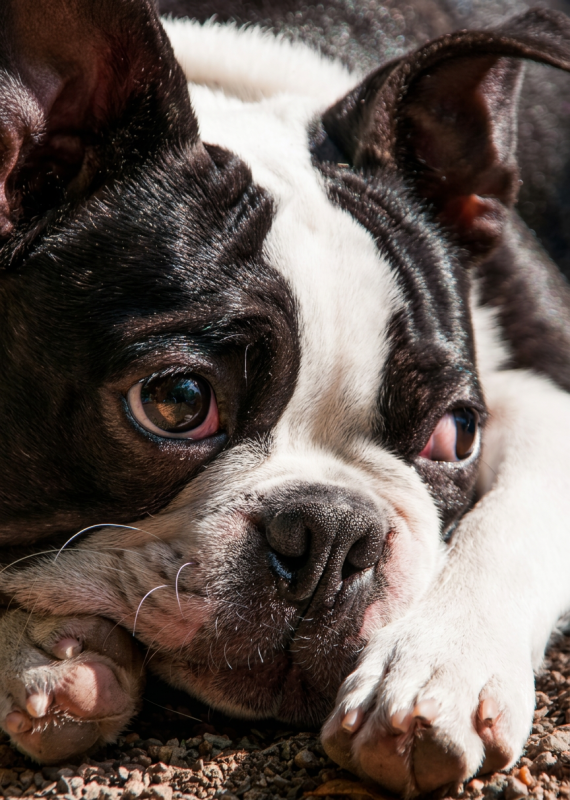
A small , compact and sturdy dog with a square head , short square muzzle , broad chest , short smooth fine coat and distinctive white markings on brindle , seal or black. The expression should be alert and kind with large dark eyes and erect ears giving a balanced dapper outline.
The Boston Terrier is one of the first officially created American breeds and became known as the American Gentleman because of its tuxedo-like markings and polished look.
Brachycephalic Airway Syndrome, Patellar Luxation, Juvenile Cataracts, Progressive Retinal Atrophy, Hip Dysplasia
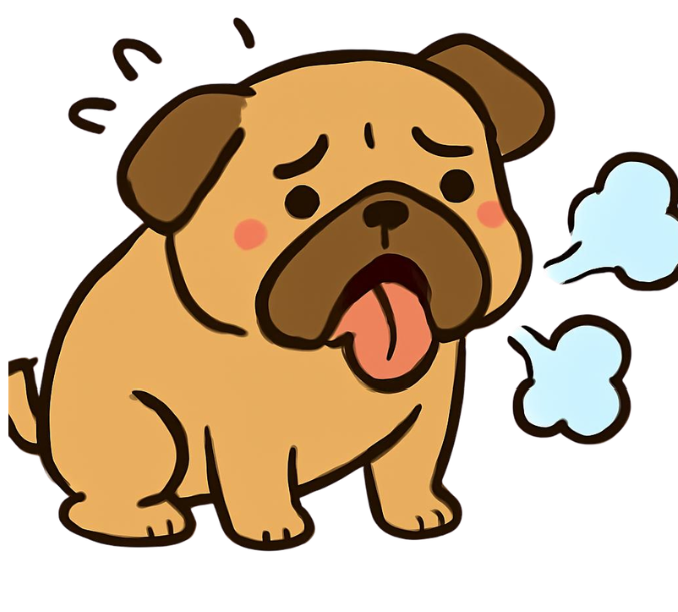
1. loud snoring , labored breathing , exercise intolerance , noisy panting and gagging or retching may occur
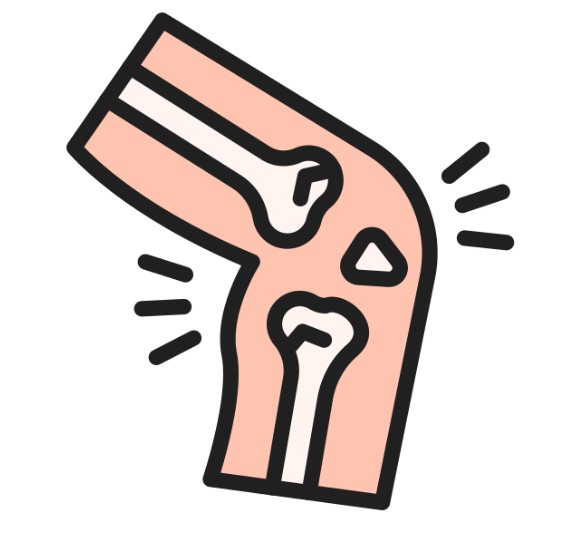
1. intermittent lameness , skipping gait while running , holding the affected leg up and popping from the knee may occur
1. visible cloudiness or milky pupil , bumping into objects and visual hesitation may occur
1. night blindness , declining daytime vision , dilated pupils and anxiety in low light may occur
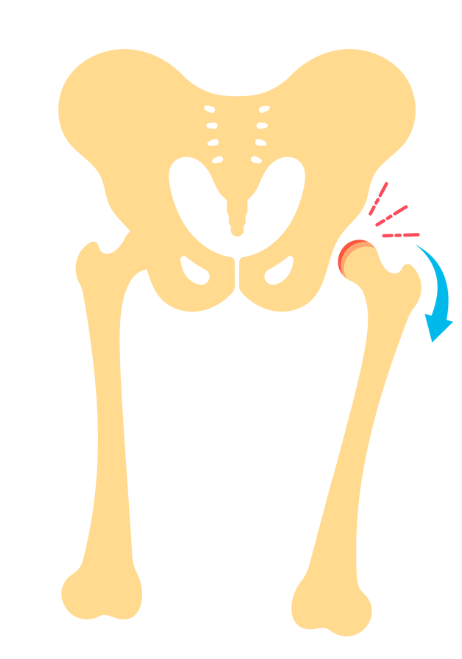
1. bunny-hopping gait , difficulty rising , hind-leg muscle atrophy and reduced desire to play may occur
1. can be observed from a young age
2. often worsens with exertion or heat exposure
1. high
2. a physical consequence of the breed’s skull and snout conformation
1. often becomes apparent in puppyhood or early adulthood as the dog develops
1. high
2. a common anatomical issue in small breeds
1. typically diagnosed in puppies or young adults
2. often within the first few years of life
1. moderate
2. linked to inherited recessive traits within the breed
1. usually presents in early to middle adulthood
2. typically between 3 and 6 years of age
1. moderate
2. inherited as an autosomal recessive trait
1. often manifests during rapid growth
2. or later as secondary arthritis develops in adulthood
1. moderate
2. the breed’s stocky frame and obesity may contribute to joint stress
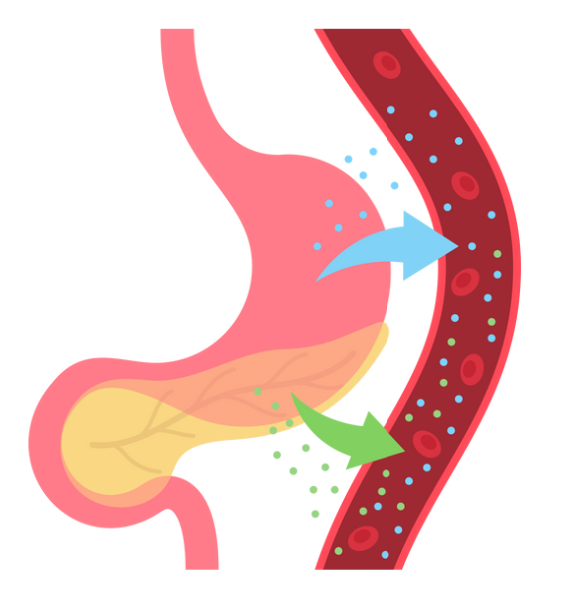
1. No specific missing chemical is identified in the provided material.
2. The condition is linked to shortened facial bones , elongated soft palate , stenotic nares and redundant throat tissue.
3. The text describes airway obstruction from anatomy rather than a lacking nutrient or compound.

1. No specific missing chemical is identified in the provided material.
2. The illness is linked to inherited lens protein abnormalities and genetic mutation.
3. The text describes lens opacity from hereditary change rather than a lacking nutrient or compound.

1. No specific missing chemical is identified in the provided material.
2. The condition is linked to shallow trochlear grooves or improper hind-limb skeletal alignment.
3. The text describes structural instability rather than a lacking nutrient or compound.
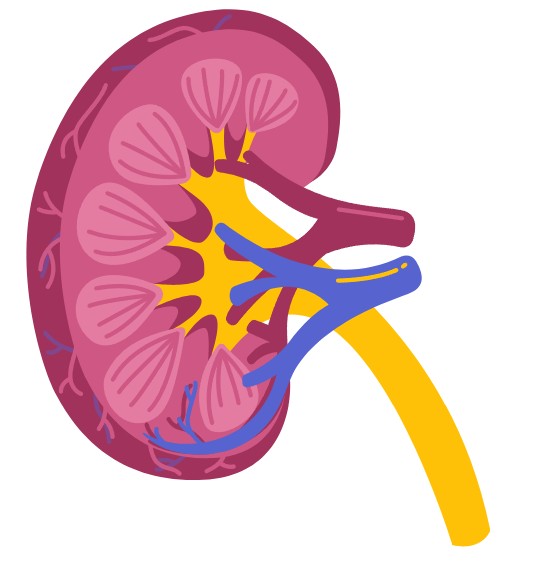
1. No specific missing chemical is identified in the provided material.
2. The condition is linked to inherited mutations affecting rods and cones in the retina.
3. The text describes retinal degeneration from genetic defects rather than a lacking nutrient or compound.

+852 6358 3131
香港中環德輔道中84-86號章記大廈9樓01室
週一到週日,早上10點到下午9點
 +852 9160 8619
 +852 9160 8619