我們的服務
寵物護理服務
獸醫服務
其他
Length range : 84-97 cm
Height range : 68-81
Weight range : 25-48
Coat : Silky double coat|medium to long coat|straight or wavy or curly texture|heavier feathering on legs undercarriage and tail|shorter hair on head ears and front of legs
Life expectancy years : 9-14
Colors: any color except merle|black|brindle|cream|white|many other colors and patterns.
Activitity Level : Moderate
Origin: Russia
Similar Breeds : Irish Wolfhound|Italian Greyhound|Saluki|Greyhound
The Borzoi developed in Russia where aristocrats refined Greyhound-like dogs with heavier coated Russian stock into a swift weather-tolerant wolf hunter. From the 16th and 17th centuries onward it was central to grand noble hunts , declined after the emancipation of serfs and the Russian Revolution of 1917 , and survived through gifted and exported dogs that established breeding programs abroad.
calm and agreeable, friendly but not gregarious, one-family oriented, reserved with strangers, laid-back indoors, avid chaser outdoors
gentle, calm, sweet, affectionate, quiet, sensitive, aloof with strangers, independent, loyal, good-natured, slightly clownish
daily exercise, secure enclosed running area, leash control in open areas, regular grooming, early socialization, gentle handling
strongly bonded to family, can do well with children if play is not rough, may be shy with new people or dogs, requires early exposure to cats and other pets due to chase instinct, does not like being left alone for long
brush every 1 to 2 days or at least two to three times weekly, regular bathing, trim nails regularly, check ears during grooming, heavier grooming during annual heavy shed, daily brushing may be best for coat control
high-quality AAFCO-approved diet, large-breed appropriate nutrition, fresh water always available, avoid overfeeding and fatty snacks, split meals into smaller portions, joint-supportive nutrition may help bones and joints
at least an hour daily, long walks, running in secure enclosed areas, lure coursing, agility, fetch, tug-of-war, scent work
positive reinforcement, patience and repetition, early socialization, firm but gentle guidance, recall training is a priority, harsh training methods is not recommended, training as you go along may work better than long formal sessions
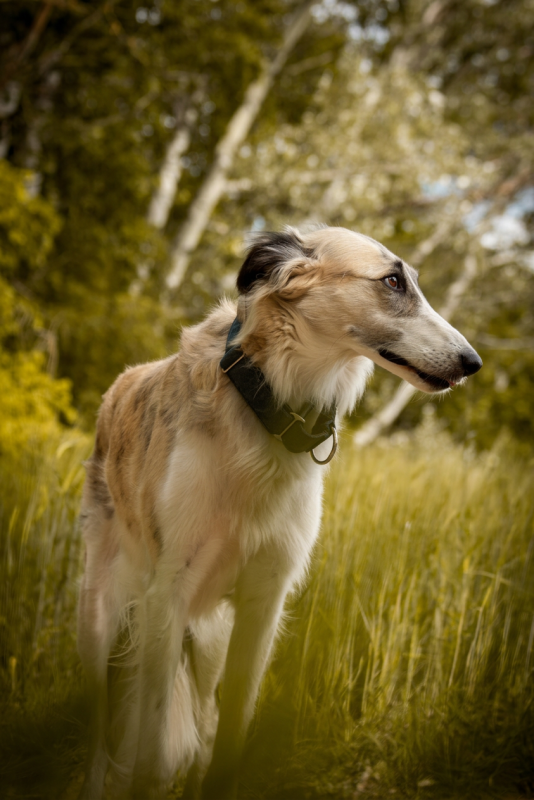
A tall , narrow and aristocratic sighthound with a long lean head , dark almond eyes , small fine ears , deep narrow chest , powerful neck and long muscular limbs. The coat should be silky with feathering and the outline should convey grace , speed and strength.
The Borzoi was once known as the Russian Wolfhound and its survival outside Russia depended in part on dogs gifted or exported abroad after political upheaval.
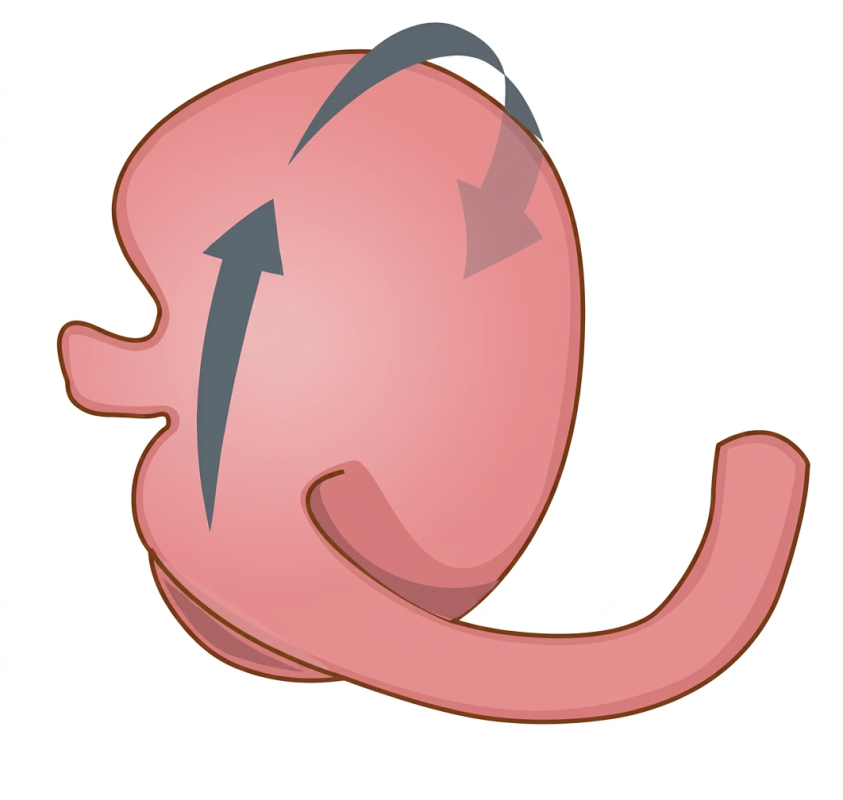
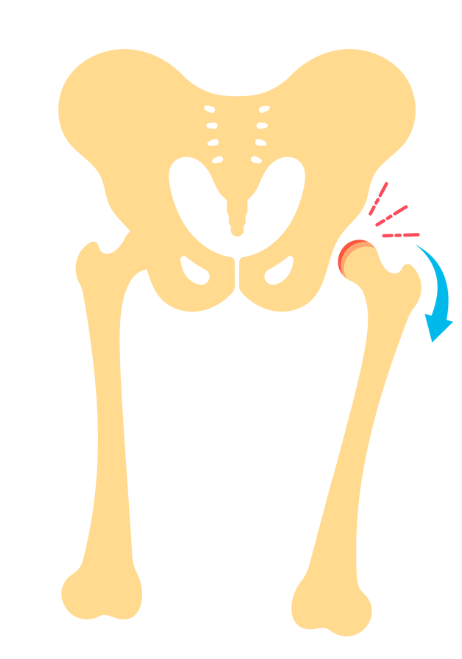
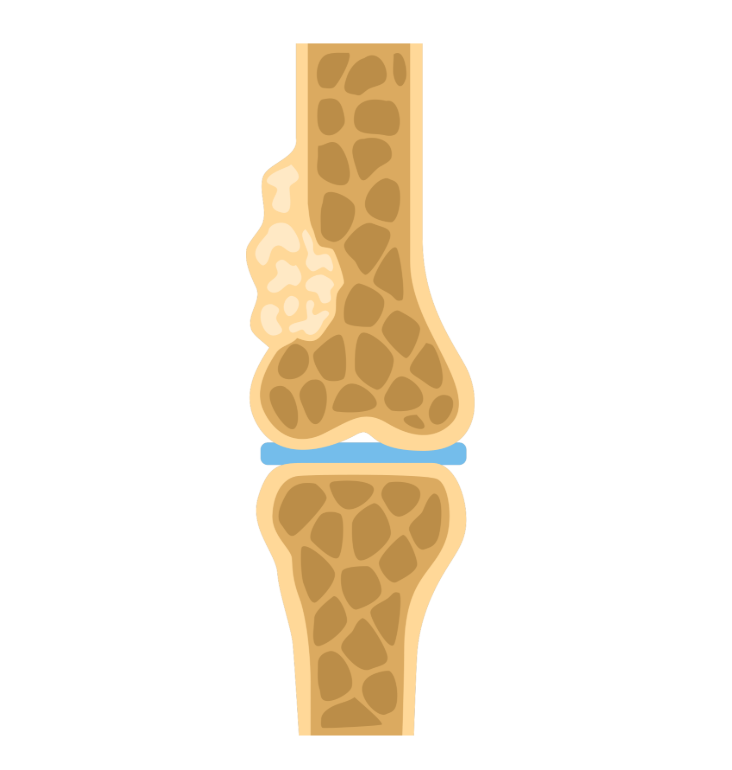
Gastric Dilatation-Volvulus, Osteosarcoma, Hip Dysplasia, Degenerative Myelopathy, Elbow Dysplasia
1. distended abdomen , non-productive retching , restlessness , excessive salivation and signs of shock may occur
1. persistent lameness , swelling of the affected bone , pain on palpation and occasional pathological fractures may occur
1. swaying gait , difficulty rising , exercise intolerance and shifting weight to the front legs may occur
1. gradual hind-limb weakness , paw knuckling , muscle atrophy and eventual rear-limb paralysis may occur
1. forelimb lameness , stiff gait , reluctance to exercise and joint swelling may occur
1. can occur at any age
2. though it is more prevalent in adult and senior years
1. moderate to high
2. a critical risk for deep-chested breeds
1. typically manifests in middle-aged to senior dogs
2. often between 7 and 10 years of age
1. high
2. the breed is at elevated risk due to large stature and genetic predisposition
1. often appears in young adulthood
2. typically between 1 and 3 years of age
1. moderate
2. influenced by genetic inheritance and rapid growth rates
1. typically occurs in senior dogs
2. usually from 8 years of age onward
1. moderate
2. the breed carries a known genetic risk for the SOD1 mutation
1. often manifests during the growth phase
2. between 5 and 12 months of age
1. moderate
2. common in large breeds with high physical demands during development
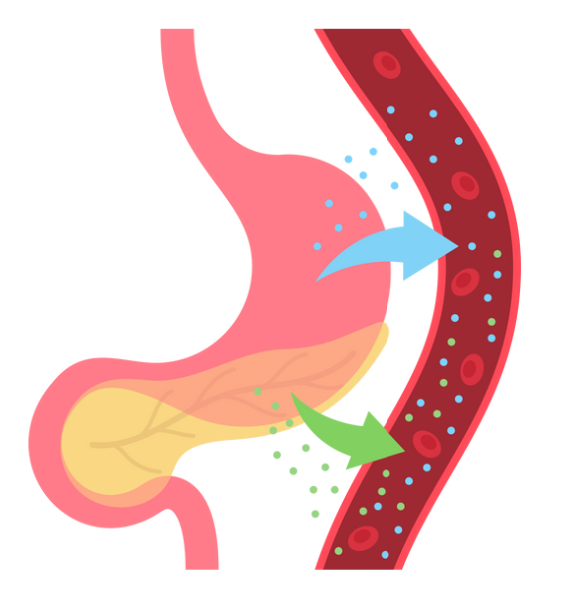
1. No specific missing chemical is identified in the provided material.
2. The illness is linked to deep chest conformation together with air swallowing , large meals or intense exercise after eating.
3. The text describes mechanical torsion risk rather than a lacking nutrient or compound.

1. No specific missing chemical is identified in the provided material.
2. The condition is linked to polygenic abnormal development of the coxofemoral joint.
3. The text describes structural joint laxity rather than a lacking nutrient or compound.

1. No specific missing chemical is identified in the provided material.
2. The illness is linked to malignant transformation of osteoblasts with an underlying genetic component in giant breeds.
3. The text describes cancer biology rather than a lacking nutrient or compound.
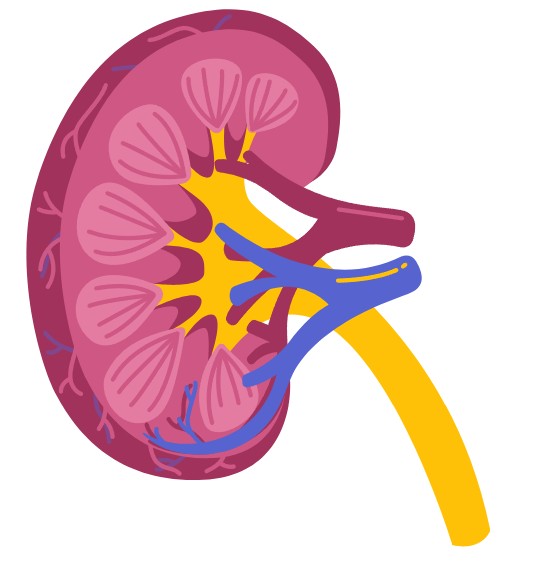
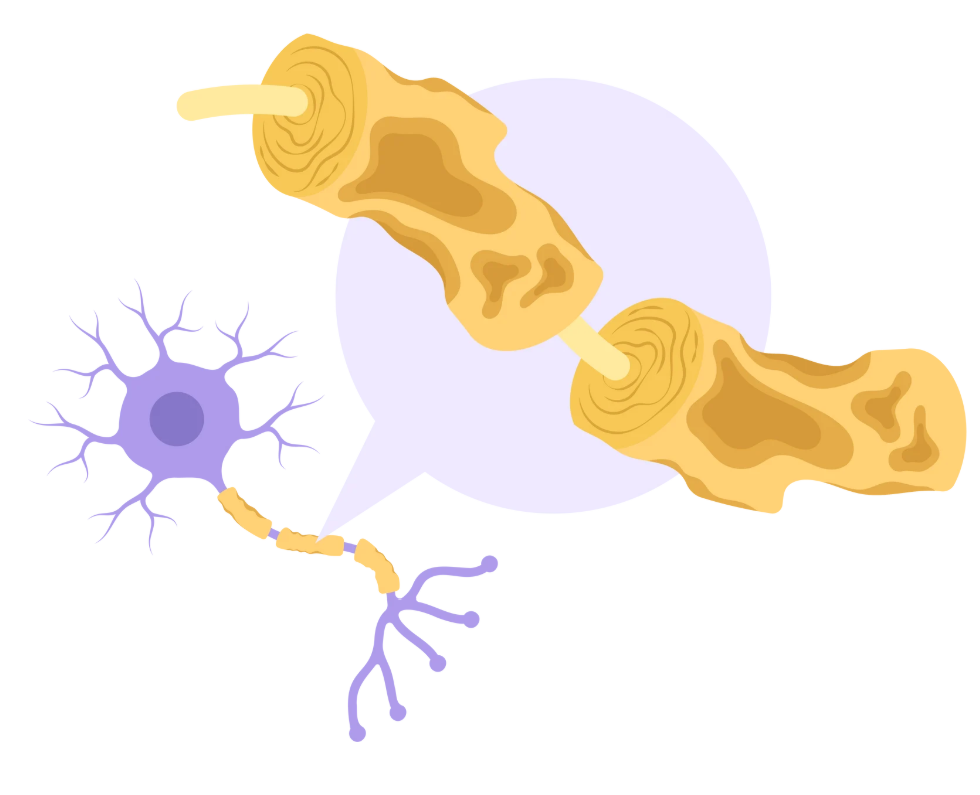
1. Myelin sheath support is lacking because a SOD1 mutation leads to deterioration around spinal cord neurons.
2. The provided material links this loss of protection to progressive spinal cord dysfunction.
3. This can make affected dogs vulnerable to hind-limb weakness and paralysis.
1. No specific missing chemical is identified in the provided material.
2. The condition is linked to hereditary developmental defects causing abnormal bone growth and joint incongruity.
3. The text describes abnormal elbow development rather than a lacking nutrient or compound.

+852 6358 3131
香港中環德輔道中84-86號章記大廈9樓01室
週一到週日,早上10點到下午9點
 +852 9160 8619
 +852 9160 8619