我們的服務
寵物護理服務
獸醫服務
其他
Length range : 43-51 cm
Height range : 28-38
Weight range : 5-7
Coat : Double coat|soft undercoat|harsh dense wiry dirt-resistant outer coat|short dense undercoat|easy-keeping coat
Life expectancy years : 12-15
Colors: red|wheaten|grizzle and tan|blue and tan.
Activitity Level : High
Origin: United Kingdom
Similar Breeds : Jack Russell Terrier|Scottish Terrier|Cairn Terrier|Dandie Dinmont Terrier|Bedlington Terrier
The Border Terrier first appeared in the 18th century in the Scottish Borders and border country of England and Scotland. It was bred as a working terrier to run with foxhounds and flush foxes from dens , and before Kennel Club recognition only the natural hunters thrived well enough to feed themselves. Earlier names included Reedwater Terrier and Coquetdale Terrier.
upbeat, plucky, happy, friendly, rarely aggressive, social for a terrier, can be standoffish with strangers, willful but cuddly after exercise
affectionate, fun-loving, brave, adaptable, lively, playful, eager to please, independent, spirited, balanced
daily exercise, mental stimulation, secure fencing, prey-drive management, regular brushing, occasional or twice-yearly stripping , handstripping
good with people and older sensible children, generally friendly with other dogs, may chase cats or small pets unless socialized and introduced carefully, can be left occasionally only with training
brush at least weekly, a few minutes daily may help, handstrip or strip twice a year, professional groomer may be needed for coat texture, clean ears regularly, brush teeth at least three times a week
high-quality food appropriate for age, small-breed foods may suit fast metabolism and smaller mouths, little and often may suit small dogs, keep diet consistent, avoid people food, maintain healthy weight
minimum of an hour daily and often more, active walks, running, games, hiking, fetch, agility, digging outlets, tracking
positive reinforcement, short fun sessions, basic obedience, interactive enrichment toys, early prey-drive training, patient guidance, extra training required for pets and recall
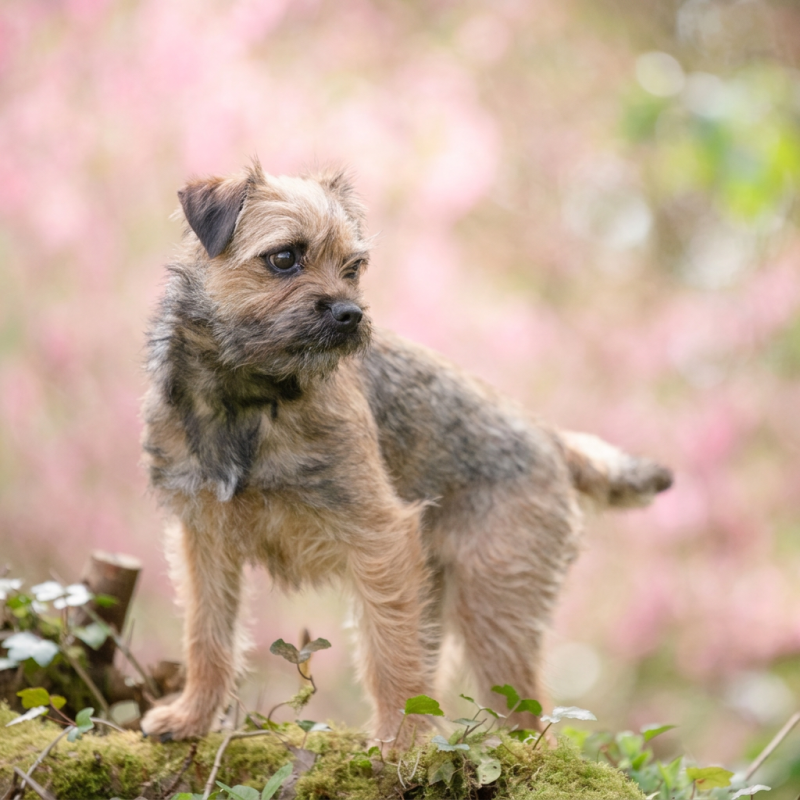
A small , solid and well-balanced terrier with an otter-like head , V-shaped ears and a harsh dirt-resistant outer coat over a soft undercoat. It should look alert , courageous and capable of running with hounds while remaining small enough to enter dens.
Border Terriers were bred with longer legs than many terriers so they could keep up with hounds , yet their small bodies still allowed them to go to ground after foxes.
Hip Dysplasia, Canine Epileptoid Cramping Syndrome, Legg-Calve-Perthes Disease, Progressive Retinal Atrophy, Hypothyroidism
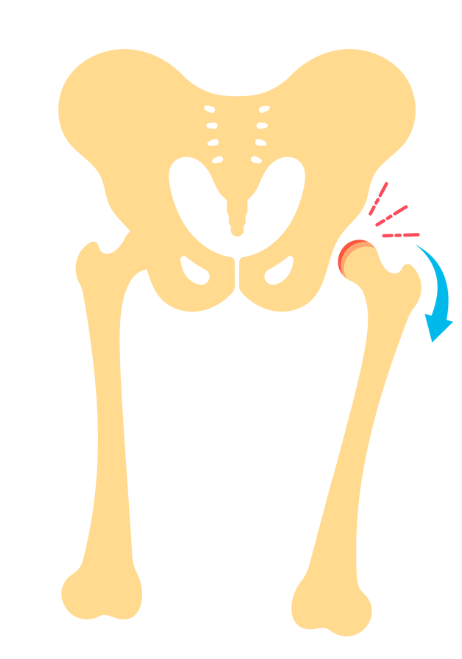
1. bunny-hopping gait , difficulty rising , exercise intolerance and hind-limb lameness may occur
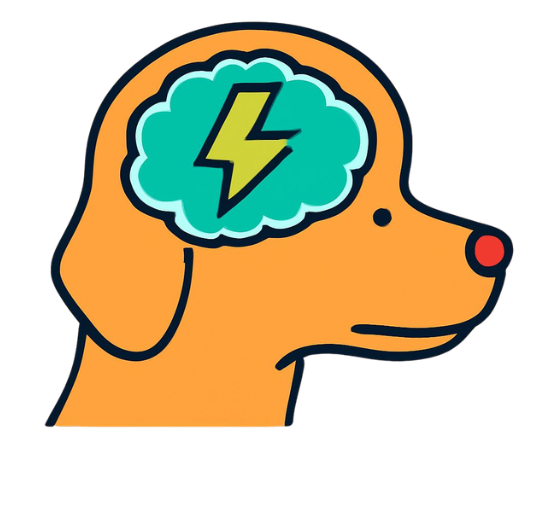
1. muscle tremors , involuntary cramping , arched back and inability to stand may occur
2. the dog usually remains conscious and responsive during episodes
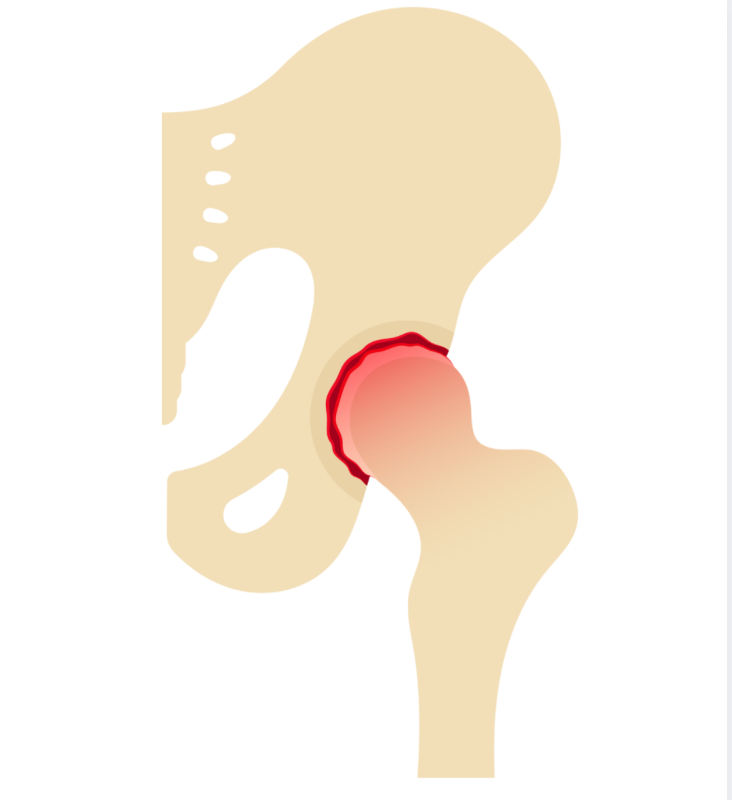
1. gradual hind-limb limping , muscle wasting and pain when extending the hip joint may occur
1. hesitation in dim lighting , dilated pupils , night blindness and eventual blindness may occur
1. lethargy , weight gain , hair loss , skin infections and cold intolerance may occur
1. typically manifests between 6 months and 2 years of age
1. moderate
1. often begins in young adulthood
2. typically between 1 and 4 years of age
1. breed-specific risk
2. hereditary and specifically associated with the Border Terrier
1. typically occurs during the puppy growth phase
2. between 5 and 12 months
1. moderate
2. a recognized risk in small terrier breeds
1. often presents in middle age
2. typically between 3 and 7 years of age
1. moderate
2. inherited as an autosomal recessive trait
1. typically is diagnosed in middle-aged dogs
2. generally between 4 and 8 years of age
1. moderate
2. the breed is predisposed to this condition
1. No specific missing chemical is identified in the provided material.
2. The illness is linked to genetic predisposition together with environmental factors such as rapid growth.
3. The text describes abnormal hip development rather than a lacking nutrient or compound.

1. Normal blood supply to the femoral head is lacking in affected dogs.
2. The provided material links this interruption to bone degradation and joint inflammation.
3. This can make the hip more vulnerable to pain , limping and reduced mobility.

1. No specific missing chemical is identified in the provided material.
2. The condition is linked to suspected genetic neurological dysfunction affecting how muscles receive signals from the nervous system.
3. The text describes abnormal signaling rather than a lacking nutrient or compound.
1. Normal photoreceptor support is lacking because genetic mutations affect the structure and maintenance of rods and cones.
2. The provided material links this degeneration to progressive retinal damage.
3. This can make affected dogs vulnerable to worsening vision loss and blindness.

+852 6358 3131
香港中環德輔道中84-86號章記大廈9樓01室
週一到週日,早上10點到下午9點
 +852 9160 8619
 +852 9160 8619