我們的服務
寵物護理服務
獸醫服務
其他
Length range : 81-102 cm
Height range : 53-69
Weight range : 20-39
Coat : Short|glossy|short-to-medium|close|smooth-looking
Life expectancy years : 11-14
Colors: blue ticked black and white|blue-gray|black spots|tan markings|predominantly black head and ears.
Activitity Level : High
Origin: United States
Similar Breeds : American English Coonhound|American Foxhound|Treeing Walker Coonhound|Bloodhound
Bluetick Coonhounds descend from French staghounds associated with gifts to George Washington and from English Foxhound-related stock. Originally classified as English Coonhounds , Bluetick breeders separated in 1945 to preserve a slower more resolute cold-nosed hound and the breed later gained AKC recognition in 2009.
sweet, affectionate, bold, single-minded on scent, independent, stubborn, mindful once trained, friendly, energetic
loyal, loving, affectionate, intelligent, active, smart, friendly, devoted, goofy, hardy, wary of strangers, very vocal
extensive daily mental stimulation, vigorous daily exercise, secure fenced area, leash in unconfined spaces, job or activity such as hunting , tracking , agility, companionship, weekly grooming, ear checks
prefers close companionship with people, may do well with older children, often enjoys other dogs, should be monitored around cats and small pets, can develop destructive behavior if left alone or bored
weekly brushing, occasional bath, check and clean ears weekly, moderate shedding, dental care needed, may retain a musty hound scent
high-quality age-appropriate complete diet, portion monitoring to avoid excess weight, adult dogs often eat two meals daily, puppies often benefit from three meals daily, slow-feeder strategies may help reduce bloat risk
vigorous daily workouts, long leashed walks, running, hiking, camping, hunting, field trials, agility, tracking, nose work, play in a secure yard
early socialization, consistent positive reinforcement, firm positive handling, obedience training, skills training, voice-training for baying, keeping training fun helps attention, off-leash freedom is not recommended
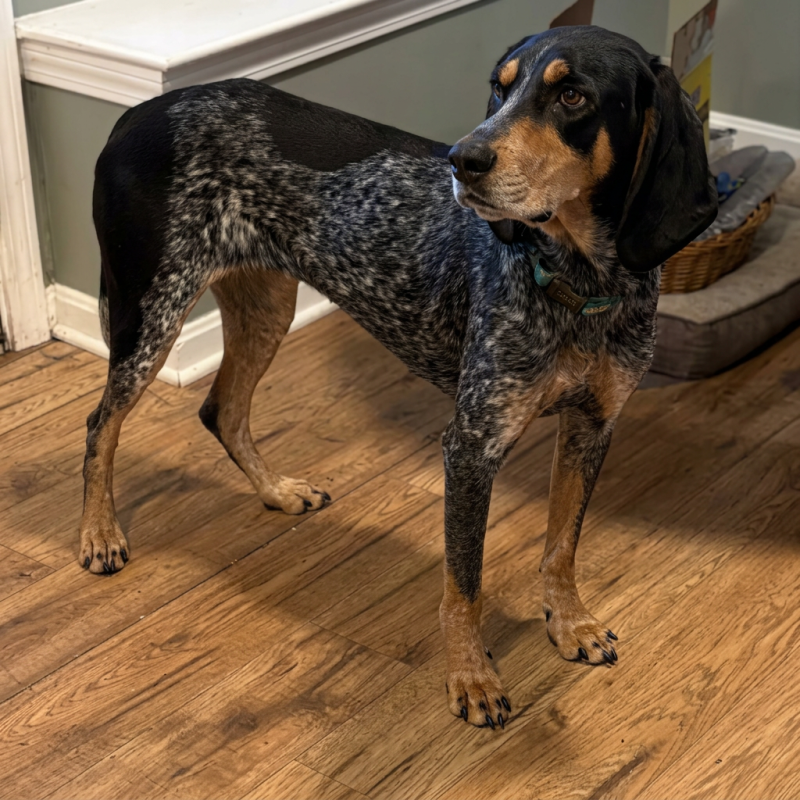
A speedy , well-muscled scenthound with a neat compact body , glossy blue-ticked coat , clear keen eyes and a strong hunting outline. The breed should appear athletic and resolute rather than clumsy with hound expression and functional movement.
Blueticks were shaped to follow older cold scents and have been part of Southern culture for decades including serving as the University of Tennessee mascot since 1953.
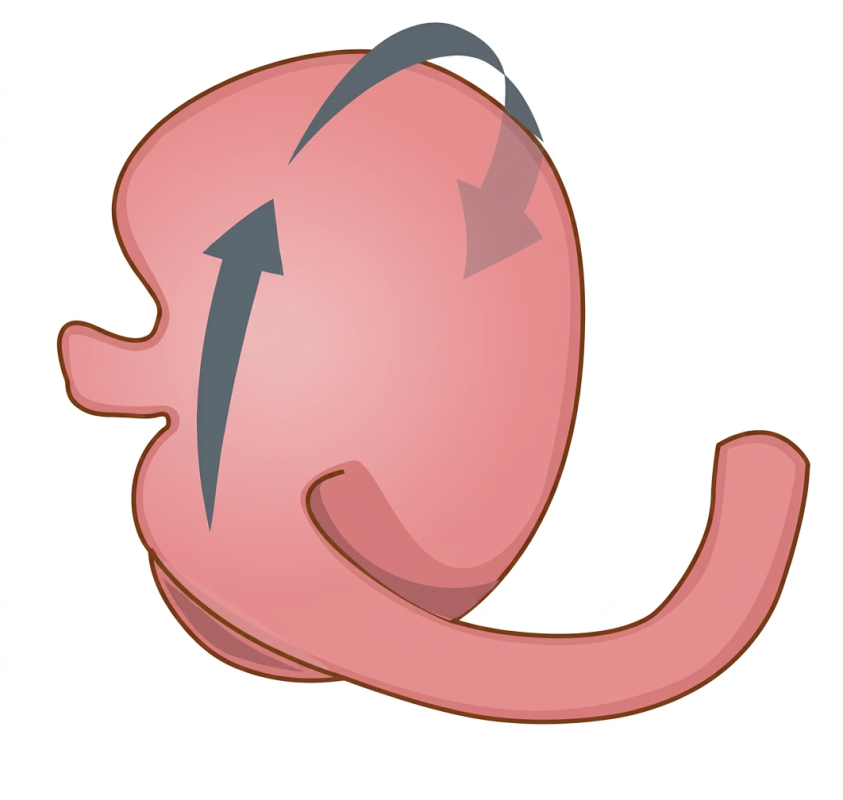
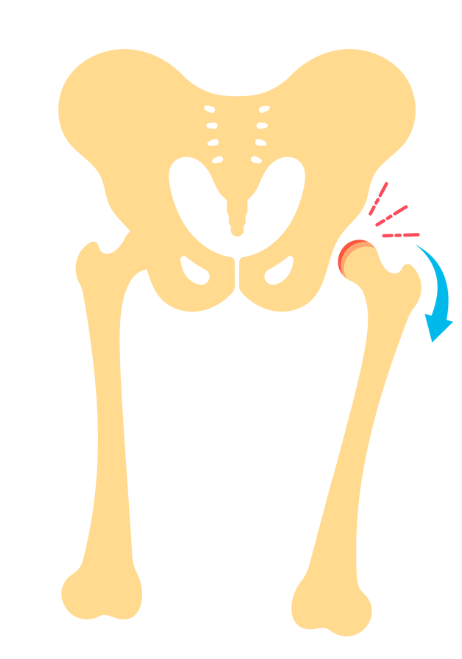
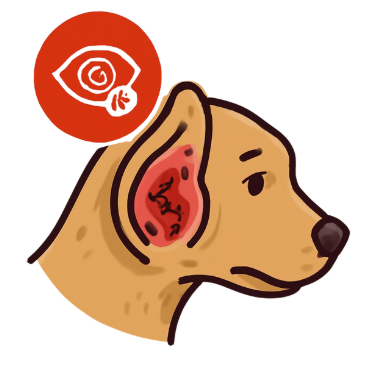
Gastric Dilatation-Volvulus, Hip Dysplasia, Coonhound Paralysis, Otitis Externa, Progressive Retinal Atrophy
1. unproductive retching / excessive drooling / distended rigid abdomen and restlessness may occur
2. pale gums and cardiovascular shock might develop rapidly
1. rear limb lameness / difficulty rising / bunny-hopping gait and reluctance to run or climb may occur
2. hindquarter muscle atrophy might develop
1. ascending hindlimb weakness / loss of spinal reflexes and voice changes may occur
2. weakness in all four limbs and respiratory failure might develop
1. head shaking / ear scratching / foul odor / dark waxy or purulent discharge may occur
2. redness and pain or vocalization when ears are handled might develop
1. night blindness / dilated pupils and increased eye reflectivity may occur
2. eventual total daylight blindness might develop
1. typically occurs in mature adults and seniors
2. often follows a large meal or rapid drinking
1. high
1. can emerge around 4 to 12 months in severe cases
2. more commonly appears as chronic stiffness in mature adults
1. moderate
1. typically develops 7 to 21 days after trigger exposure
2. can occur during adult life
1. breed-specific risk
1. can occur at any age
2. may become more frequent in humid , wet or brush-heavy conditions
1. high
1. often presents in young adulthood to middle age
2. commonly between 3 and 6 years depending on the genetic variation
1. low to moderate
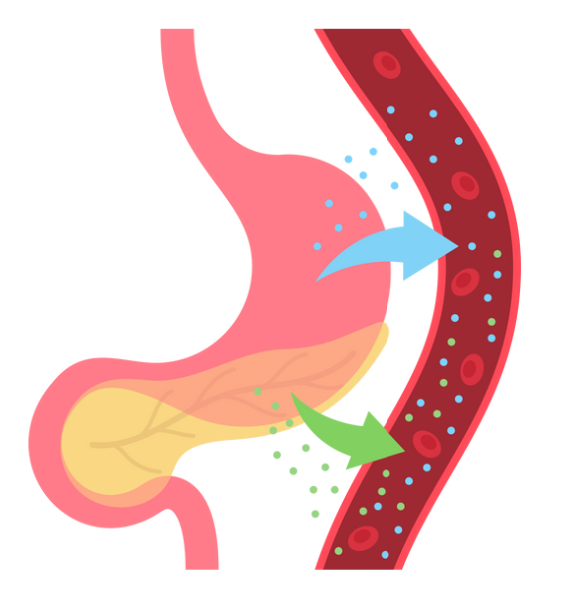
1. no specific missing chemical is identified because this is linked to deep and narrow chest structure that allows the stomach to swing and twist when heavily filled with gas or food
2. the condition reflects anatomical vulnerability rather than a missing nutrient or compound

1. protective immune tolerance to a triggering antigen is lacking as the illness is linked to an immune-mediated hypersensitivity reaction against peripheral nerves after contact with raccoon saliva antigen
2. this can make nerve roots vulnerable and lead to progressive paralysis

1. no specific missing chemical is identified because this is linked to complex polygenic inheritance with worsening from rapid growth and high-impact exercise during skeletal development
2. this reflects structural joint instability rather than a chemical deficiency
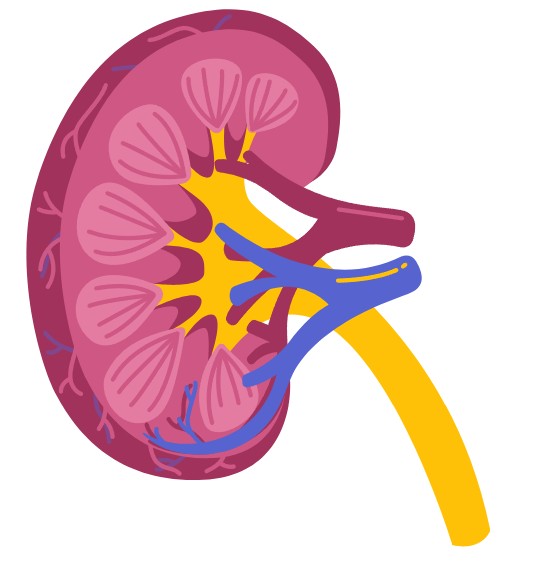
1. no specific missing chemical is identified because this is linked to trapped moisture and debris within long heavy ears that create an ideal setting for bacteria and Malassezia yeast
2. this reflects an anatomical and environmental microclimate rather than a missing nutrient

+852 6358 3131
香港中環德輔道中84-86號章記大廈9樓01室
週一到週日,早上10點到下午9點
 +852 9160 8619
 +852 9160 8619