我們的服務
寵物護理服務
獸醫服務
其他
Length range : 28-43 cm
Height range : 18-28cm
Weight range : 2-4kg
Coat : Long|silky|straight|single coat|flowing drop coat|parts down the middle|tri-colored piebald|ponytail on head|luxurious tail plume
Life expectancy years : 12-16
Colors: blue , black|gold , tan|white|black , tan , white|blue , tan , white|chocolate , tan , white
Activitity Level : Moderate
Origin: Germany
Similar Breeds : Yorkshire Terrier|Maltese|Havanese|Silky Terrier
The breed began in Germany in 1984 with tricolor puppies from Yorkshire Terrier lines and later underwent genetic study in the United States that helped establish it as a distinct purebred breed. It was introduced into the United States in 2003 and gained AKC recognition in 2021.
fun-loving|childlike|lighthearted|whimsical|friendly|social|devoted|alert
affectionate|intelligent|loyal|devoted|playful|whimsical|lighthearted|obedient|mischievous|social
regular social engagement|near-daily grooming|daily or frequent brushing|playtime|daily walks|positive training|toy-breed safety|routine dental care
thrives on human interaction|very social with family|quickly makes friends with animals and people|does not like being alone for long periods|can fit family and apartment life
brush and comb every day or two for drop coat|weekly bathing recommended|short puppy cut can reduce maintenance|trim feet , paw pads , ears and sanitary areas|maintain ponytail|professional grooming may help|very little shedding
small-breed food|AAFCO-compliant diet|life-stage appropriate feeding|quality diet important|puppies should eat three to four times daily|adults usually twice daily|supplements only with veterinary guidance
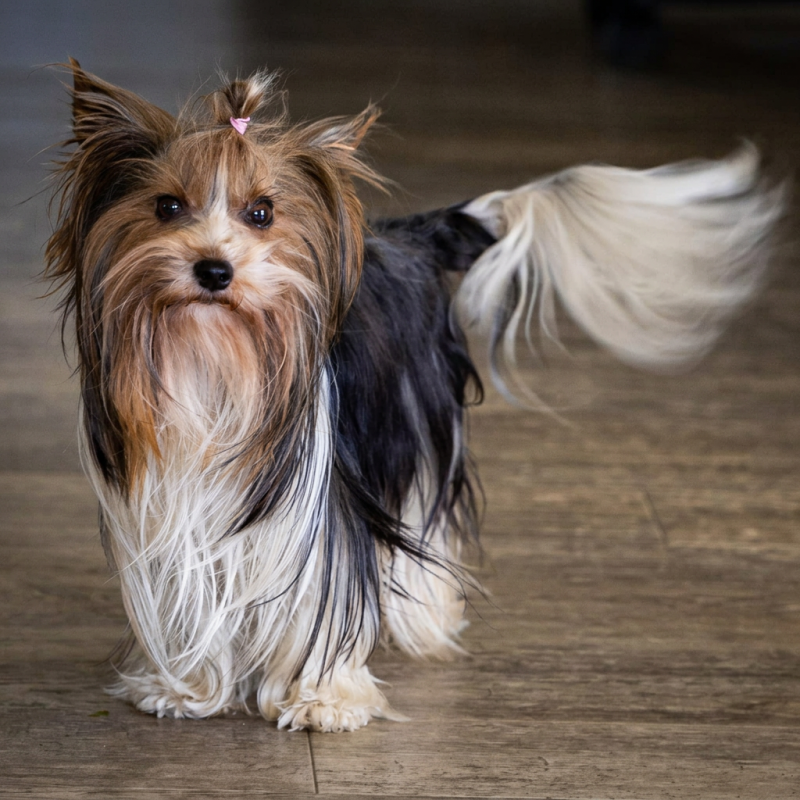
Elegant longhaired uniquely colored toy terrier with a centered part and straight coat hanging evenly on both sides. Height is 7 to 11 inches and weight is 4 to 8 pounds with a level back , square-appearing outline , upright ears , dark eyes and a high set tail with long plume carried arched over the body.
The Biewer Terrier is one of the first breeds established as a distinct purebred with the help of modern genetic science and is pronounced like beaver. Despite toy size , it can excel in agility , rally , trick work and travel easily with owners.
Patellar Luxation, Tracheal Collapse, Portosystemic Shunt, Hypoglycemia, Dental Disease
1. sudden skipping step , hind-leg limping , carrying a hind limb aloft and bow-legged stance may occur
2. progressive joint stiffness might develop
1. harsh dry goose-honk cough , exercise intolerance , coughing with excitement and distress when pulling on a collar may occur
2. fainting might occur in severe cases
1. stunted growth , poor muscle tone , lethargy , vomiting and diarrhea may occur
2. head pressing , pacing , wall-staring and seizures might appear especially after high-protein meals
1. weakness , severe lethargy , wobbliness , glassy eyes , tremors and shivering may occur
2. seizures or coma might develop if unaddressed
1. bad breath , tartar buildup , red swollen or bleeding gums may occur
2. loose teeth , reluctance to chew and rubbing at the mouth might develop
1. may emerge around 4 to 6 months of age
2. may worsen in severity as the dog ages
1. high
1. may appear at any adult stage
2. commonly becomes prominent between 4 and 8 years of age
1. moderate
1. is typically diagnosed between 6 months and 2 years of age
1. moderate
1. is most often seen in toy puppies under 4 to 6 months of age
2. may also occur during stress , cold exposure , missed meals or intense exertion
1. moderate
1. early signs can appear by 1 to 2 years of age when preventive home care is absent
1. very high
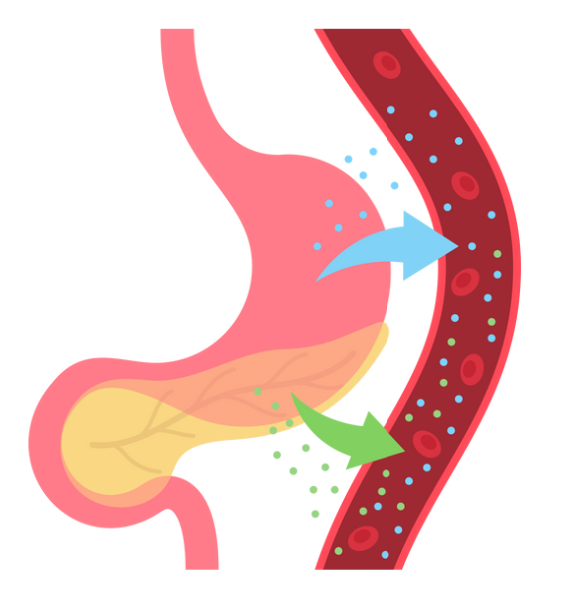
1. No specific missing chemical is identified in the provided material.
2. The disorder is linked to a heritable flat femoral groove , quadriceps misalignment or ligament laxity.
3. The text connects the illness to congenital structural weakness rather than a nutrient lack.

1. No specific missing chemical is identified in the provided material.
2. The condition is linked to an abnormal vessel development that bypasses normal liver filtration.
3. The text describes toxin and ammonia circulation as the result of vascular malformation rather than nutrient deficiency.

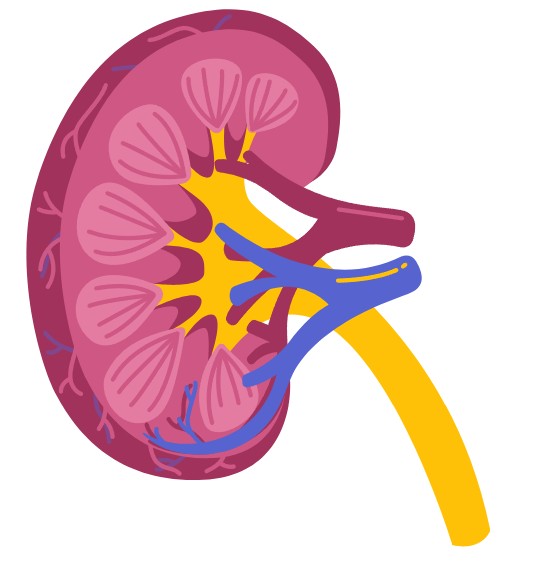
1. Essential glycosaminoglycans and glycoproteins in the tracheal rings may be deficient.
2. The text links this lack to weakening of the tracheal cartilage matrix under normal respiratory pressure.
3. That weakening may allow airway flattening and narrowing during breathing.
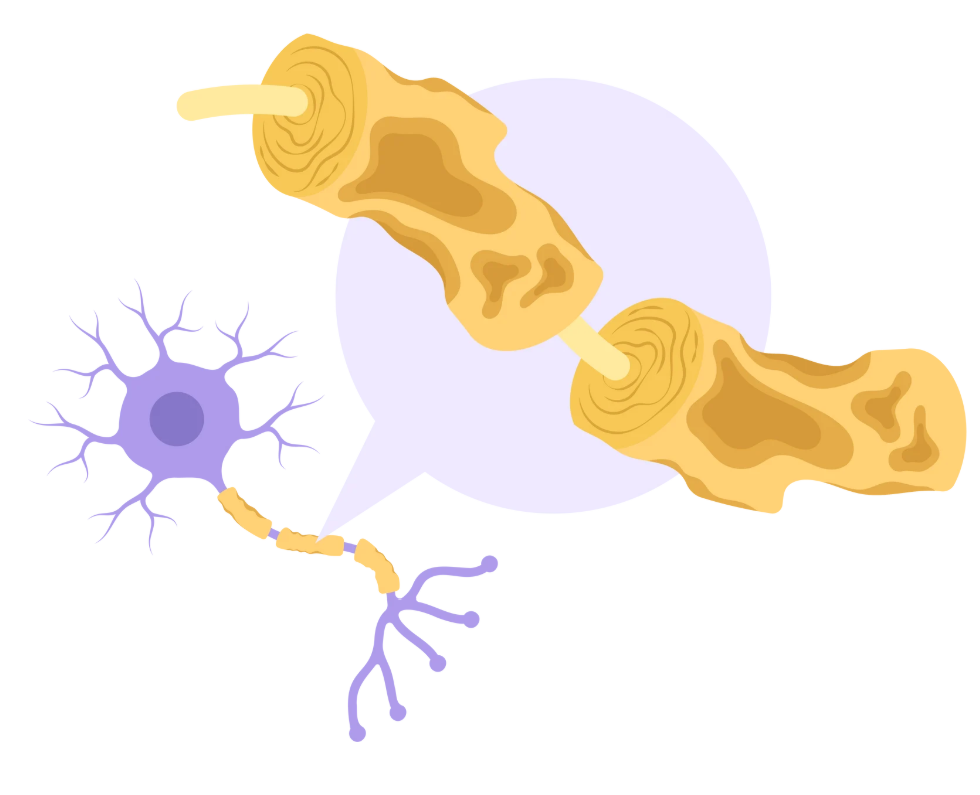
1. Emergency glucose availability may be lacking when blood sugar drops rapidly.
2. Limited glycogen reserves in the liver and muscles are described in tiny puppies.
3. An immature metabolic response may make them vulnerable during fasting , stress or exertion.

+852 6358 3131
香港中環德輔道中84-86號章記大廈9樓01室
週一到週日,早上10點到下午9點
 +852 9160 8619
 +852 9160 8619