我們的服務
寵物護理服務
獸醫服務
其他
Length range : 84-97 cm
Height range : 56-66cm
Weight range : 18-29kg
Coat : Long|double coat|thick|straight abundant guard hairs|weatherproof|black mask|heavier neck furnishings especially in males
Life expectancy years : 10-14
Colors: fawn|mahogany|red|grey|cream|fawn black mask|fawn black overlay|red black mask|grey black mask
Activitity Level : Very Active
Origin: Belgium
Similar Breeds : Belgian Sheepdog|Belgian Malinois|Belgian Laekenois|German Shepherd|Dutch Shepherd
Belgian shepherd dogs of this type trace back in Belgium to the Middle Ages and were refined through formal classification after the first breed club formed in 1891. The Belgian Tervuren developed as one of four Belgian shepherd coat varieties and became valued as a general-purpose farm herder , guard and later as a police , armed services , search and rescue and therapy dog.
smart|courageous|energetic|friendly|watchful|protective|wary of strangers|obedient
highly intelligent|energetic|watchful|loyal|affectionate with loved ones|self-assured|alert|versatile|trainable|wary
significant daily exercise|mental stimulation|challenging play|regular family inclusion|confident leadership|outdoor space
forms strong family bonds and should not be isolated|good with children if socialized|may overwhelm little ones because of high energy|wary with strangers
regular combing and brushing|trim mats|extra brushing during coat blow once or twice yearly|light year-round shedding|brush a few times a week
N/A
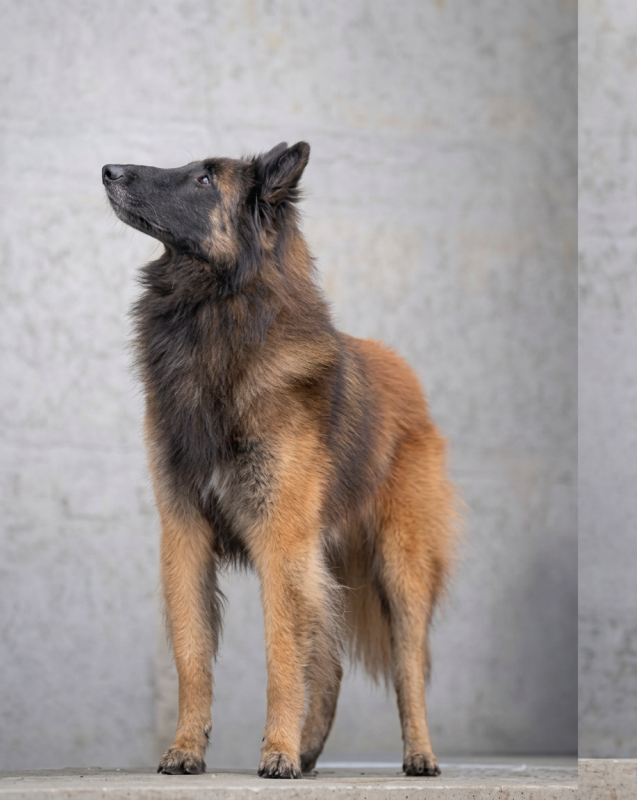
Versatile herding and armed services dog with four distinct Belgian shepherd coat types. The Tervuren should appear alert , elegant and naturally balanced with a moderately long coat in red , fawn or grey tones with black overlay and mask.
The Belgian Tervuren is one of four Belgian shepherd varieties and remains relatively uncommon in the United States despite being well established. Its versatility has taken it from farm work to obedience , agility , therapy , search and rescue and law enforcement roles.
Epilepsy, Hip Dysplasia, Progressive Retinal Atrophy, Elbow Dysplasia, Gastric Dilatation-Volvulus
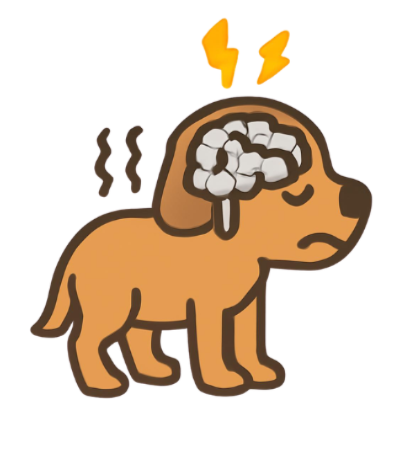
1. sudden muscle rigidity , paddling of limbs , jaw snapping , excessive salivation and loss of consciousness may occur
2. involuntary urination or defecation and temporary confusion , pacing or blindness might follow
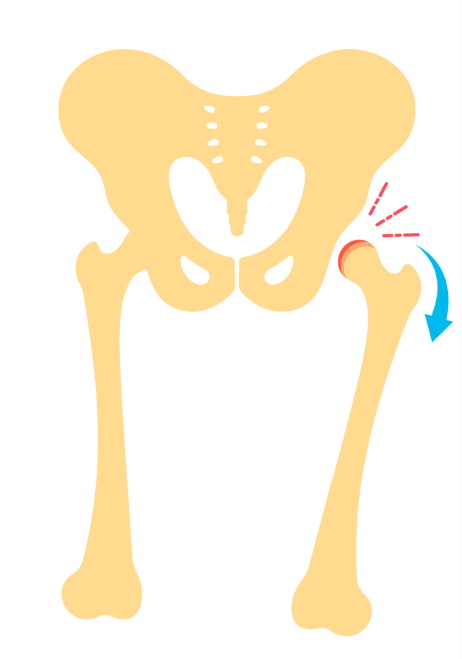
1. hind limb lameness , stiffness after rest , bunny-hopping gait and reluctance to jump or climb stairs may occur
2. muscle atrophy in the hindquarters might develop
1. loss of night vision , hesitancy in the dark , progressive pupil dilation and hyper-reflective eyes may occur
2. gradual daytime vision loss and blindness might develop
1. forelimb lameness that may worsen after exercise , outward paw rotation , elbow swelling and painful restricted motion may occur
2. abnormal elbow angle might be noticed
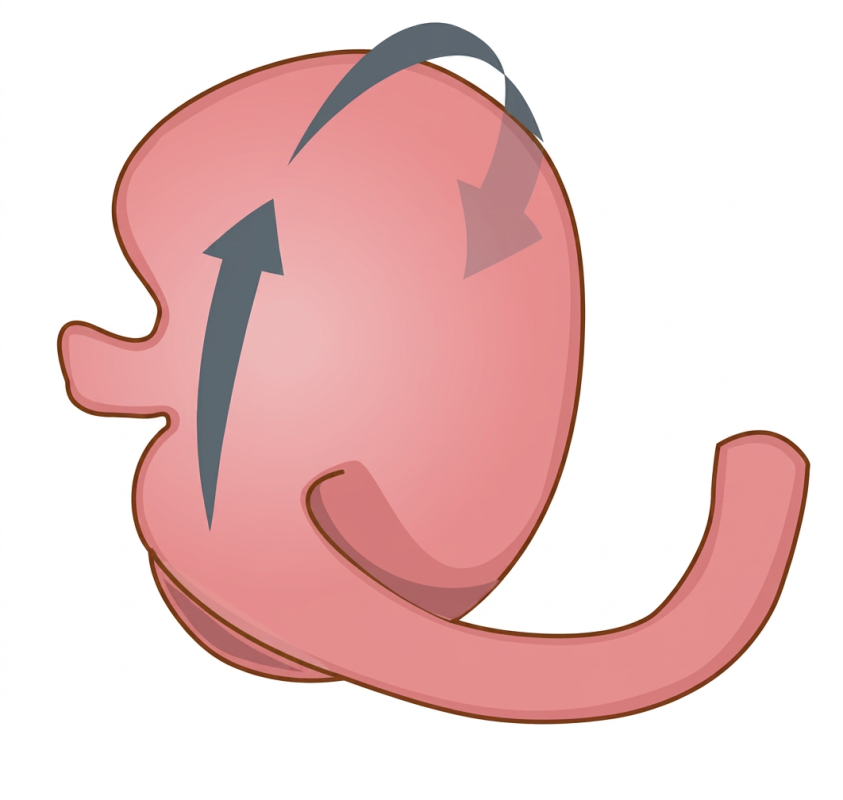
1. unproductive retching , hard swollen abdomen , extreme restlessness , pacing and hypersalivation may occur
2. pale mucous membranes , rapid shallow breathing and shock might develop
1. typically may manifest between 1 and 5 years of age
1. moderate probability due to breed-specific heritable risk similar to other Belgian Shepherd varieties
1. severe juvenile cases may present between 4 and 12 months
2. many cases might manifest later as progressive osteoarthritis in mature and senior dogs
1. moderate probability and notes hip evaluations and breeding clearances are a major focus
1. typically may become clinically observable between 3 and 7 years of age
1. moderate probability with genetic screening and annual ophthalmic evaluations recommended
1. early clinical signs may emerge during rapid growth between 5 and 10 months of age
1. moderate probability and notes elbow clearance alongside hip evaluation for breeding stock
1. may occur acutely in adulthood
2. risk might increase in middle-aged and senior dogs especially around large meals or heavy water intake near intense activity
1. moderate probability due to deep-chested and relatively narrow conformation
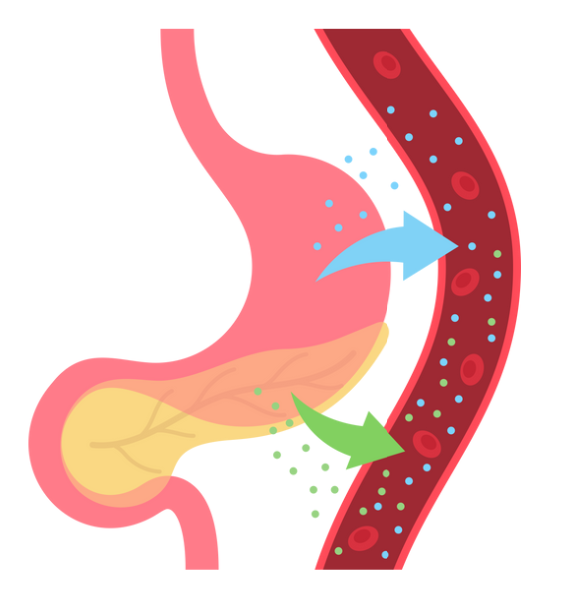
1. the text indicates the normal balance of excitatory and inhibitory neurotransmitters within the cerebral cortex may be altered.
2. No specific dietary chemical deficiency is identified in the provided material.
3. The content suggests a complex polygenic trait affecting brain signaling may be involved.

1. no specific missing chemical is identified and the content points to an autosomal recessive mutation.
2. The text suggests normal metabolic function and cellular survival within retinal tissue may be impaired.
3. It indicates progressive retinal cell degeneration rather than a simple nutrient lack.

1. no specific missing chemical is identified and the disorder is described as a developmental orthopedic condition.
2. The text suggests excessive caloric intake , calcium oversupplementation and high-impact exercise during growth may worsen the inherited problem.
3. It indicates a structural joint disorder rather than a defined nutrient deficiency.
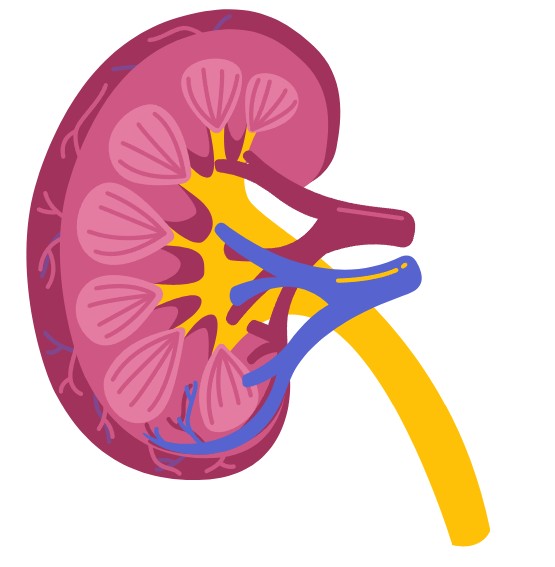
1. no specific missing chemical is identified in the provided material.
2. The text suggests incongruity in growth rates between the radius and ulna may create abnormal stress and micro-fractures.
3. It indicates a heritable developmental joint problem rather than a defined chemical deficiency.

+852 6358 3131
香港中環德輔道中84-86號章記大廈9樓01室
週一到週日,早上10點到下午9點
 +852 9160 8619
 +852 9160 8619