我們的服務
寵物護理服務
獸醫服務
其他
Length range : 76-89 cm
Height range : 56-66cm
Weight range : 18-34kg
Coat : Long|straight|double coat|dense undercoat|harder shiny guard hairs|weather-resistant
Life expectancy years : 10-14
Colors: black|solid black|fawn|sable
Activitity Level : Very Energetic
Origin: Belgium
Similar Breeds : Belgian Tervuren|Belgian Malinois|Belgian Laekenois|Dutch Shepherd|German Shepherd
The Belgian Sheepdog descends from Belgian shepherd dogs of the late 19th century and became associated with the long black-coated Groenendael lines. Belgian shepherd clubs formed in 1891 and early judges identified square , medium-sized shepherd dogs differing mainly in coat type and color. The breed served as a herder , guard , police dog , messenger , sentry and draft dog including during World War I. AKC recognized Belgian coat varieties together in 1912 and separated Belgian Sheepdog , Belgian Tervuren and Belgian Malinois into distinct AKC breeds in 1959.
smart|courageous|energetic|friendly|protective|reserved with strangers|obedient|watchful
intelligent|alert|sensitive|devoted|protective|energetic|people-oriented|quick learner|enthusiastic|confident
ample daily exercise|mental stimulation|human companionship|early socialization|firm positive guidance|space to move
people-oriented and unsuitable for neglect|can do well with children if raised with them|may be uneasy with strangers or other animals without socialization
weekly to twice-weekly brushing|daily brushing during heavy shedding periods|bath when dirty or after messy outings|regular nail care|ear cleaning once or twice monthly|coat can mat if neglected
high-quality complete and balanced AAFCO-aligned diet|age-appropriate feeding|twice-daily adult meals|puppies often three meals daily|supplements generally not needed unless vet recommends them
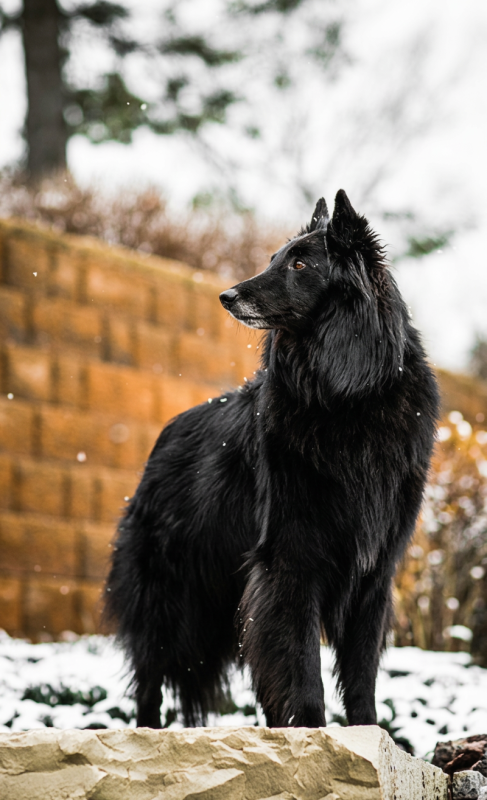
An elegant , natural , medium-sized and square dog with a long straight black coat , dense undercoat , pricked ears and a proud carriage. The breed should appear hardy , balanced , agile and built for endurance with no exaggeration.
The Belgian Sheepdog is also known as the Groenendael and was used in World War I as a messenger , sentry , ambulance and draft dog. Piccard D’Uccle is considered by many to be the father of the breed.
Epilepsy, Progressive Retinal Atrophy, Hip Dysplasia, Gastric Dilatation-Volvulus, Hypothyroidism
1. muscle rigidity , violent paddling , jaw snapping , excessive salivation and loss of consciousness may occur
2. temporary post-seizure disorientation or pacing might appear
1. early night vision loss , bumping into objects in the dark , dilated or hyper-reflective pupils may occur
2. eventual loss of daytime vision might develop
1. hind limb lameness , bunny-hopping gait , stiffness after rest and reluctance to jump or climb stairs may occur
2. localized muscle atrophy in the hindquarters might develop
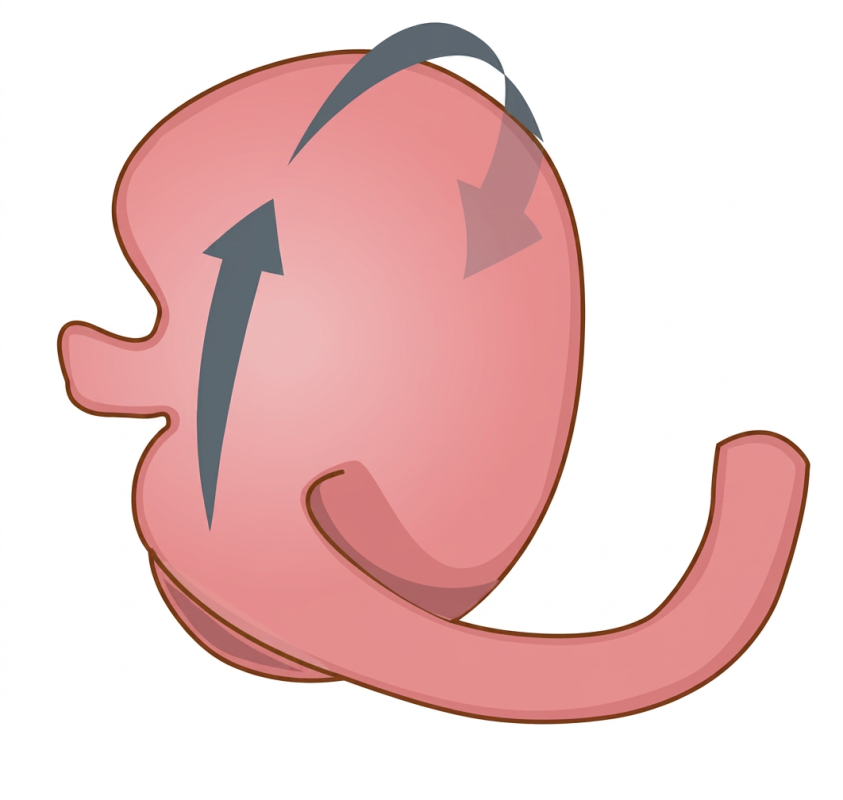
1. unproductive retching , hard or swollen abdomen , intense restlessness , pacing and hypersalivation may occur
2. rapid breathing and signs of cardiovascular shock might develop
1. unexplained weight gain , profound lethargy , bilateral symmetrical hair loss and dry brittle coat may occur
2. recurrent skin infections might develop
1. typically may manifest between 1 and 5 years of age
2. PetMD also indicates it is often first noticed between 2 and 3 years
1. moderate probability with heritable predisposition in Belgian Shepherd lines
1. typically may become clinically noticeable between 3 and 7 years of age
1. moderate probability and notes DNA screening and annual ophthalmic clearance
1. severe juvenile cases may emerge between 4 and 12 months
2. many cases might present later as adult or senior osteoarthritis
1. moderate probability and notes OFA or PennHIP breeding clearances
1. may occur in adulthood and risk might escalate in mature and senior dogs especially around meals and exercise
1. moderate probability because of deep-chested narrow-waisted conformation
1. most commonly may be diagnosed between 2 and 6 years of age
1. moderate probability as a tracked autoimmune and endocrine concern
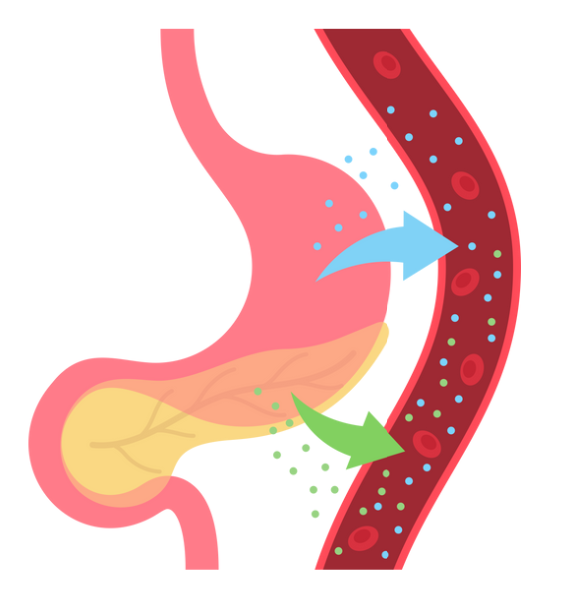
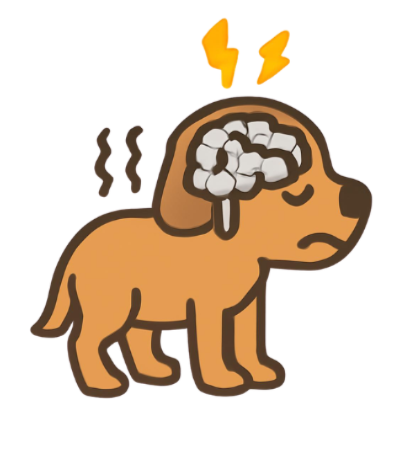
1. the text indicates the standard chemical balance and electrical neurotransmitter pathways in the cerebral cortex may be disrupted.
2. No single missing nutrient is identified in the provided material.
3. The content suggests a complex polygenic heritable trait affecting brain signaling may be involved.

1. no specific chemical lack is indicated and the text describes a developmental orthopedic mismatch in the hip joint.
2. The content suggests rapid growth , high-impact exercise and overnutrition may aggravate the inherited problem.
3. It indicates the disorder is structural and polygenic rather than caused by a defined missing compound.

1. no specific chemical deficiency is identified and the content points to an autosomal recessive mutation.
2. The text suggests retinal metabolic survival and cellular health may be impaired.
3. It indicates progressive photoreceptor degeneration may occur rather than a dietary lack.
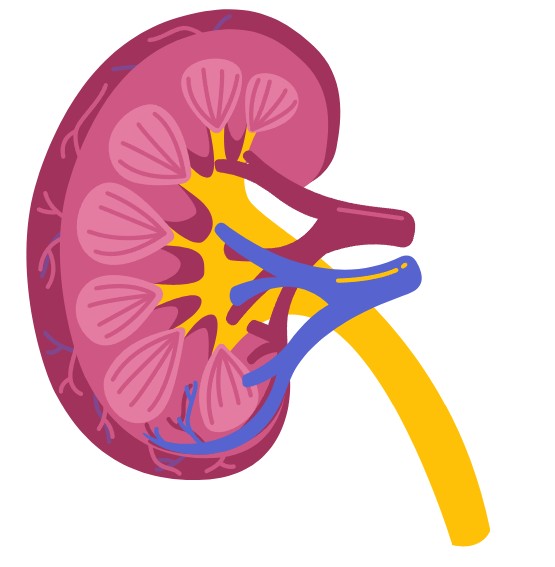
1. no specific chemical deficiency is indicated in the provided material.
2. The text suggests anatomy and feeding or stress behaviors may create the major risk.
3. It indicates gas and fluid distention with twisting may occur without any stated missing nutrient.

+852 6358 3131
香港中環德輔道中84-86號章記大廈9樓01室
週一到週日,早上10點到下午9點
 +852 9160 8619
 +852 9160 8619