我們的服務
寵物護理服務
獸醫服務
其他
Length range : 81-91 cm
Height range : 51-56cm
Weight range : 18-27kg
Coat : Long shaggy double coat covering the body from head to tail
Life expectancy years : 10-15
Colors:
Activitity Level : High
Origin: United Kingdom
Similar Breeds : N/A
The Bearded Collie originated in Scotland as a droving and sheep-herding dog used by shepherds. The breed was developed to be hardy , reliable and capable of working in difficult weather and over rough ground , later becoming a popular family companion , working dog and show dog.
even-tempered|alert|lively|self-confident|friendly|boisterous
friendly|energetic|playful|affectionate|alert|intelligent|self-confident|gentle|even-tempered
needs experienced ownership|high grooming commitment|daily activity|mental stimulation|regular veterinary care|weight management
thrives on social interaction|patient with children and family members|adapts to many households
daily brushing to prevent matting and skin problems|regular baths|routine checks for skin irritation or infection|regular dental care
high-quality balanced diet for life stage|portion control to avoid obesity|treats should stay limited|diet should support healthy weight and activity
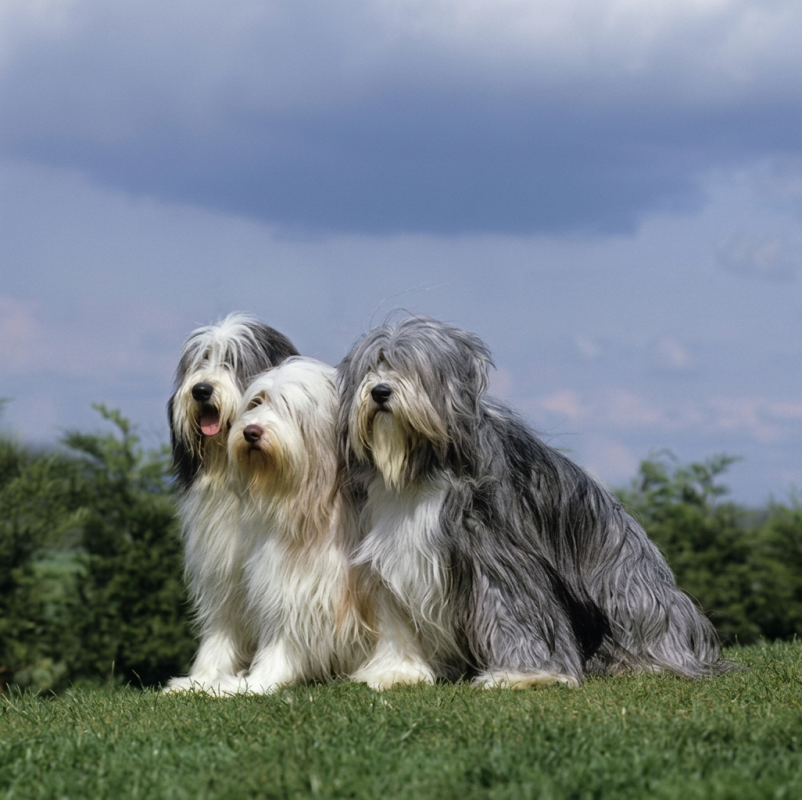
A medium-sized , lean , solidly built herding dog with an efficient , supple gait and shaggy coat. The breed should appear athletic , balanced and capable of covering ground with elegance and grace while retaining a calm , level-headed working temperament.
The Bearded Collie was bred by Scottish shepherds to withstand harsh conditions and tough sheep. Despite the profuse coat , the breed is known for agile movement and a lively playful nature that can last well into old age.
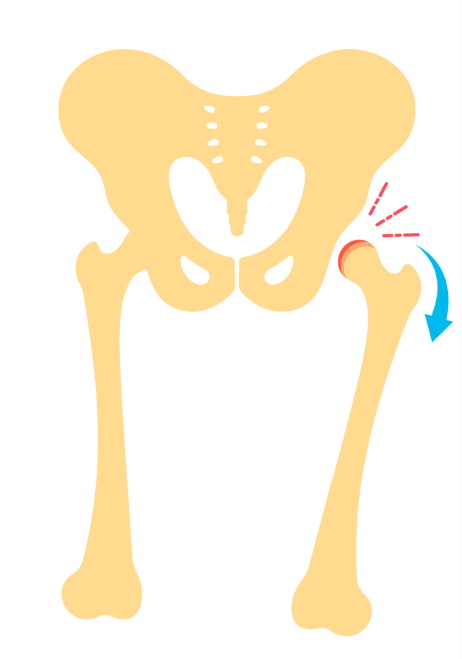
Hip Dysplasia, Hypoadrenocorticism, Hypothyroidism, Symmetrical Lupoid Onychodystrophy, Eye Disorders
1. limping , bunny-hopping gait , stiffness when rising and reluctance to climb stairs or jump may occur
2. muscle loss in the hindquarters might appear
1. lethargy , frequent vomiting or diarrhea , poor appetite and unexplained weight loss may occur
2. shaking and increased thirst or urination might be seen
1. unexplained weight gain , severe lethargy and seeking warmth may occur
2. symmetrical hair loss , dull brittle coat and skin problems might appear
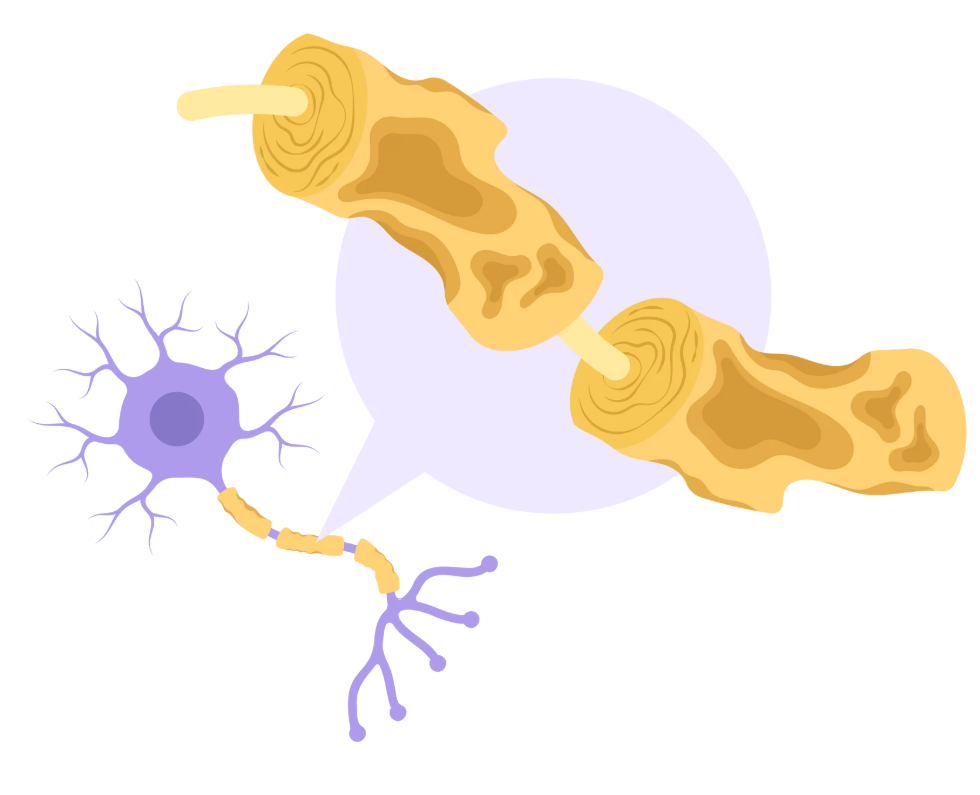
1. sudden paw licking , severe pain when walking and split or loose nails may occur
2. nails may lift and shed leaving raw painful quicks exposed to infection
1. CEA may have no obvious external symptoms and might cause blind spots
2. PRA may begin with night blindness , dilated pupils and eventual blindness
1. severe developmental cases may show from 4 to 12 months
2. more commonly it may develop as chronic stiffness into adulthood or senior years
1. moderate probability with reduced incidence where ethical breeders use hip scoring
1. typically may occur between 2 to 6 years old
1. moderate to high probability relative to other breeds due to a documented predisposition
typically may manifest between 2 to 6 years of age
relatively high for this breed compared with the general dog population
1. typically may manifest between 2 to 6 years of age
1. low to moderate probability but relatively high for this breed compared with the general dog population
1. CEA may be present at birth and detected at 6 to 8 weeks
2. PRA may slowly develop between 3 to 7 years old
1. low probability today because DNA screening may reduce cases though recessive genes may remain active
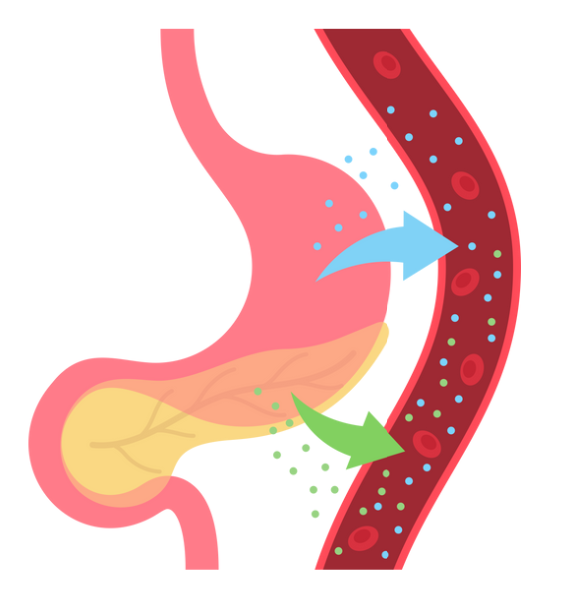
1. no specific chemical lack is indicated and the text suggests inherited joint malformation with environmental aggravation

1. thyroid hormone may be lacking due to underactive thyroid function

1. cortisol and aldosterone may be lacking because adrenal hormone production is deficient
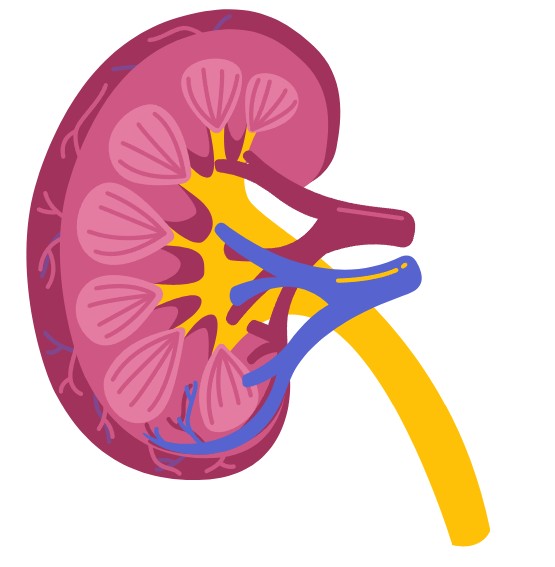
1. no specific missing chemical is indicated and the text suggests an autoimmune attack on the claw matrix

+852 6358 3131
香港中環德輔道中84-86號章記大廈9樓01室
週一到週日,早上10點到下午9點
 +852 9160 8619
 +852 9160 8619