我們的服務
寵物護理服務
獸醫服務
其他
Length range : 51-64 cm
Height range : 33-41cm
Weight range : 8-13.5kg
Coat : Short|smooth|dense|weather-resistant double coat
Life expectancy years : 12-14
Colors: black|tan|white|lemon|red and white|tricolor|any true hound color.
Activitity Level : High
Origin: United Kingdom
Similar Breeds : Basset Hound|Foxhound|Harrier|Bloodhound|American Foxhound
The Beagle has existed for hundreds of years and is associated with hunting hounds used in England , Wales , and France. Sources indicate roots that may go back to Roman hunting dogs and note the breed became popular in Britain in the 1800s. The Beagle Club was established in 1890 and the breed later became widely known as both a rabbit-hunting dog and a household companion.
even-tempered|friendly|easygoing|playful|food-motivated|independent|highly social
friendly|affectionate|loyal|curious|fun-loving|easygoing|intelligent|social|can be stubborn and vocal
daily exercise|nose-work and scent games|secure fencing|leash use outdoors|regular ear care|weight management|companionship|basic grooming
bred to hunt in packs and prefers company|good with children and other pets|may howl or become destructive if left alone too long|does better with companionship
weekly brushing|occasional bathing|regular ear checks and cleaning|regular tooth brushing|nail clipping as needed|short coat with minimal grooming
balanced complete diet|fresh clean water always available|calorie control is important because the breed may gain weight easily|split puppy meals into three meals until 6 months then two meals daily|avoid fatty snacks and human foods|adult diets may support weight , digestion , skin and joints

Small-to-medium scent hound with compact muscular body , domed skull , squarish muzzle , broad nose , long drooping ears , deep chest , straight topline , short dense coat , and two size varieties under 33 cm and 33-38 cm at the shoulder
Along with the Bloodhound and Basset Hound the Beagle is noted for having one of the best-developed senses of smell among dog breeds. The breed is also famous as Snoopy and has been used as a detection dog.
Ear infections, Epilepsy, Intervertebral Disk Disease, Cherry eye and glaucoma, Obesity
1. head shaking and ear scratching may occur
2. foul or musty odour , brown waxy or yellow discharge , redness , swelling and pain may develop
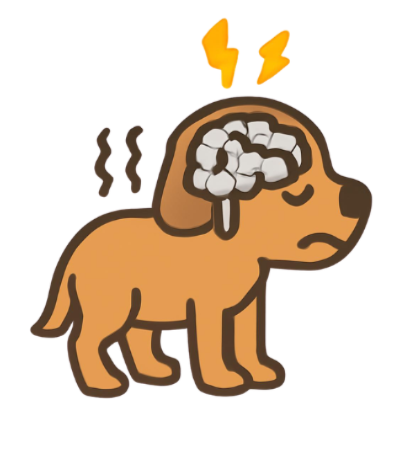
1. seizures may include collapse , tremors , rigid or paddling limbs and excessive salivation
2. confusion , dazed behaviour , vocalisation and post-seizure wobbliness may occur
1. pain , yelping when moved , reluctance to jump or use stairs and weak wobbly legs may appear
2. knuckling , paralysis and bladder or bowel dysfunction might develop
1. a red swelling in the eye corner may appear with cherry eye
2. glaucoma may cause cloudy or bluish cornea , bulging eye , redness , tearing and signs of severe pain
1. ribs may be hard to feel and the waist may disappear
2. sagging belly , lethargy , panting with mild exertion and difficulty jumping may occur
1. may begin in puppyhood and can become recurrent throughout life
1. recurrent ear infection risk may be high because long floppy ears create a warm moist environment
1. episodes commonly begin from around 6 months and may occur between 6 months and 6 years
2. some text indicates first onset may often be between 18 months and 5 years
1. the breed is described as commonly susceptible and at higher risk than some dogs
2. one provided text indicates prevalence of 1.37%
1. degeneration in chondrodystrophic dogs may begin between 2 months and 2 years
2. clinical episodes are often noted in young to middle-aged dogs around 3-6 years
1. long body , short legs and chondrodystrophic predisposition may increase risk and the condition is described as prevalent
1. cherry eye usually starts before 1 year or under 2 years of age
2. glaucoma may develop in middle age around 3-7 years
1. eye issues are recognized breed predispositions and recurrence after cherry eye surgery may be high
1. may begin from 6-12 months if calorie intake is excessive and remains a lifelong risk
1. risk may be very high because the breed is food-motivated and prone to weight gain
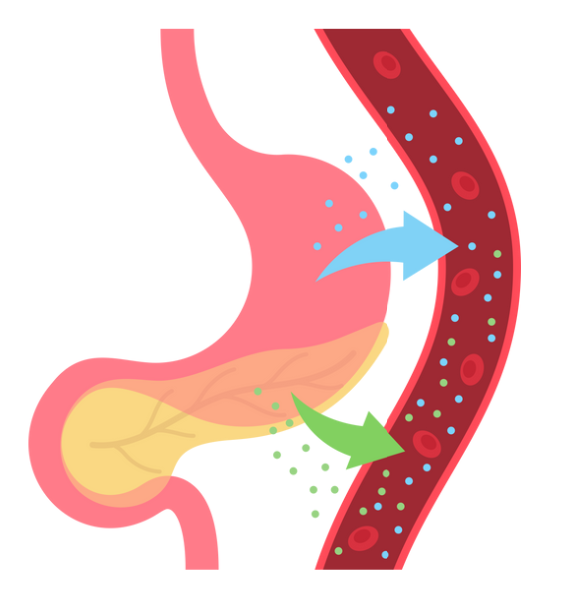
1. the text indicates this is mainly a structural ventilation and moisture problem rather than a chemical lack
2. disrupted ear canal pH and microbiome may contribute

1. the text indicates this is a biomechanical disc disorder and not primarily a nutritional lack
2. loss of water-retaining disc components may occur

1. the text indicates abnormal electrical activity and neurotransmitter imbalance may be involved rather than a daily deficiency
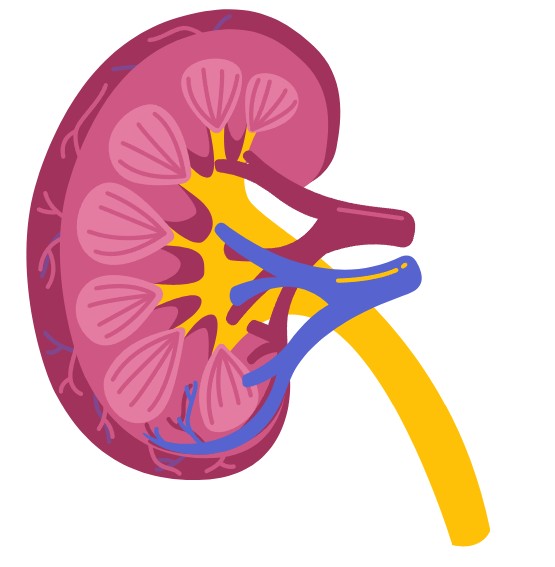
1. the text indicates these are structural disorders rather than chemical deficiencies

+852 6358 3131
香港中環德輔道中84-86號章記大廈9樓01室
週一到週日,早上10點到下午9點
 +852 9160 8619
 +852 9160 8619