我們的服務
寵物護理服務
獸醫服務
其他
Length range : 71-86 cm
Height range : 43-53cm
Weight range : 18-28kg
Coat : short|dense|glossy|smooth|close-fitting
Life expectancy years : 10-13
Colors: red-brown|red-grey|pale yellow|tan|deep red|deer red|brown|red with black mask.
Activitity Level : High
Origin: Germany
Similar Breeds : Bloodhound|Hanoverian Hound|Beagle
The breed was developed in Germany in the 19th century from hunting stock including the Hanoverian Hound and mountain scent hounds to create a lighter , more agile tracker for mountainous country and retrieval of wounded game. The breed club was established in Munich in 1912 and working ability remains central to breeding.
calm|balanced|devoted|reserved with strangers|self-assured|unafraid|biddable|fearless|purposeful
loyal|loving|smart|calm|balanced|reserved with strangers|devoted|self-assured
ample space|secure fencing|daily physical and mental stimulation|scent work|long walks|weekly brushing|nail trims|dental care
deeply bonded with owners|prefers humans to kennels|reserved with strangers|can live with family when needs are met|early socialization helps with strangers and other animals
weekly brushing|regular nail trims|regular ear and paw checks|home dental care|professional dental cleanings|low-maintenance short coat
high-quality age-appropriate food|monitor portions and treats|maintain healthy weight|fresh water|feed at least twice daily|energy-rich and protein-heavy food may suit hard-working dogs
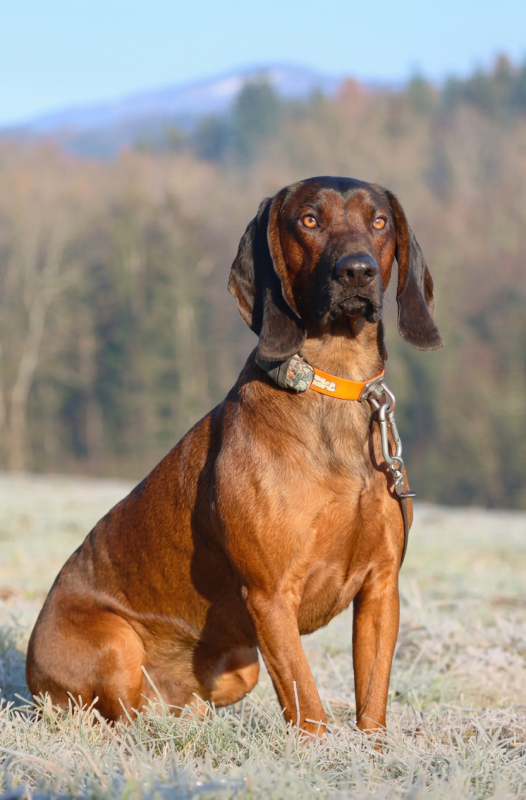
Medium-sized hound , relatively longer than tall , muscular and agile , with large hanging ears , high-set medium tail , short dense red or tan coat , and a sound self-assured unafraid biddable character
Its German name refers to blood-trail tracking rather than sweat. Many breeders emphasize working homes and passed performance or tracking tests before breeding.
Hip dysplasia, Ear infections, Intervertebral Disk Disease, Gastric dilatation and volvulus, Progressive Retinal Atrophy
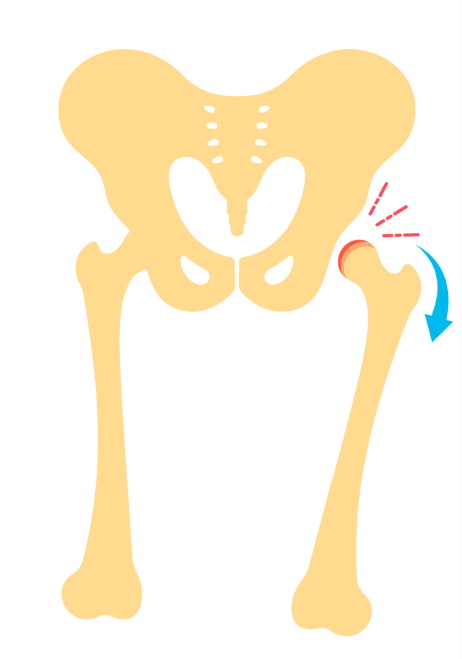
1. reluctance to run , jump or climb stairs may occur
2. bunny-hopping gait , hind limb stiffness , lameness and difficulty rising may develop
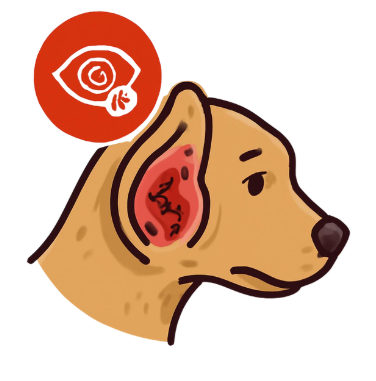
1. head shaking , ear scratching , redness and pain may occur
2. foul odour and brown waxy or yellow discharge may develop
1. back pain , unwillingness to jump , hunched back or neck stiffness may occur
2. wobbliness , dragging paws , weakness , paralysis and bladder or bowel changes may develop
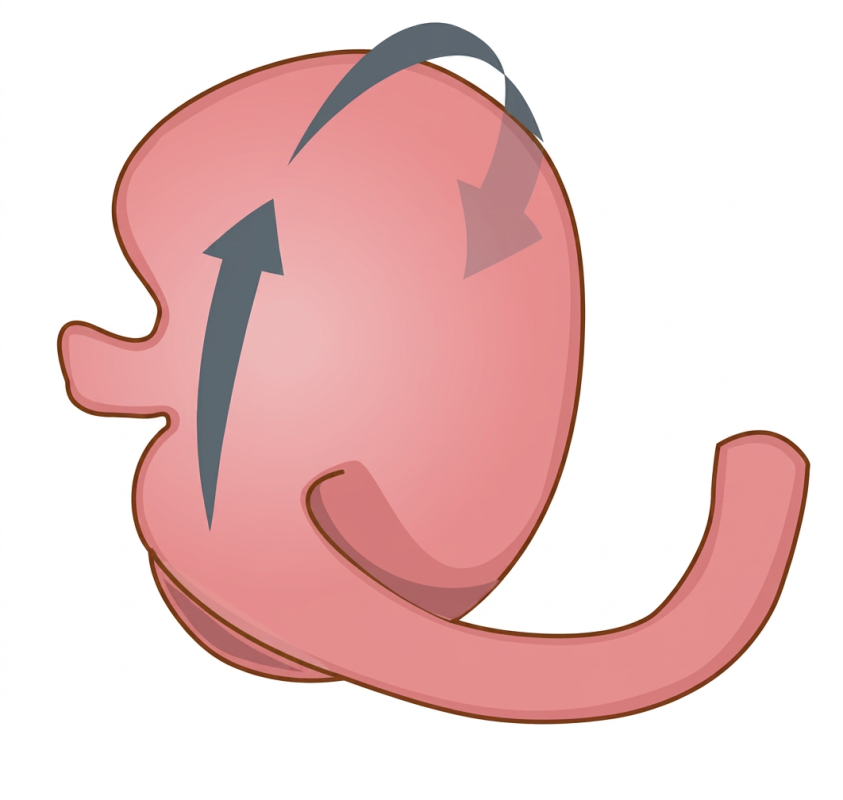
1. non-productive retching , swollen tight abdomen , restlessness and drooling may occur
2. pale gums , shock , weakness and collapse may develop rapidly
1. night blindness may appear first
2. dilated pupils , increased eyeshine , gradual day vision loss and eventual blindness may occur
1. signs may appear in fast-growing puppies around 5-6 months
2. clinical arthritis signs may also appear in middle or senior years
1. the breed is described as at risk and hip dysplasia is a known health issue
2. screening is prioritized in breed guidance
1. onset may begin in puppyhood and may become recurrent lifelong
1. risk may be increased because pendulous ears reduce ventilation and trap moisture
1. chondrodystrophic disk degeneration may begin between 2 months and 2 years
2. acute episodes may occur after maturity and are often noted in active adults between 3 and 7 years
1. the breed may carry chondrodystrophy and IVDD risk according to genetic health guidance
2. risk is lower than in more extreme long-backed breeds but remains significant
1. can happen at any age but may be more common in middle-aged to senior dogs
1. risk may be moderate because the breed is deep-chested and large meal , exercise timing may contribute
1. vision changes typically become noticeable in middle age , often between 3 and 7 years
1. risk may be low to moderate and is presented as a recognized inherited eye concern in breed-group guidance
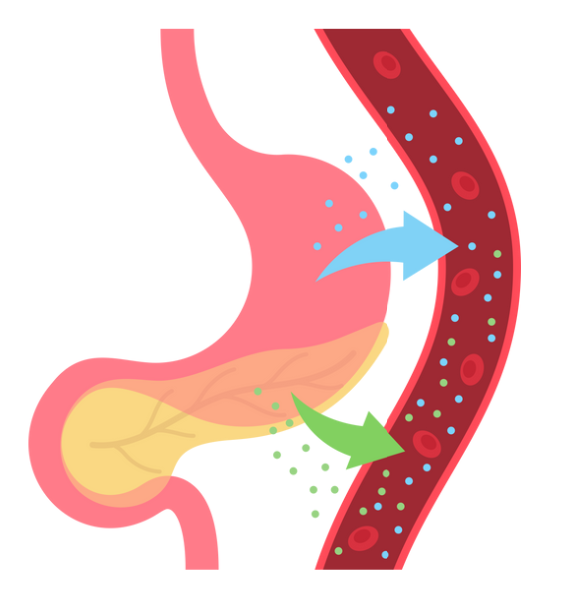
1. this is primarily a genetic and conformational disorder rather than a daily chemical lack

1. this is a mechanical disc disorder rather than a direct chemical deficiency

1. this is mainly a ventilation , moisture and microbiome imbalance problem rather than a nutritional deficiency
1. this is a mechanical and physiological emergency rather than a chemical deficiency

+852 6358 3131
香港中環德輔道中84-86號章記大廈9樓01室
週一到週日,早上10點到下午9點
 +852 9160 8619
 +852 9160 8619