我們的服務
寵物護理服務
獸醫服務
其他
Length range : 74-91 cm
Height range : 51-66cm
Weight range : 14-29kg
Coat : long|dense|curly|woolly|water-resistant|profuse|rustic
Life expectancy years : 12-14
Colors: black|brown|fawn|gray|white|black and white|pied.
Activitity Level : Moderate to High
Origin: France
Similar Breeds : Poodle|Portuguese Water Dog|Lagotto Romagnolo|Spanish Water Dog|Bichon Frise
The Barbet is an ancient French water dog described as early as the 14th to 16th century and used for hunting and retrieving waterfowl in marshes , wetlands and estuaries. The breed declined after the World Wars and later revival efforts preserved it. It is also cited as influential in the development of other water dog breeds including the Poodle.
friendly|bright|sweet-natured|companionable|joyful|goofy|obedient|intelligent|even-tempered|very sociable
friendly|joyful|obedient|intelligent|loving|sociable|playful|sweet-natured|sensitive
a lot of grooming|regular exercise|mental stimulation|weekly ear , teeth and nail care|companionship|water-safe activity|positive training
very attached to family|very sociable|good with children|generally reliable with other dogs when socialized|does not do well left alone for long periods
weekly brushing at minimum|regular dematting|occasional bathing|routine ear cleaning|periodic nail trimming|regular tooth brushing|coat may need trimming or rustic maintenance
balanced diet for age and activity|adult dogs may consume about 2 to 3 cups of quality dry food daily divided into two meals|monitor weight to avoid obesity|supports energy , coat and joint health
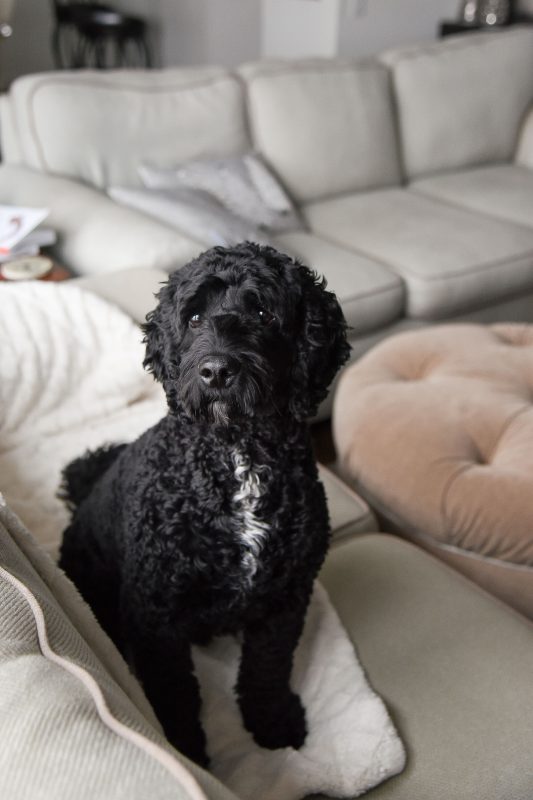
archetypic French water dog|medium size and balanced proportions|slightly rectangular|substantial head|long dense curly coat|distinctive beard|webbed feet|tail carried slightly raised in action
The name Barbet comes from the French word barbe meaning beard. The breed is considered ancient , linked to French waterfowl work , and was officially recognized by the AKC in 2020.
Hip Dysplasia, Ear Infections, Progressive Retinal Atrophy, Idiopathic Epilepsy, Atopic Dermatitis
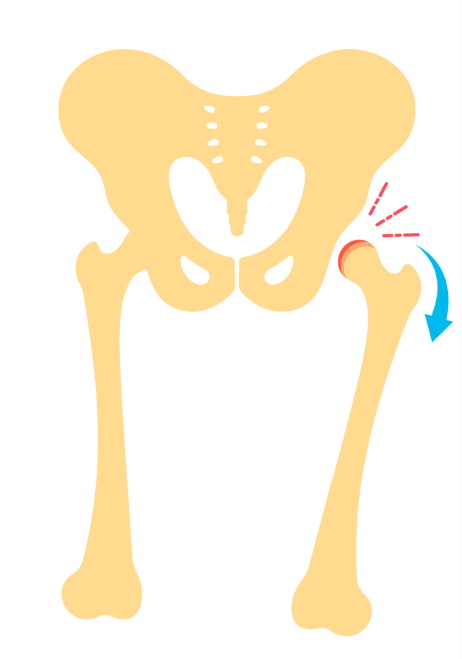
1. lameness or limping may occur
2. reluctance to rise or jump may appear
3. rear limb muscle loss and hip pain may develop
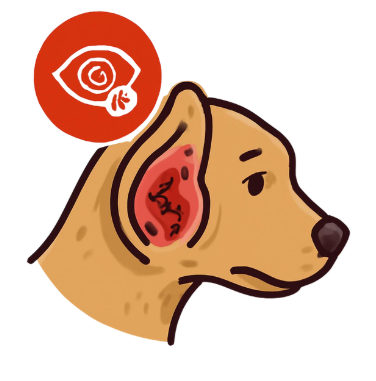
1. head shaking or scratching may occur
2. redness , foul or yeasty odor , discharge may appear
3. pain when ears are touched may develop
1. reluctance to go outside at night may occur
2. bumping into things in dim light may appear
3. dilated pupils , increased eye reflectivity or cataracts may develop
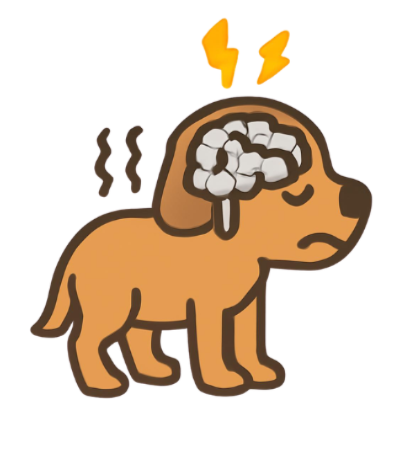
1. seizures may involve loss of consciousness , limb jerking , drooling or paddling
2. post-ictal confusion or temporary blindness may occur
1. pruritus may occur
2. alopecia , erythema , scaling , crusting or excoriations may appear
3. recurrent otitis externa , face rubbing , foot licking or secondary pyoderma may develop
1. signs may begin as dogs grow and may appear in younger dogs before arthritis or later in mature dogs with arthritis
1. breed sources and orthopedic screening discussions indicate it is a significant hereditary concern in Barbets
1. onset may begin in puppyhood and may recur lifelong especially after water exposure
1. breed sources indicate this is among the most common day-to-day issues because dense hair and hanging ears trap moisture
1. early-onset disease may appear around 8 to 12 weeks and late-onset disease may appear in adults 3 to 9 years old
1. inherited eye disease risk is recognized in breed health guidance and PetMD indicates many affected dogs may become blind within 1 to 2 years after signs begin
1. first seizures typically may occur between 1 and 5 years of age
1. breed guidance notes epilepsy as a recognized hereditary concern and onset may vary by individual
1. typical onset may be between 6 months and 3 years and signs may start mild before becoming clinically apparent
1. it is one of the most common skin diseases of dogs worldwide and may be heritable
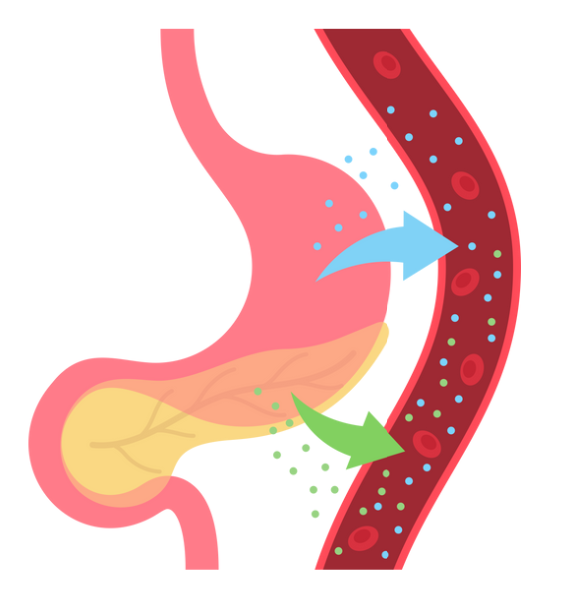
1. the text indicates this is not a simple chemical deficiency and joint laxity may lead to cartilage wear and loss of support

1. this is an inherited retinal disorder and not a chemical deficiency

1. this is not described as a deficiency and may relate to trapped moisture , wax and poor airflow in hairy hanging ears
1. this is a neurologic disorder and not described as a nutritional deficiency

+852 6358 3131
香港中環德輔道中84-86號章記大廈9樓01室
週一到週日,早上10點到下午9點
 +852 9160 8619
 +852 9160 8619