我們的服務
寵物護理服務
獸醫服務
其他
Length range : 71.0-89.0 cm
Height range : 58.0-74.0cm
Weight range : 15.0-25.0kg
Coat : short|fine|tight coat|very little hair on belly|minimal grooming
Life expectancy years : 10-14
Colors: red|clear sand to fawn|brindled|parti-color|blue|black|brown|white markings possible.
Activitity Level : High
Origin: Burkina Faso|Mali|Niger
Similar Breeds : Saluki|Greyhound|Sloughi|Whippet
An ancient African sighthound associated with nomadic peoples of the southern Sahara and the Azawakh Valley region. Sources describe origins in Burkina Faso , Mali and Niger and note the breed appeared in Europe around 1970 after centuries as a companion , hunting dog and camp guardian for Sahel nomads.
reserved|loyal|affectionate with family|alert|independent|sensitive|watchful|quiet
loyal|reserved|attentive|gentle with known people|sensitive|intelligent|quiet|athletic
daily exercise|mental stimulation|secure fencing or leash use|warmth in cold weather|gentle consistent handling|routine ear and dental care
deeply bonded to family|slow to warm to strangers|can coexist with other dogs|may chase small pets|does best with experienced owners who respect sighthound and guardian traits
very easy to groom|occasional brushing with a firm or soft bristled brush|minimal bathing|do not overbathe|frequent ear cleaning|regular nail trimming|brush teeth at least twice weekly or daily
feed a high-quality complete diet appropriate for life stage|many sources advise keeping the breed slim with visible ribs and hip bones in proper condition|some breeders prefer simple whole foods while others use kibble successfully|fat around 12-16% and moderate protein around 22-26% were suggested by one breed source|avoid overfeeding especially in puppies
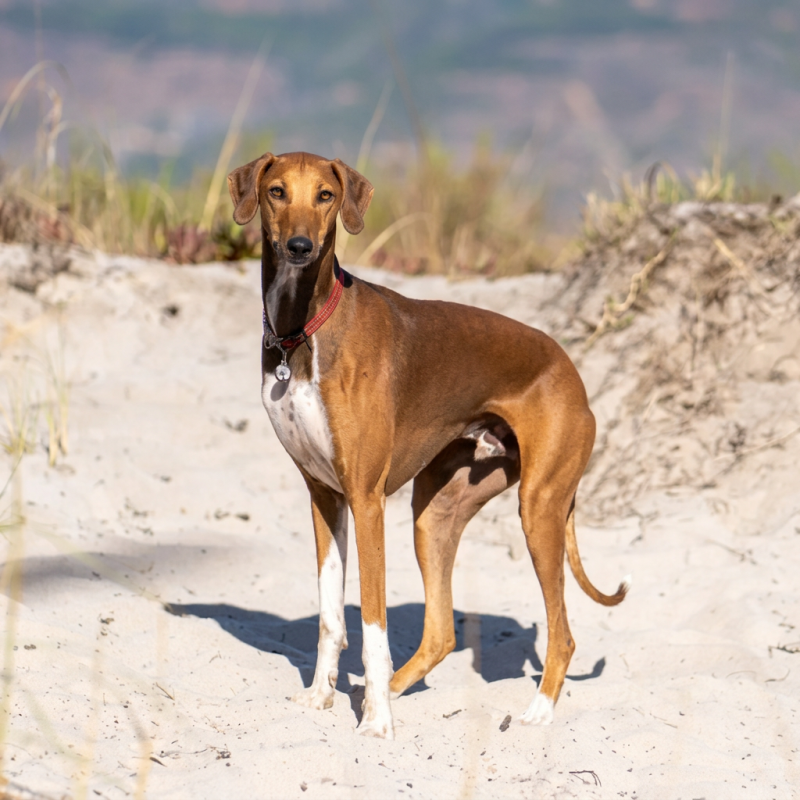
rangy rectangular African sighthound with vertical longer proportions|male withers 64-74 cm and female 58-69 cm in one standard source|fine tight skin|short fine coat|deep chest|high tuck|lean muscles|thin tapering tail|drooping triangular ears
The Azawakh has served Sahel nomads for hundreds of years and in correct condition at least three to five ribs may be visible. It is one of the rarest dog breeds in the U.S. and is valued as both a guardian and a coursing hound.
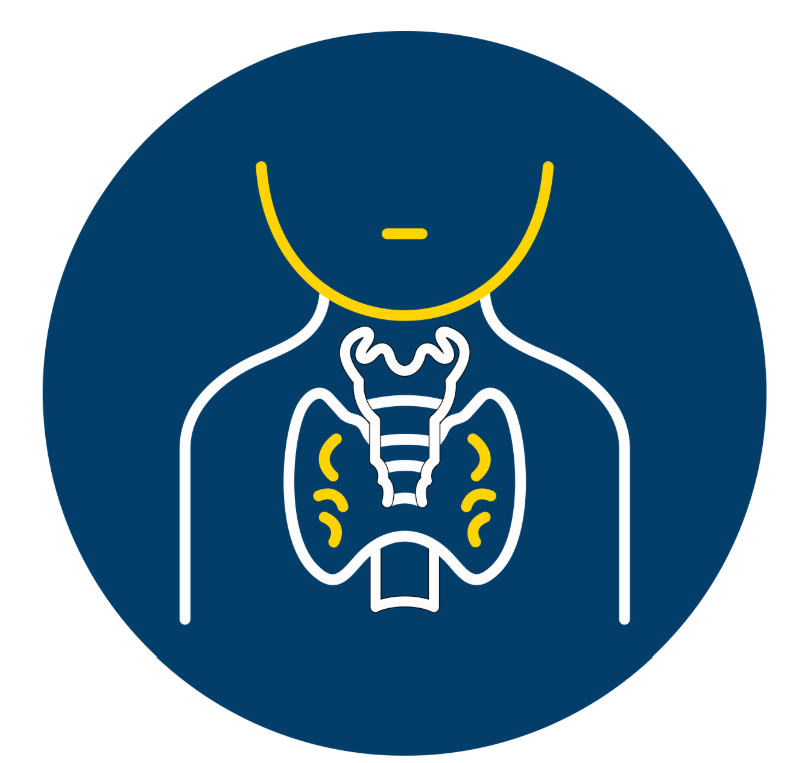
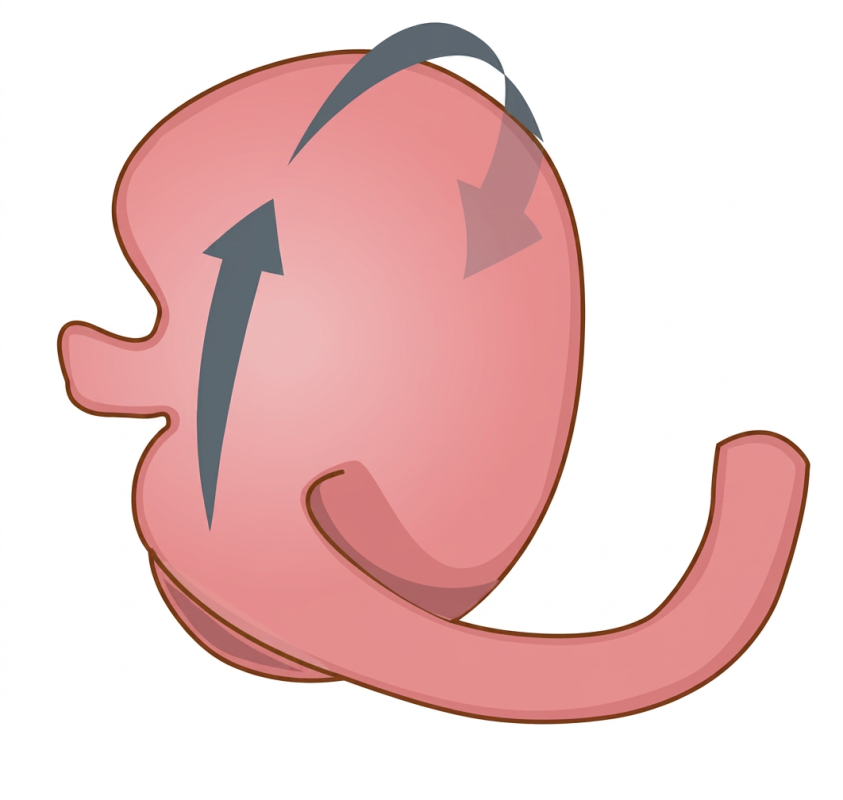
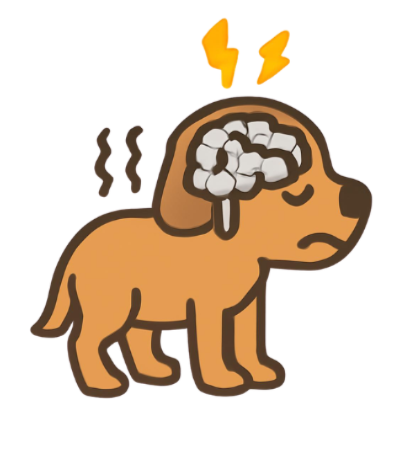
Hypothyroidism, Seizures, Gastric Dilatation-Volvulus, Autoimmune Diseases, Dental Disease
1. lethargy may occur
2. weight gain may appear without more appetite
3. dry or dull coat , hair loss , skin infections or ear infections may develop
1. sudden shaking , trembling or involuntary movements may occur
2. collapse , loss of awareness may occur
3. post-episode disorientation may occur
1. non-productive retching may occur
2. enlarged tight abdomen may develop
3. restlessness , drooling , weakness or collapse may appear
1. signs may vary and can include muscle disease , generalized demodectic mange , thyroiditis , bruising or nail problems depending on the disorder
2. lethargy or collapse may occur in severe immune-mediated disease
1. tartar buildup , bad breath , red gums may occur
2. pain on chewing , loose teeth , difficulty eating may develop
middle age may be typical and PetMD notes later life tendencies for major breed issues
Moderate because the breed is described as prone and autoimmune thyroiditis is highlighted as a significant breed concern though the general Cornell list does not place Canaan among the most commonly diagnosed breeds
onset may begin between 6 months and 3 years according to the breed health guide and external text notes 1 to 5 years may occur
Moderate because epilepsy is described as a common inherited problem in Canaans and purebred dogs are more predisposed overall
this is an acute emergency that may happen suddenly and risk may rise with age
Moderate to high risk is described because of deep narrow chest may place the breed at increased risk and the condition may be life-threatening
onset may vary and can appear in young adult to middle-aged dogs according to the external text
Moderate because breed sources mention autoimmune thyroiditis , myositis type disease and generalized demodectic mange as concerns so immune-mediated disease risk may be present
dental disease may begin early and the Azawakh breed guide says many dogs are affected by age 1
Moderate because the breed health guide says Azawakh may be more likely than other dogs to have dental problems
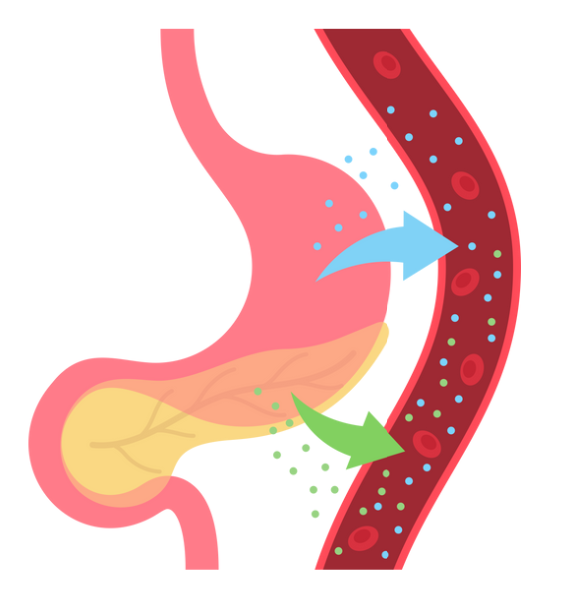
1. the body may lack adequate thyroid hormone levels such as thyroxine and this may reflect autoimmune thyroiditis or thyroid atrophy

1. this is not linked to a chemical lack and the content indicates it is a mechanical , physiological emergency

1. the content suggests abnormal electrical activity may be involved rather than a simple chemical deficiency
1. no simple deficiency is described because the problem may involve immune dysregulation and autoantibody activity

+852 6358 3131
香港中環德輔道中84-86號章記大廈9樓01室
週一到週日,早上10點到下午9點
 +852 9160 8619
 +852 9160 8619