我們的服務
寵物護理服務
獸醫服務
其他
Length range : 71.0-84.0 cm
Height range : 43.0-51.0cm
Weight range : 14.0-23.0kg
Coat : short double coat|dense undercoat|straight outer coat|weather-resistant double coat
Life expectancy years : 10-14
Colors: blue|blue mottled|blue speckled|red speckled|black markings|tan markings|white at birth.
Activitity Level : high
Origin: Australia
Similar Breeds : Australian Shepherd|German Shepherd|Australian Kelpie|Border Collie|Australian Stumpy Tail Cattle Dog
The breed was developed in Australia during the 19th century as a drover’s dog built for stamina , resilience , tenacity and independent decision-making with rough cattle over vast distances. Development involved experimentation with collies including blue merle types , dingoes , Dalmatians and Kelpies. The breed was widely recognized in Australia by the late 1800s and accepted for AKC registration in 1980.
extremely alert , hard-working , tenacious , devoted to duty , protective of owner and property , can be dominant or mouthy , eager to please when engaged
intelligent|alert|watchful|courageous|loyal|trustworthy|protective|wary of strangers|strong-willed
high exercise|mental stimulation|jobs to do|secure yard|early socialization|active owner|not suited to apartment living
bonds strongly to family|often bonds especially closely to one person|can be good with children under supervision|can be wary of strangers|may be aggressive with other dogs
weekly brushing once or twice a week|daily brushing can help during heavier shed|occasional bath when needed|moderate to high seasonal shedding|regular ear cleaning|regular nail trimming
AAFCO-appropriate food|diet matched to life stage|may benefit from calorically dense food for active lifestyle|monitor calories and ideal weight|joint supplements may be discussed with a veterinarian
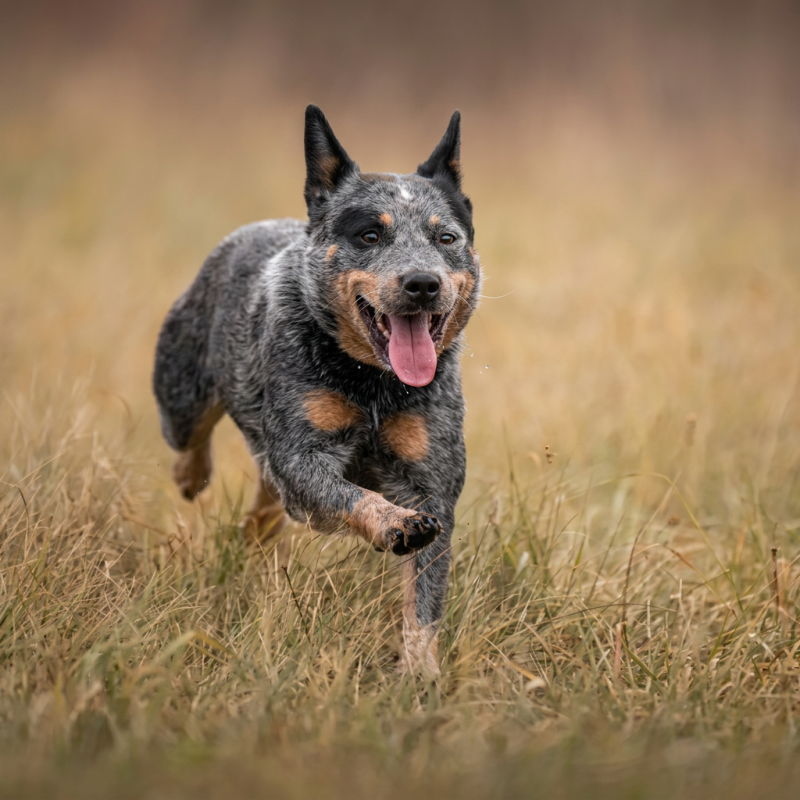
compact , strong , symmetrically built working dog|muscular and agile|upright ears|short straight double coat|blue , blue mottled , blue speckled or red speckled coloring|developed for herding and heeling cattle
An Australian Cattle Dog named Bluey is widely noted for reaching 29 years of age and the breed’s puppies are born white before their adult blue or red pattern develops.
Progressive Retinal Atrophy, Congenital Hereditary Sensorineural Deafness, Hip Dysplasia, Lens Luxation, Portosystemic Shunt
1. night blindness
2. increased eye shine may appear
3. dilated pupils may be seen
4. progressive vision loss may occur
5. cataracts may develop later
1. poor response to calls or loud sounds
2. difficulty waking may occur
3. easy startling when touched
4. loud vocalization may occur
5. trouble locating sound may occur with one-sided deafness
1. lameness or limping
2. reluctance to rise or jump
3. shifting weight to forelimbs may occur
4. loss of rear muscle mass may occur
5. hip pain or bunny hopping gait may be seen
1. sudden eye pain may occur
2. redness and inflammation may appear
3. cloudy or steamy cornea may occur
4. excessive tearing may occur
5. displaced or wobbly lens may be visible
1. poor growth may occur
2. disorientation or circling may occur
3. vomiting or diarrhea may occur
4. urinary straining may occur
5. seizures or head pressing may occur
1. signs usually become noticeable in adulthood
2. often between 3 and 6 years
3. late-onset cases may show night blindness around 5 years
1. risk may be high because it is a major inherited disease in the breed
1. present from birth
2. BAER testing may confirm it by about 5 to 6 weeks of age
1. prevalence may be high
2. roughly 10 to 14 percent of dogs may be affected
1. signs may appear in growing dogs from about 6 to 18 months
2. or later in middle to senior age as arthritis develops
1. risk may be moderate to high
2. OFA statistics in the provided health text indicate about 16 percent
1. typically occurs in adulthood
2. often between 3 and 8 years of age
1. risk may be moderate because inherited forms are recognized in the breed
1. symptoms are usually noticed in puppies
2. often before 6 months of age
1. risk may be low to moderate but it is recognized as a serious congenital problem
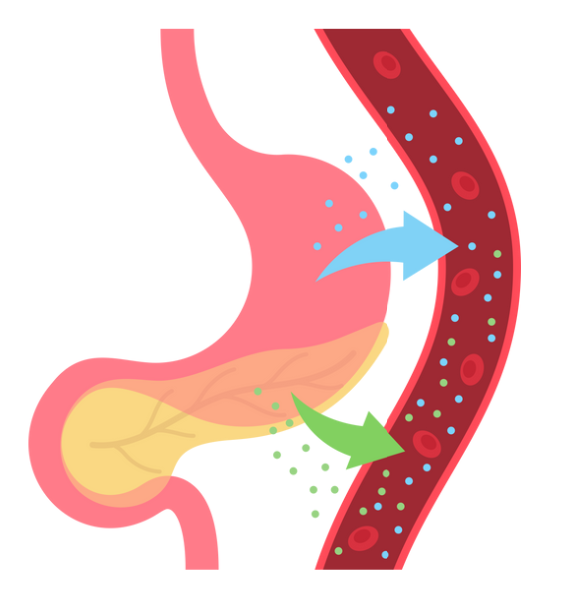
1. no specific chemical lack is identified because this is a genetic retinal degeneration

1. no specific chemical lack is identified because this is mainly hereditary and conformational
2. natural joint-support compounds may not keep pace with chronic damage

1. no specific chemical lack is identified because this is a structural and neurologic defect linked to absent pigment cells in the inner ear
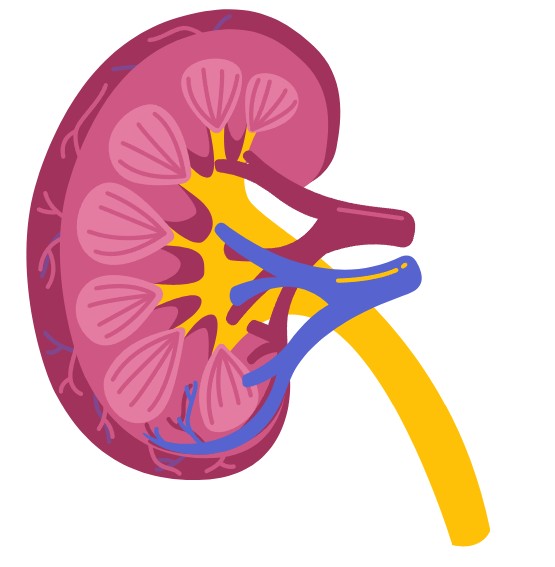
1. no specific chemical lack is identified because this reflects a genetic zonule protein defect

+852 6358 3131
香港中環德輔道中84-86號章記大廈9樓01室
週一到週日,早上10點到下午9點
 +852 9160 8619
 +852 9160 8619