我們的服務
寵物護理服務
獸醫服務
其他
Length range : 81.0-97.0 cm
Height range : 48.0-56.0cm
Weight range : 20.0-32.0kg
Coat : short , dense double coat|weather-resistant double coat|thick topcoat with dense undercoat
Life expectancy years : 11-14
Colors: black|brown|white|tri-color|black tricolor|havana brown tricolor|rust markings.
Activitity Level : High
Origin: Switzerland
Similar Breeds : Bernese Mountain Dog|Entlebucher Mountain Dog|Greater Swiss Mountain Dog|Australian Cattle Dog|Rottweiler
The breed comes from the Appenzell region of northeastern Switzerland and is one of the four Swiss mountain dog breeds. Historical descriptions date to the 19th century and the dogs were used to herd cattle , guard farms , pull carts and help with mountain farm work. Max Siber promoted the breed in the late 1800s and Professor Albert Heim helped establish the club and breed standard in the early 1900s.
high-spirited , fearless , willing , obedient when guided well , territorial , vocal , reserved with strangers
intelligent|energetic|loyal|affectionate with family|alert|watchful|protective|wary of strangers
high daily exercise|mental stimulation|early socialization|outdoor space|structured work
strong family bond|reserved with strangers|can do well with children if socialized|needs careful introduction to other pets
weekly brushing|more brushing during shedding season|occasional bathing when dirty|regular ear checks and cleaning|regular nail trimming|dental care is important
high-quality balanced diet appropriate for age|watch calorie intake to prevent excess weight|fresh water available|diet should support active lifestyle
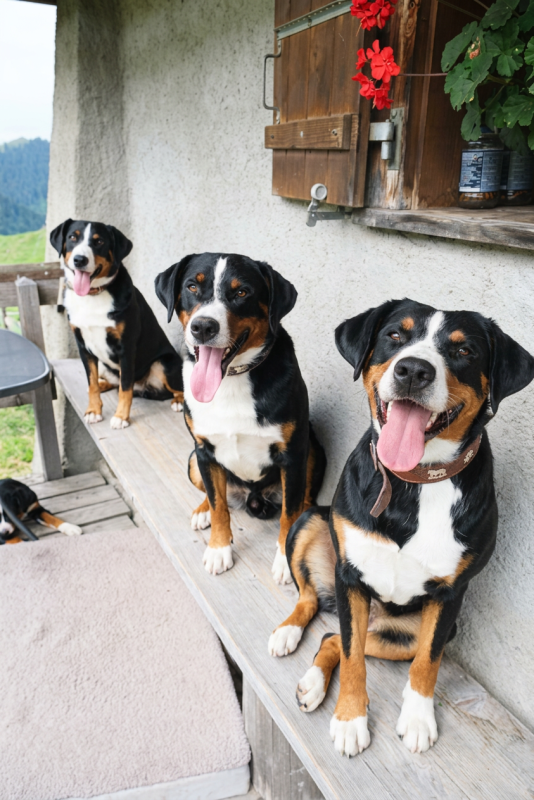
medium-sized , squarely built , muscular dog with tri-color double coat|small triangular ears|high-set tail tightly curled over the back|balanced and agile working build
The Appenzeller Sennenhund is the rarest of the four Swiss mountain dog breeds and is especially recognized for its tightly curled ring tail and historic role as a cattle drover , farm guardian and cart-pulling mountain dog.
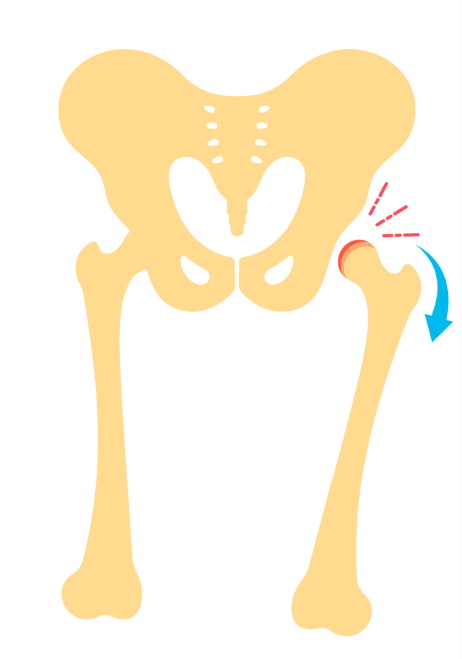
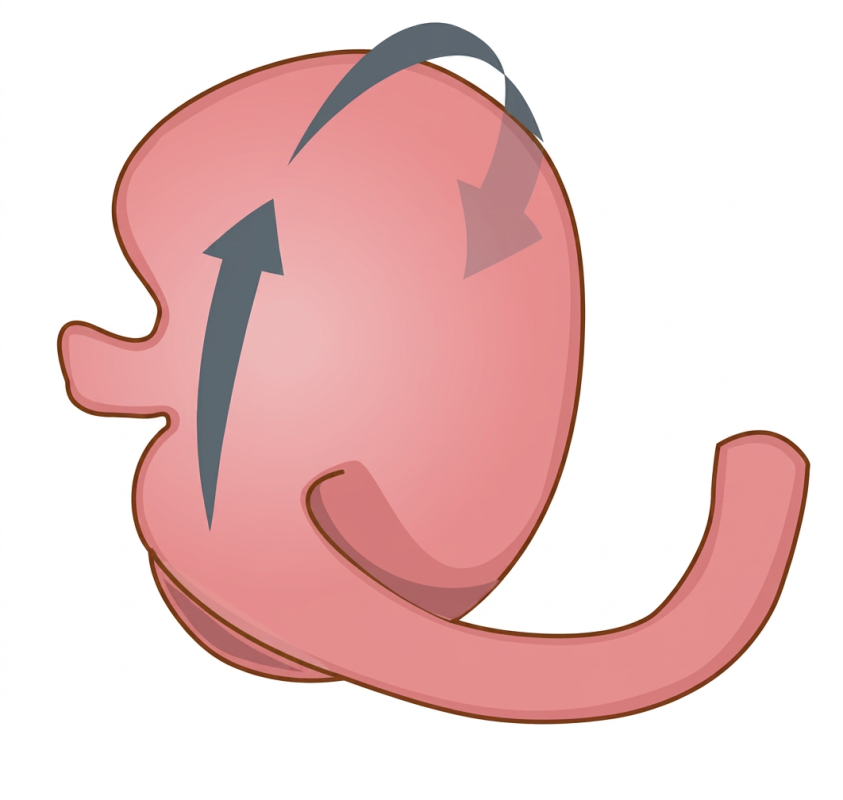
Hip Dysplasia, Gastric Dilatation-Volvulus, Progressive Retinal Atrophy, Cataracts, Pyruvate Kinase Deficiency
1. lameness or stiffness
2. reluctance to rise or jump
3. shifting weight may occur
4. loss of muscle mass may occur
5. hip pain or altered gait
1. anxious look
2. standing and stretching
3. drooling
4. distended abdomen
5. retching without producing anything
1. night blindness
2. unusually reflective eyes
3. dilated pupils
4. progressive vision loss
5. blindness may develop
1. cloudy or bluish-white eye appearance
2. white spot or streak may appear
3. blurred vision
4. bumping into objects may occur
5. complete blindness may develop in advanced cases
1. lethargy and weakness
2. pale gums
3. exercise intolerance
4. enlarged spleen or liver may occur
5. collapse may occur in severe cases
1. signs may appear in young growing dogs
2. more mature dogs may show signs after arthritis develops
1. hereditary risk may be significant in the breed and screening of breeding dogs may be advisable
1. can occur suddenly
2. risk may increase in older dogs and after large meals
1. the breed may be at elevated risk because of deep chest and size-related factors
1. signs typically become apparent in adulthood
2. often between about 3 and 6 years
1. inherited risk is recognized in the breed and annual eye exams for breeding dogs may be advisable
1. congenital cases may be present at birth
2. hereditary cases may appear in young to adult dogs
3. dogs can develop cataracts at any age
1. hereditary cataracts are a documented breed concern and risk may be moderate
1. symptoms usually become apparent in young dogs
2. often before 1 year of age
1. the disease may be rare but significant as a recessive inherited condition in the breed
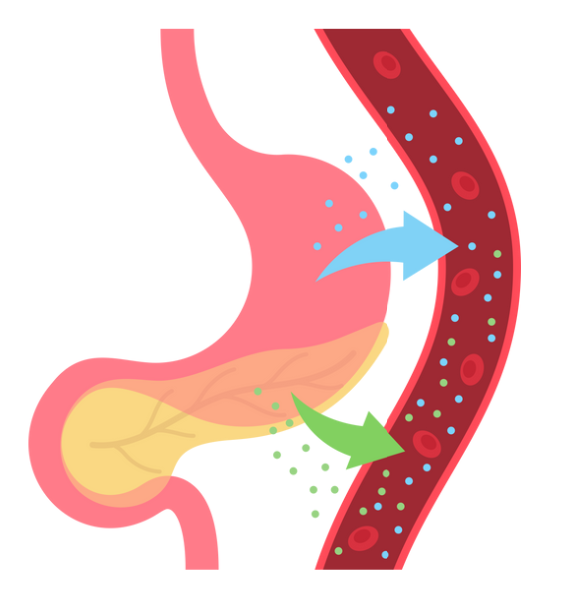
1. no single chemical lack is identified because the disease is mainly hereditary and structural
2. the content suggests the body may not keep pace with cartilage support demands

1. no specific chemical lack is identified because this is a genetic retinal degeneration
2. oxidative stress may affect eye tissues according to the provided health text

1. no specific chemical lack is identified because this is a mechanical and circulatory emergency
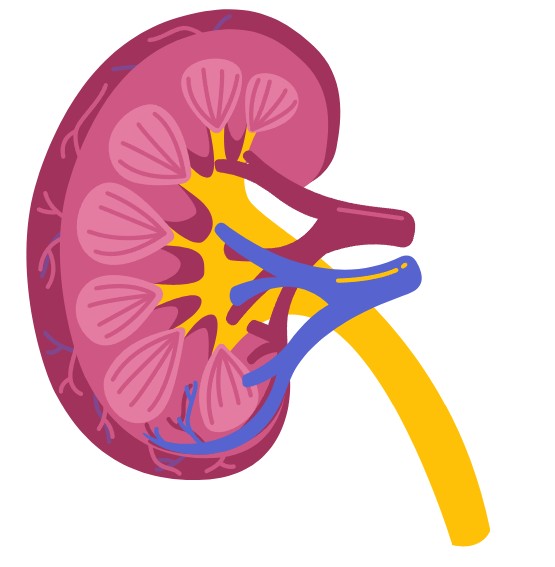
1. no specific chemical lack is identified because cataracts involve lens opacity rather than a simple deficiency

+852 6358 3131
香港中環德輔道中84-86號章記大廈9樓01室
週一到週日,早上10點到下午9點
 +852 9160 8619
 +852 9160 8619