我們的服務
寵物護理服務
獸醫服務
其他
Length range : 94.0-112.0 cm
Height range : 66.0-79.0cm
Weight range : 39.0-68.0kg
Coat : short but thick double coat|dense short double coat|smooth outer coat with thick undercoat
Life expectancy years : 10-14
Colors: fawn|brindle|white|black|tricolor|cream to fawn|striped brindle with black mask and ears|mostly sable or fawn.
Activitity Level : Moderate
Origin: Turkey
Similar Breeds : Kangal Dog|Akbash Dog|Great Pyrenees|Tibetan Mastiff
Ancestors of the breed trace back thousands of years in Turkey where shepherds developed these dogs to guard livestock against predators. The breed came to the United States in the 1950s and later gained use in livestock protection programs including predator control and conservation work such as guarding endangered cheetahs in Namibia.
wary of strangers|easygoing with familiar people|alert|fearless|steady|independent|strong-willed
protective|territorial|intelligent|patient|profoundly loyal|calm|subdued|independent
moderate exercise|secure fenced space|mental stimulation|early socialization|experienced handling
moderate social needs with family|wary with strangers|can live with other pets if introduced young|better with older children
weekly brushing|thorough brushing every few days during coat blowing|seasonal heavy shed|routine ear cleaning|nail trimming|teeth cleaning
high-quality dog food appropriate for age|large-breed diet|feed at least two or three small meals daily to reduce GDV risk|avoid exercise around mealtimes|fresh water always available
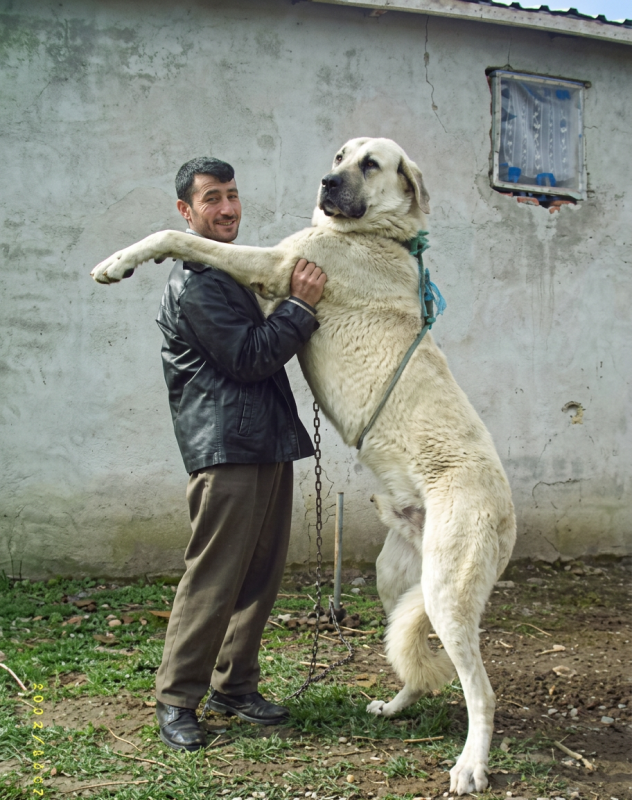
giant livestock guardian with short dense double coat|drop ears|long tail often curled when alert|muscular and athletic build|dark muzzle common in many colors
Anatolian Shepherds have been used not only to guard livestock but also in conservation work to help protect endangered cheetahs in Namibia.
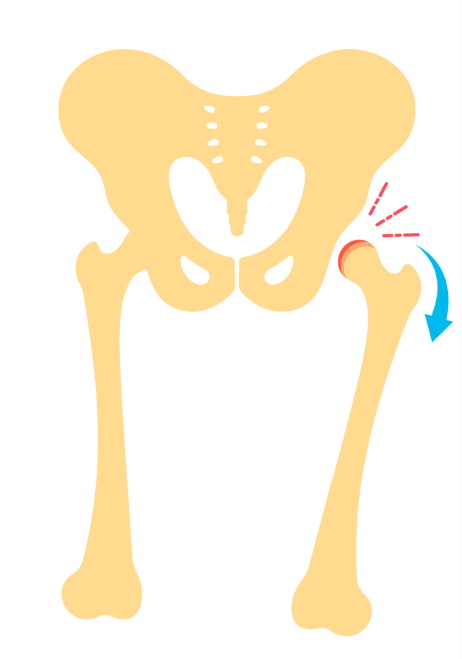
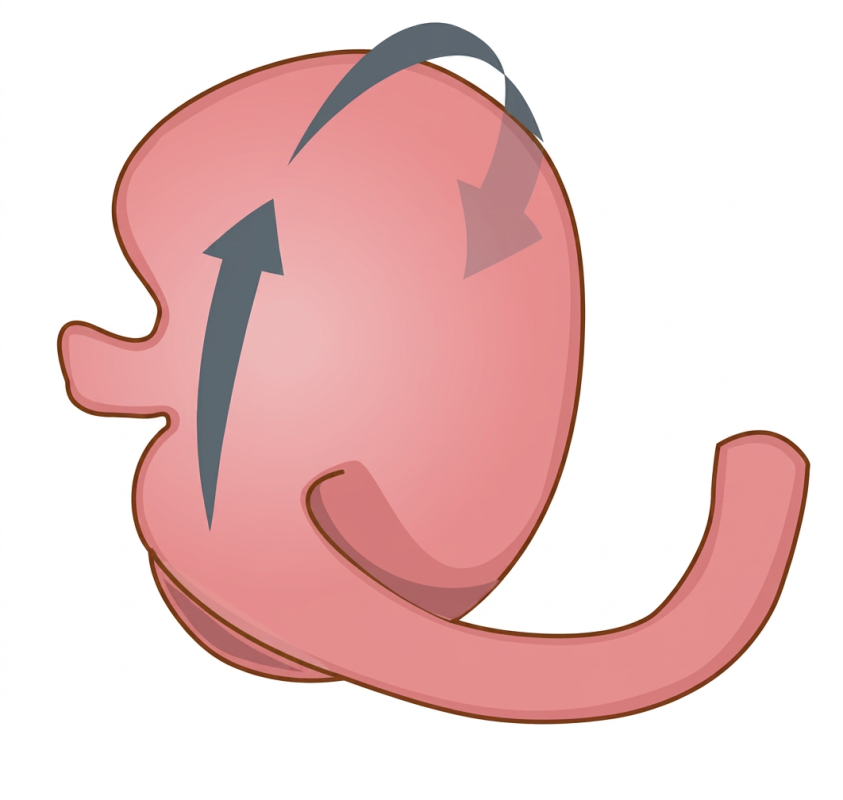
Hip Dysplasia, Gastric Dilatation-Volvulus, Hypothyroidism, Entropion, Demodectic Mange
1. lameness
2. reluctance to rise or jump
3. shifting weight to forelimbs
4. loss of muscle mass on rear limbs
5. hip pain
1. distended abdomen
2. retching without producing vomit
3. drooling
4. abdominal pain with standing and stretching
5. weakness or collapse may occur
1. weight gain without increased appetite
2. lethargy
3. cold intolerance
4. dry dull hair with shedding or thinning
5. skin and ear infections
1. squinting
2. holding the eye shut
3. excessive tearing
4. mucoid discharge may occur
5. corneal pain , ulcers or pigment may develop
1. dry irritated hairless lesions
2. hair loss on face or feet
3. redness or crusting may occur
4. secondary skin infections may develop
5. generalized cases may become itchy and painful
1. begins as dogs grow
2. younger dogs with laxity may show signs early
3. mature dogs may show signs after arthritis develops
1. breed sources indicate this is a significant inherited risk and parent certification or screening may be advisable
1. can occur suddenly at any age
2. risk is emphasized in deep-chested dogs and often discussed in adult dogs
1. the breed is deep-chested so risk may be high compared with many breeds
2. deep chest , older age , large meals and familial history may increase risk
1. generally affects middle-aged dogs
2. average onset may be around 6 to 7 years
1. it is one of the most common endocrine diseases in dogs and breed sources list Anatolians as predisposed
1. PetMD and breed-specific sources indicate the breed may be predisposed to this inherited eyelid disorder
1. often appears in puppies or adolescents
2. juvenile-onset cases may appear between about 3 and 18 months
1. breed-specific source indicates Anatolians can develop overabundance of Demodex mites and some cases may require lifelong management
1. no specific chemical lack is identified because it is mainly hereditary and structural
2. OFA indicates diseased joints may not adequately produce glycosaminoglycan and hyaluronate

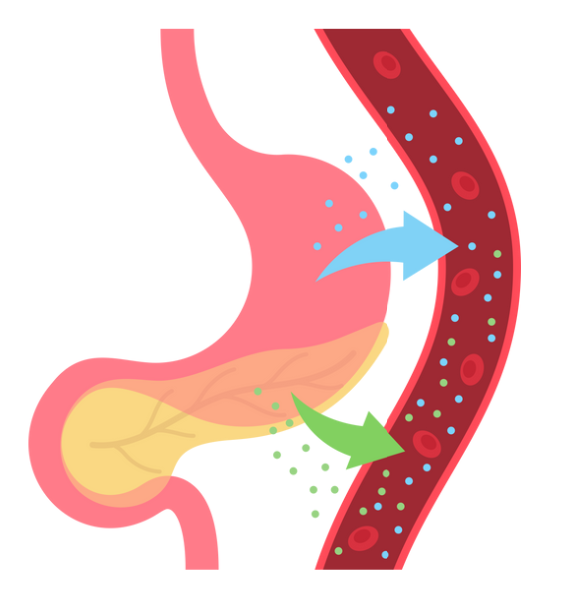
1. thyroid hormone may be lacking and metabolic rate may be reduced

1. no specific chemical lack is identified because this is a mechanical and circulatory emergency rather than a deficiency
1. no specific chemical lack is identified because this is an anatomic eyelid abnormality

+852 6358 3131
香港中環德輔道中84-86號章記大廈9樓01室
週一到週日,早上10點到下午9點
 +852 9160 8619
 +852 9160 8619