我們的服務
寵物護理服務
獸醫服務
其他
Length range : 53.0-61.0 cm
Height range : 38.0-46.0cm
Weight range : 11.0-20.0kg
Coat : medium|double coat|curly or wavy outer coat|waterproof|brown coat
Life expectancy years : 10-14
Colors: solid liver|brown|dark chocolate|chocolate|some white on chest and toes.
Activitity Level : High
Origin: United States
Similar Breeds : Irish Water Spaniel|Curly-Coated Retriever|Boykin Spaniel|Clumber Spaniel
The breed developed in the American Midwest , especially Wisconsin and Minnesota , in the 18th to early 19th century as a working gun dog able to retrieve from skiffs or canoes and work ground with ease. It became associated with Wisconsin as the state dog and later became rare as hunting patterns changed and duck numbers declined. Its background is often linked to curly-coated retriever and Irish water spaniel ancestry.
upbeat|outdoorsy|aloof with strangers|obedient|affectionate|smart|sometimes stubborn|controllable on the hunt
happy|eager|charming|affectionate|intelligent|friendly|enthusiastic|lively
moderate to high exercise|mental stimulation|companionship|early socialization|weekly brushing
moderate to high social needs|good with children and other pets when socialized|reserved with strangers
weekly brushing year-round|brush more during spring and fall shedding|bath every 3 months or when dirty|coat may be oily and odorous|trim fur near ear entrance|light shedder
high-quality age-appropriate food|AAFCO-compliant medium-breed diet|watch portions because the breed can become overweight|treats in moderation|fresh water always available
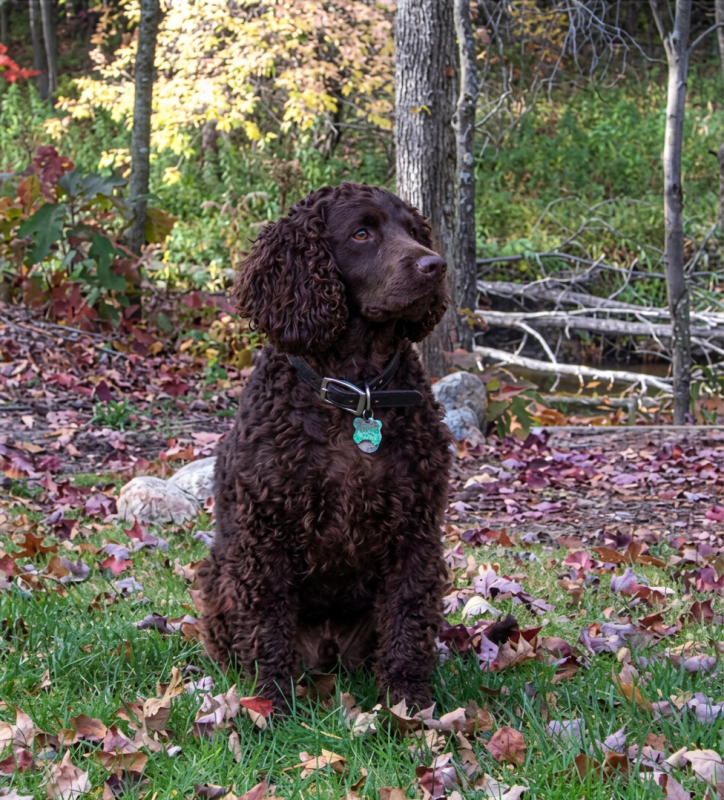
medium-sized muscular sporting gun dog|curly or wavy waterproof brown coat|long floppy ears|webbed paws|moderately long feathered tail
The American Water Spaniel is Wisconsin’s state dog and remains notably rare with only about 3 , 000 in existence according to breed club information cited by PetMD.
Hip Dysplasia, Degenerative Myelopathy, Hypothyroidism, Cataracts, Otitis Externa
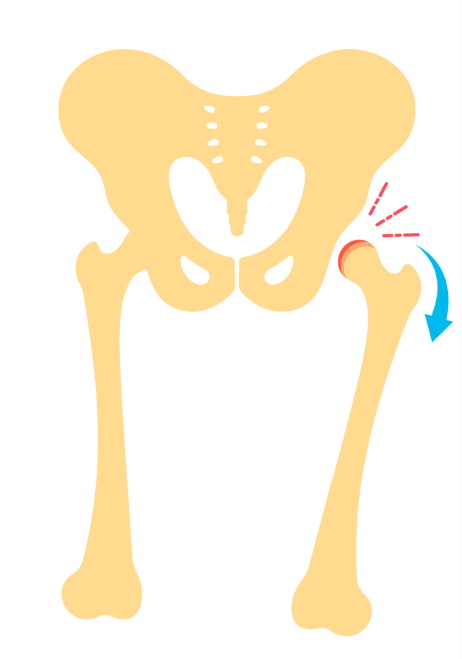
1. lameness
2. slowness to rise
3. bunny-hopping gait
4. reluctance to run , jump , use stairs
5. holding the leg out while sitting
1. hind limb weakness
2. hind paws knuckling or rolling
3. worn hair on top of back feet
4. balance loss or wobbling
5. eventual paralysis , incontinence , swallowing difficulty may occur
1. weight gain without increased appetite
2. lethargy
3. cold intolerance
4. dry dull thinning coat
5. skin and ear infections
1. cloudy or opaque lens
2. reduced vision
3. clumsiness or bumping into objects may occur
4. blindness may develop in severe cases
5. lens-induced uveitis or glaucoma may occur
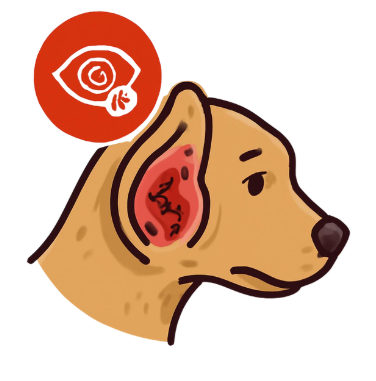
1. head shaking
2. ear scratching
3. brown waxy or purulent green discharge
4. ear pain
5. erythema , self-trauma or thickened canals
1. signs may begin in younger dogs as joint laxity develops
2. signs may also appear later as arthritis progresses
1. this is a major breed concern and AWSC recommends hip screening
2. breed-focused external health text suggests high concern though severity may vary
1. usually affects older or middle-aged dogs
2. AWSC often shows up between 8 and 11 years , sometimes later
1. AWSC lists it as an occasional breed condition
2. dogs with 2 mutated gene copies may be at high risk to develop disease
1. generally affects middle-aged dogs
2. average onset may be around 6 to 7 years
1. AWSC lists it as an occasional breed condition and VCA it is one of the most common endocrine diseases in dogs
1. hereditary cataracts may appear in young dogs
2. other cataracts may appear later and progress variably
1. eye disorders are important enough that AWSC recommends eye screening and PetMD notes breed predisposition to eye problems
1. can be acute or chronic
2. may begin after swimming , bathing , allergy flares or other primary triggers
1. the breed may be prone because swimming can trap moisture in the ear canal and predispose infection
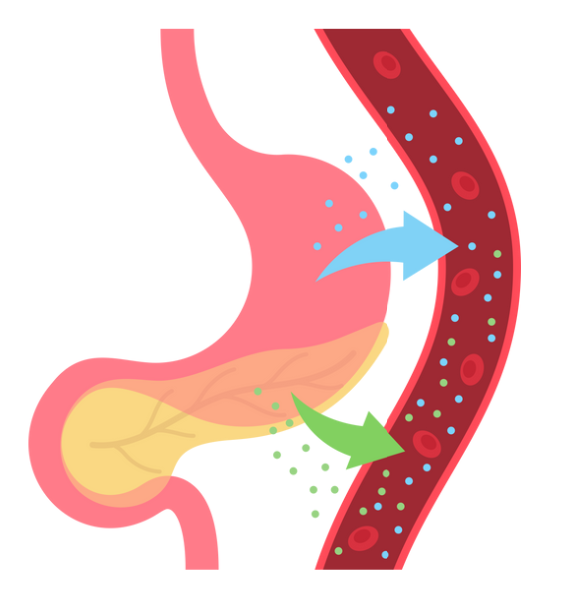
1. no single chemical lack is identified because the disease is hereditary and structural
2. diseased joints may inadequately produce glycosaminoglycan and hyaluronate

1. thyroid hormone is lacking and metabolic rate is reduced

1. no specific chemical lack is identified because the disease involves inherited degeneration of spinal cord white matter
1. no specific chemical lack is identified because cataracts are commonly hereditary , age related , traumatic or disease associated
2. antioxidant support for eye health is discussed in provided external text

+852 6358 3131
香港中環德輔道中84-86號章記大廈9樓01室
週一到週日,早上10點到下午9點
 +852 9160 8619
 +852 9160 8619