我們的服務
寵物護理服務
獸醫服務
其他
Length range : 71.0-79.0 cm
Height range : 43.0-48.0cm
Weight range : 18.0-32.0kg
Coat : short|sleek|flat|single-layer
Life expectancy years : 12-13
Colors: any color|solid|parti|patched|brindle|blue|brown|liver|black|white.
Activitity Level : High
Origin: United States
Similar Breeds : Staffordshire Bull Terrier|American Bulldog|Bull Terrier|Boxer
The breed traces back to 18th-century England and dogs associated with bulldog and terrier bloodlines. In the late 1800s they were brought to America where a slightly larger version was preferred for farm work and companionship. The breed was registered by the AKC in 1936 as the Staffordshire Terrier and renamed the American Staffordshire Terrier in 1972.
courageous|trustworthy|tolerant|protective|eager to please|sometimes reserved with strangers
smart|confident|good-natured|loyal|affectionate|playful|gentle
vigorous daily exercise|mental stimulation|early socialization|structured training|family inclusion
high social needs with family|should be supervised with children|interaction with other dogs should be closely monitored
short coat with simple care|brush every few weeks|bathe about every 4 to 6 weeks|moderate shedding|watch for skin sensitivity|clean ears during bath time if buildup is present
high-quality age-appropriate dog food|commercial or home-prepared with veterinary supervision|watch calories and weight|treats in moderation|AAFCO-aligned diet is a good starting point|fresh water always available
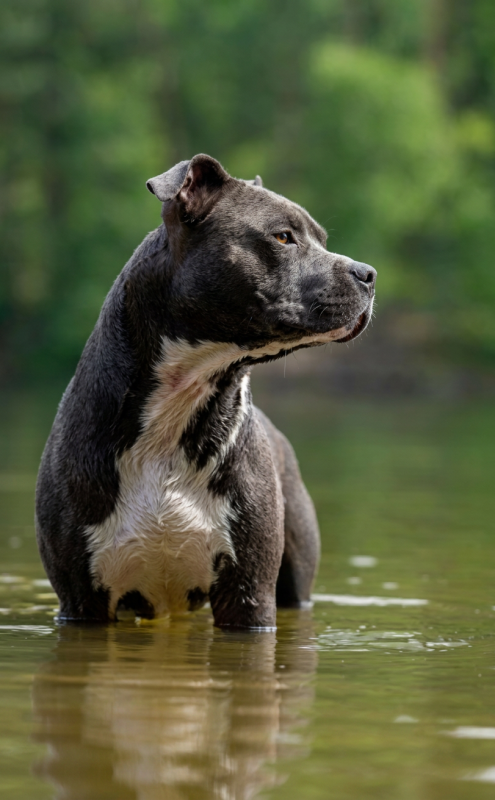
muscular compact build|broad head with powerful jaws|short sleek coat|natural rose ears preferred|heavy for size|terrier class
A famous AmStaff-type icon was Pete the Pup , Petey , from Our Gang and The Little Rascals era.
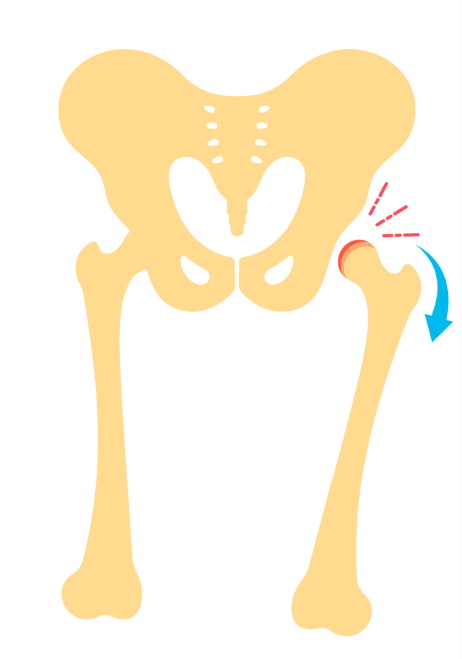
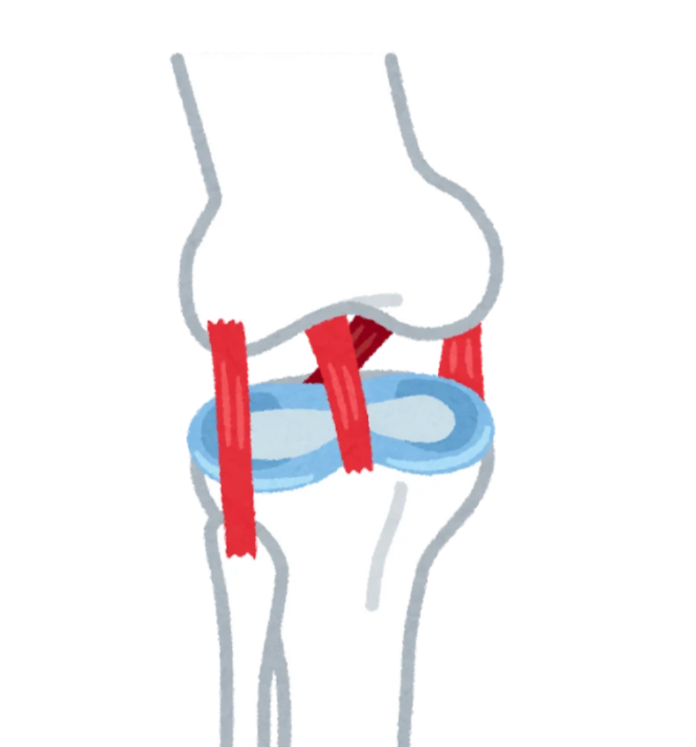
Hip Dysplasia, Hypothyroidism, Cranial Cruciate Ligament Disease, Periodontal Disease, Cataracts
1. lameness
2. reluctance to rise or jump
3. shifting weight to forelimbs
4. loss of rear limb muscle mass
5. hip pain
1. weight gain without increased appetite
2. lethargy
3. cold intolerance
4. dry dull thinning coat
5. skin and ear infections
1. difficulty rising or sitting
2. trouble jumping
3. hind limb lameness
4. popping or clicking noise
5. stiffness and pain
1. halitosis
2. excessive salivation
3. blood in saliva
4. pain on mastication or difficulty eating
5. loose teeth
1. cloudy or opaque lens
2. reduced vision
3. night vision difficulty may occur
4. blindness may develop in advanced cases
5. lens-induced uveitis or glaucoma may occur in hypermature cases
1. signs may begin in younger dogs with laxity
2. PetMD diagnosis is often made around 1 to 2 years old
1. the breed may have moderate risk because it is a large muscular breed and orthopedic disease is noted in breed care texts
1. it generally affects middle-aged dogs
2. signs may appear around 4 to 10 years and average affected age is about 6 to 7 years
1. the breed may have moderate risk because PetMD lists it as a breed concern and the disease is common in dogs
1. onset may be gradual because degeneration usually develops over time
2. partial tears may progress to full tears
1. Staffordshire Terrier is among breeds with higher incidence
2. excessive body weight and poor body condition may increase risk
1. disease commonly warrants intervention in dogs over 3 years
2. gingivitis may progress over years to periodontitis
1. high likelihood in dogs generally because it is one of the most common diseases in small animal practice
1. onset may occur at any age
2. hereditary cataracts may begin early while age-related cases may appear later and diabetic cataracts may progress quickly
1. the breed-specific probability is not stated and may be variable depending on inheritance and other causes
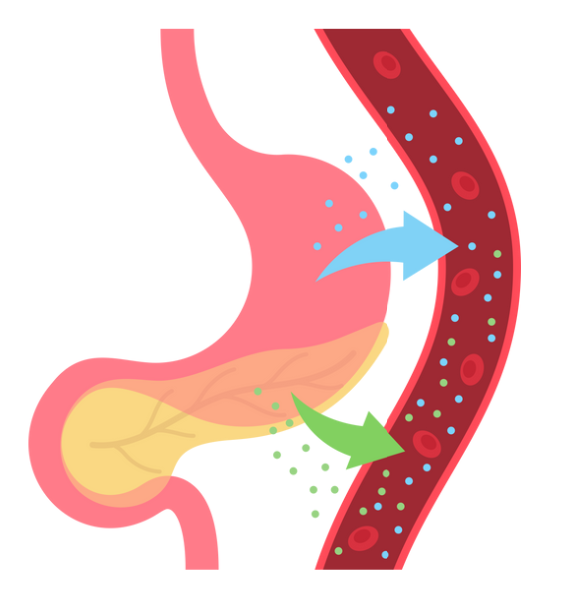
1. no single chemical lack is identified because the condition is hereditary and conformational
2. cartilage support molecules such as glycosaminoglycan and hyaluronate may be inadequately produced in diseased joints

1. no single chemical lack is identified because the disease is mainly degenerative and mechanical

1. thyroid hormone is lacking and metabolic state is reduced
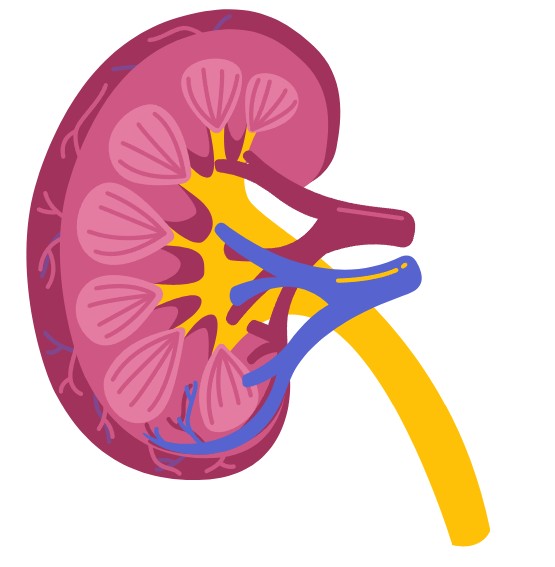
1. no single chemical lack is identified because plaque biofilm and oral bacteria are primary factors

+852 6358 3131
香港中環德輔道中84-86號章記大廈9樓01室
週一到週日,早上10點到下午9點
 +852 9160 8619
 +852 9160 8619