我們的服務
寵物護理服務
獸醫服務
其他
Length range : 81.0-102.0 cm
Height range : 53.0-69.0cm
Weight range : 16.0-34.0kg
Coat : short|dense|straight
Life expectancy years : 10-14
Colors: red|blue|merle|brindle|black|gray|yellow.
Activitity Level : High
Origin: United States
Similar Breeds : Catahoula Leopard Dog|Plott Hound|Mountain Cur|Treeing Walker Coonhound
The breed was originally registered in 1960 as the American Leopard Cur and the name changed to American Leopard Hound in May 2008. Its deeper ancestry is debated , with theories including development from mixed dogs in the United States and from crosses involving Spanish and Mexican hunting dogs. It was established in eastern North Carolina by the early 1700s and later spread westward to Kentucky , Tennessee , Texas and Oklahoma as a hunting dog.
alert|focused|loyal|protective|trainable
intelligent|loving|affectionate|sociable|energetic|eager to please
high exercise|mental stimulation|secure space|training|regular ear care
loving with family|protective of children|gets along with other dogs and animals with training
short coat with low routine grooming|occasional brushing|seasonal shedding|bathe only when dirty|regular ear cleaning|regular nail care
high-quality age-appropriate dog food|commercial or home-prepared with veterinary supervision|watch calorie intake and weight|treats in moderation|fresh clean water always available
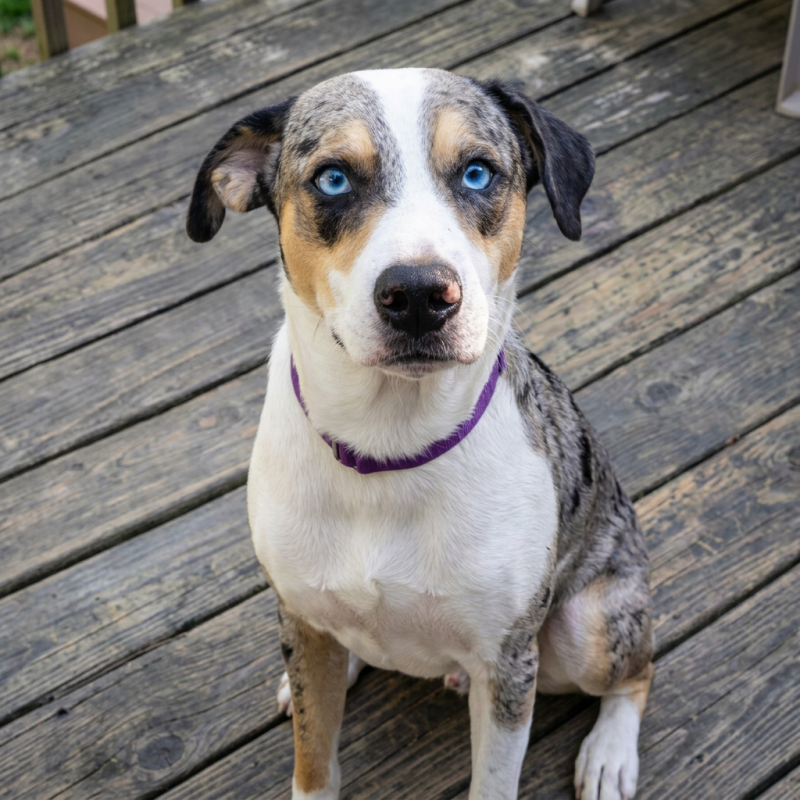
Lean and powerful build|short dense coat|medium-length drop ears|rounded wide-set eyes|alert upright bearing|tough feet for uneven terrain
It was once registered as the American Leopard Cur and is known for being able to track prey for miles while working as a classic American tree dog.
Traumatic Injuries, Ear Infections, Gastric Dilatation-Volvulus, Hip Dysplasia, Periodontal Disease
1. lacerations with bleeding
2. sudden lameness or limping
3. swelling and pain on touch
4. inability to use a limb
5. deformity or puncture wounds
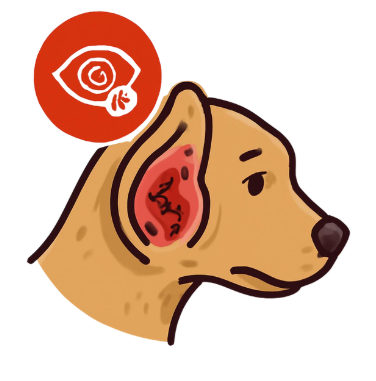
1. head shaking
2. ear scratching
3. foul or yeasty odor
4. brown waxy or yellow-green discharge
5. pain , redness , inflammation
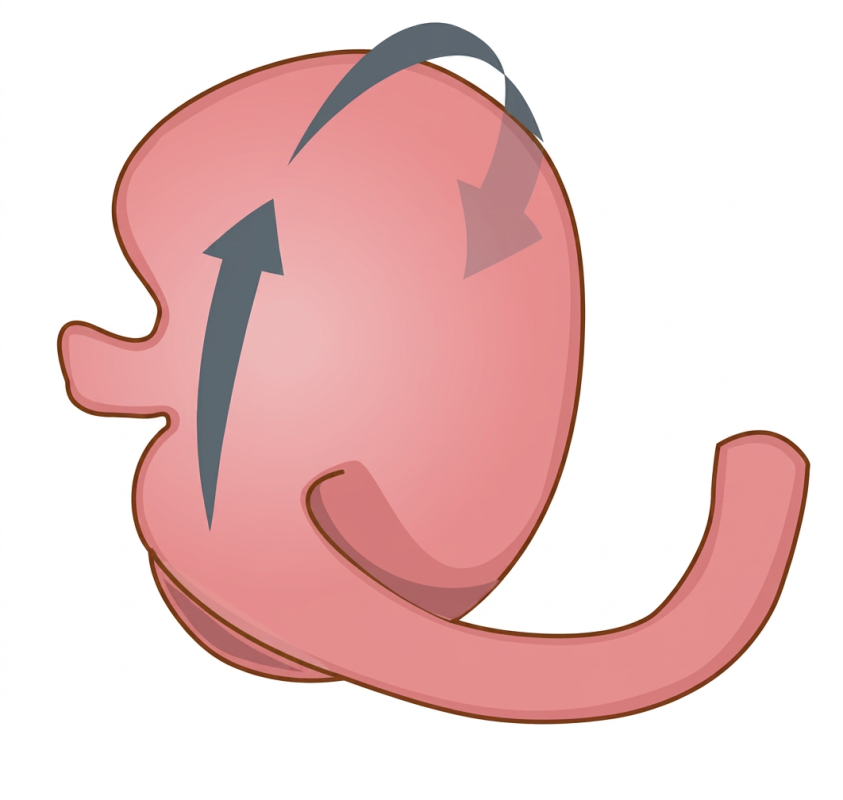
1. non-productive retching
2. distended hard abdomen
3. restlessness or pacing
4. drooling and rapid breathing
5. weakness or collapse
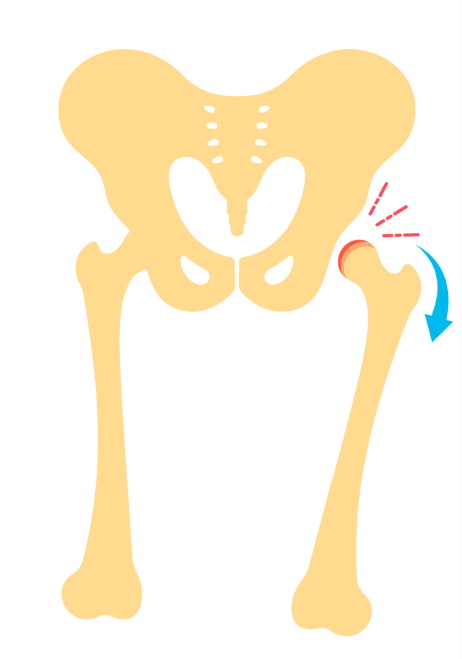
1. stiffness after rest
2. hindlimb lameness
3. bunny-hopping gait
4. difficulty rising or climbing
5. loss of thigh muscle mass
1. halitosis
2. excessive salivation or blood in saliva
3. dysphagia or difficulty eating
4. pain on mastication
5. loose teeth
1. signs may begin suddenly after a specific traumatic event
2. can occur at any age and may be more common in active young and adult dogs
1. extremely high likelihood in active working dogs because field injury is a major occupational risk
1. signs may occur from puppyhood onward
2. they may recur as a lifelong management issue
1. extremely high likelihood due to pendulous ear anatomy and trapped moisture , debris
1. onset is sudden and acute
2. it may occur within hours of a large meal , vigorous exercise around feeding time or rapid water intake and is more common in adults and seniors
1. high risk because deep-chested and larger dogs are predisposed
1. signs may first appear in growing dogs around 6 to 12 months
2. they may become more apparent after 2 years as arthritis develops
1. moderate likelihood because large active dogs may be affected and OFA hip evaluations are recommended
1. the great majority of dogs over 3 years may have disease warranting intervention
2. progression may follow plaque accumulation over years
1. high likelihood because periodontal disease is common in dogs and especially relevant with advancing age
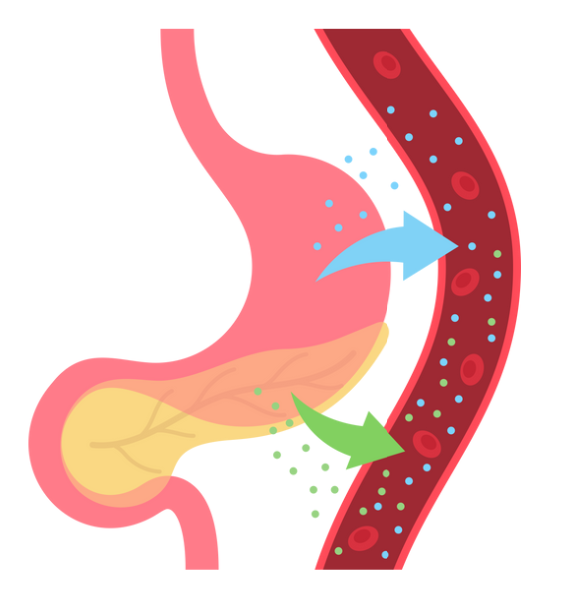
1. no true chemical lack is indicated because trauma is mechanical
2. adequate protein and calories may support tissue repair

1. no true chemical lack is indicated because this is a mechanical and circulatory emergency

1. no true chemical lack is indicated because anatomy and moisture are the main issues
2. air circulation is functionally lacking in pendulous ears
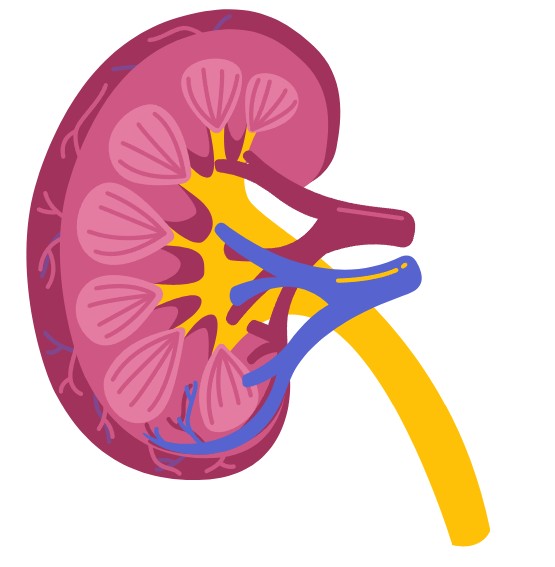
1. no true chemical lack is indicated because this is a genetic and conformational disorder
2. joint cartilage support molecules may not keep pace with damage as arthritis develops

+852 6358 3131
香港中環德輔道中84-86號章記大廈9樓01室
週一到週日,早上10點到下午9點
 +852 9160 8619
 +852 9160 8619