我們的服務
寵物護理服務
獸醫服務
其他
Length range : 46.0-58.0 cm
Height range : 30.0-41.0cm
Weight range : 3.0-11.0kg
Coat : none to short|hairless with eyebrows and whiskers|coated variety with very short shiny coat
Life expectancy years : 12-15
Colors: pink|black|gray|red|golden|blue.
Activitity Level : Moderate
Origin: United States
Similar Breeds : Rat Terrier|Toy Fox Terrier|Miniature Pinscher|Jack Russell Terrier|Chinese Crested
The breed descends from Rat Terriers and earlier feists used for rat hunting in England before development in the United States. Its modern origin traces to a hairless Rat Terrier named Josephine bred by Edwin and Willie Scott. The first all-hairless litter arrived in 1983. The American Hairless Terrier Club of America formed in 2009 and AKC recognized the breed in 2016.
Alert|playful|loyal|protective|affectionate|terrier-bold
smart|inquisitive|playful|intelligent|eager to please|affectionate|loyal
moderate to high skin care|moderate exercise|mental stimulation|training|sun and cold protection|routine dental care
gets along well with children and other animals when socialized|good for families , singles , couples , apartment dwellers
weekly or occasional bathing depending on skin needs|minimal shedding in coated type|regular skin moisturizing|routine ear , nail , dental care|sun protection and sweaters in cold weather
high-quality age-appropriate dog food|AAFCO-compliant diet is appropriate|watch calories and weight|small frequent meals for puppies under 4 months|two meals daily for adults|fresh water always available
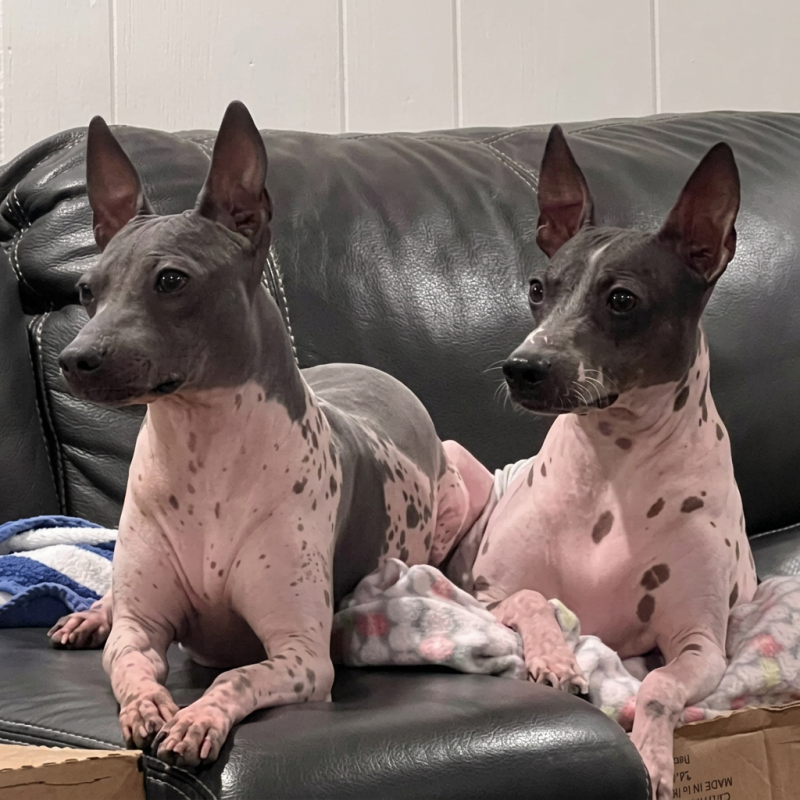
Broad wedge-shaped head|small head with medium-length muzzle|erect V-shaped ears|round expressive eyes|long tapered tail|hairless skin with eyebrows and whiskers or short shiny coat
One of the few dogs that can sweat and its modern line traces back to a single hairless Rat Terrier named Josephine.
Skin Conditions, Atopic Dermatitis, Patellar Luxation, Dental Disease, Legg-Calve-Perthes Disease
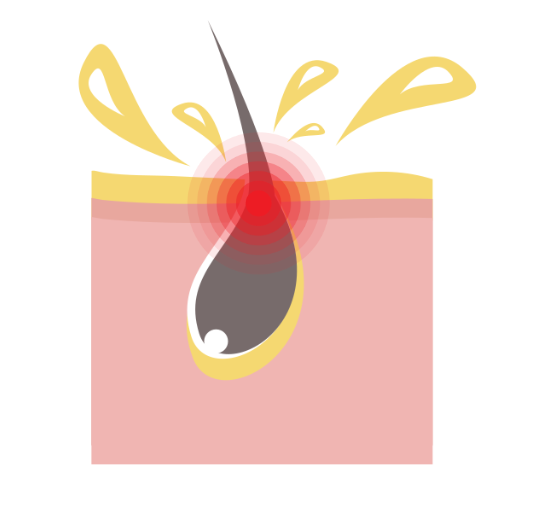
1. red or hot skin
2. dry rough flaky skin
3. comedones or blackheads
4. rashes , abrasions , irritation
5. possible inflammation or infection
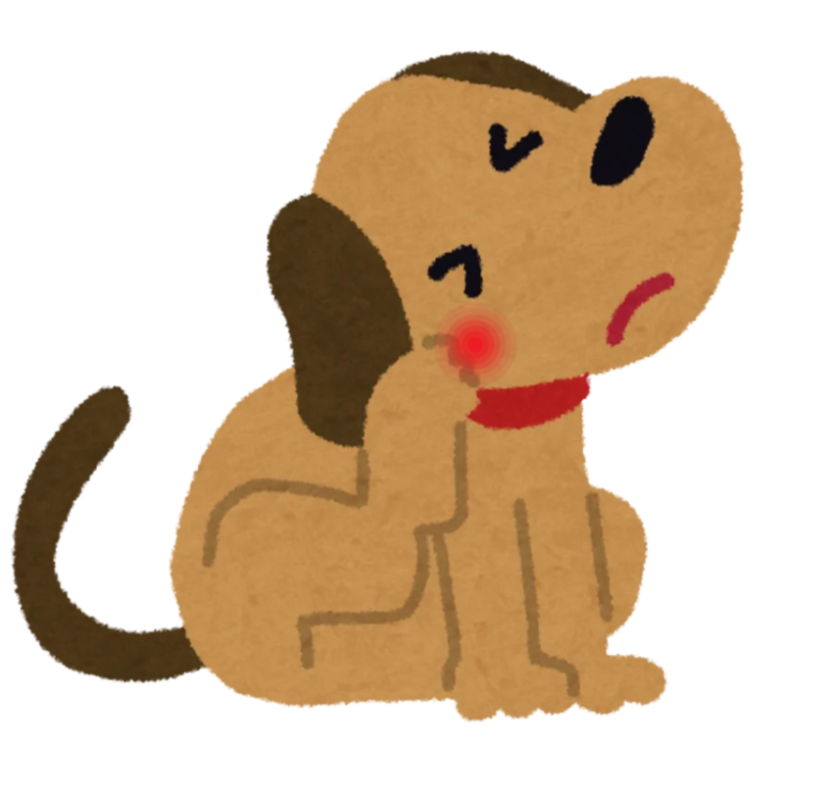
1. intense itching
2. erythema
3. scaling , crusting , excoriations
4. foot licking or face rubbing
5. recurrent otitis or secondary skin infection
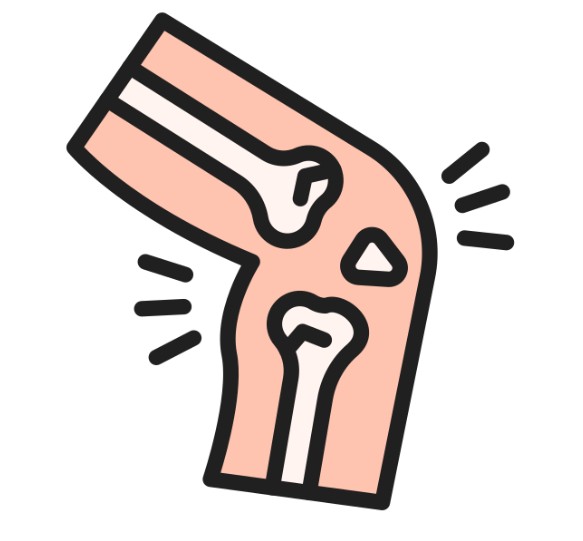
1. skipping gait
2. carrying limb for a few steps
3. extending or shaking leg
4. bow-legged appearance in severe young dogs
5. progressive lameness or limb disuse
1. halitosis
2. drooling or blood-tinged saliva
3. red , swollen , bleeding gums
4. difficulty chewing or dropping food
5. loose teeth
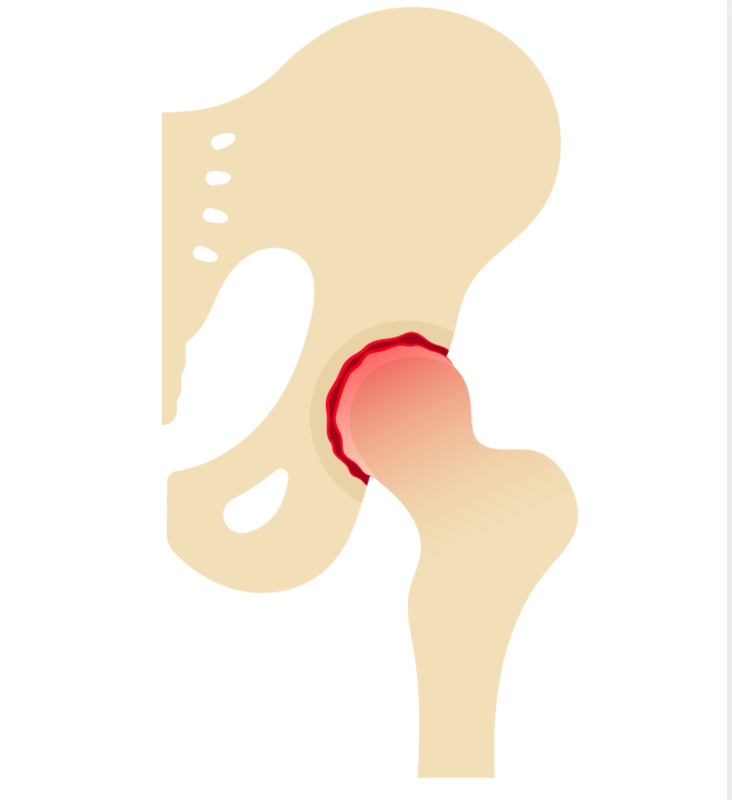
1. progressive hindlimb lameness
2. hip pain on handling
3. thigh muscle atrophy
4. irritability from chronic pain
5. reduced weight bearing
1. may occur from puppyhood onward
2. sunburn may begin with first significant sun exposure
3. comedones may appear during or after adolescence
1. extremely high likelihood without preventive care because exposed skin is inherently vulnerable
1. usually begins between 6 months and 3 years
2. signs may be mild at first and then become clinically apparent
1. high risk because allergic skin disease is common in dogs and terrier lines may be predisposed
1. may first be noticed in puppies or young dogs
2. diagnosed in 7 percent of puppies and may worsen over time
1. moderate to high likelihood because it is a common orthopedic condition in small dogs
1. early gingivitis may appear by 2 to 3 years
2. over 80 percent of dogs over 3 years may have active dental disease
1. extremely high likelihood because more than two-thirds to over 80 percent of dogs over 3 years may have disease
1. typically appears in young growing dogs between 4 and 12 months
1. low to moderate likelihood as a recognized inherited small-breed risk
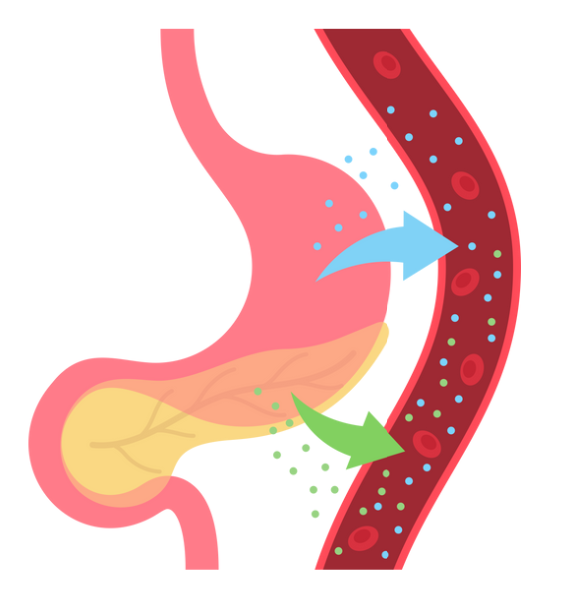
1. essential fatty acids and ceramide-supported skin barrier lipids may be reduced in function and dryness may reflect lipid imbalance

1. no true chemical lack is indicated because it is a structural misalignment disorder though cartilage support may become insufficient with wear

1. no true chemical lack is indicated because it is a hypersensitivity disorder
2. impaired epidermal barrier and altered fatty acid balance may contribute
3. mediators such as histamine , cytokines , leukotrienes and prostaglandins are involved
1. no true chemical lack is indicated because plaque biofilm and bacteria are primary factors

+852 6358 3131
香港中環德輔道中84-86號章記大廈9樓01室
週一到週日,早上10點到下午9點
 +852 9160 8619
 +852 9160 8619