我們的服務
寵物護理服務
獸醫服務
其他
Length range : 56-64 cm
Height range : 43-52cm
Weight range : 11-18kg
Coat : short smooth dense single coat without undercoat
Life expectancy years : 10-13
Colors: black|fawn|brindle|white|piebald|white and black|white and brindle|white and fawn|yellow-brown|earthy yellow.
Activitity Level : High
Origin: Taiwan
Similar Breeds : Australian Cattle Dog|Norwegian Buhund|Formosan Mountain Dog
The breed is ancient and is believed to descend from South Asian hunting dogs that lived with indigenous tribes in Taiwan’s central mountains for thousands of years. Its purity declined after imported dogs arrived and the breed nearly disappeared in the 20th century before recovery efforts and research programs in the 1970s and 1980s helped preserve it. The FCI granted provisional recognition in 2004 and final recognition in 2015.
bold|fearless|keen-sensed|watchful|loyal|sometimes stubborn
loyal|alert|intelligent|agile|fearless|devoted|protective|independent
serious daily exercise|mental stimulation|secure fencing|early socialization|positive training|warm shelter in cold weather
forms an extremely close bond with family or one primary person|can be reserved with strangers|may coexist with children and pets if socialized early
Coat care is simple with occasional brushing using a soft bristle or slicker brush and a weekly wipe-down with a damp cloth. Check ears weekly , trim nails every two to three weeks , and bathe only as needed with a mild shampoo.
Feed a balanced diet based on age , weight and activity level with adequate protein , fats , carbohydrates , vitamins and minerals. Avoid overfeeding to protect joints and maintain a healthy body condition.
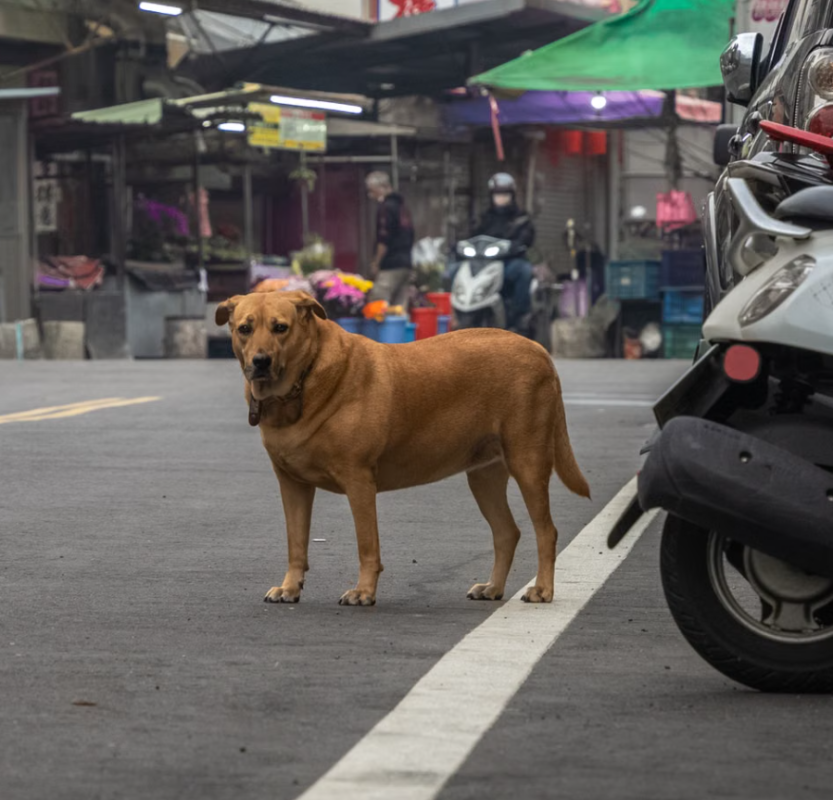
medium dog with triangular head|almond-shaped dark eyes|thin erect ears|black nose usually preferred|single short harsh coat|sickle tail|dry sinewy and well-proportioned build
The Taiwan Dog is considered one of the oldest surviving dog breeds and is thought to descend directly from ancient South Asian hunting dogs. It can pivot sharply and is known for remarkable agility in rugged terrain.
Canine Hip Dysplasia, Progressive Retinal Atrophy, Luxating Patella, Cataracts, Atopic Dermatitis
1. Bunny-hopping gait
2. Difficulty or stiffness when rising
3. Reluctance to run , jump or climb stairs
4. Hind-limb muscle loss may develop
5. Hip pain or swaying gait may appear.
1. Night blindness
2. Hesitation in dim light
3. Dilated pupils
4. Increased eye shine or reflective eyes
5. Eventual daytime vision loss may occur.
1. Intermittent skipping gait
2. Sudden hopping on three legs
3. Limp that comes and goes
4. Popping sounds or joint stiffness may occur
5. Reluctance to jump or climb may develop.
1. Cloudy or bluish-white eye center
2. White spot , streak or icy appearance may occur
3. Bumping into objects
4. Hesitation in dim areas
5. Progressive vision loss may develop.
1. Chronic itching
2. Redness around face , paws , axillae or groin
3. Recurrent ear irritation or infections
4. Face rubbing may occur
5. Darkened or thickened skin may develop with chronic scratching.
Signs may appear during rapid growth from about 4 to 12 months of age or later when osteoarthritis develops in mature dogs.
Moderate risk is described and the breed guidance emphasizes hip screening because joint problems can occur despite overall breed hardiness.
It typically presents in young adulthood to middle age and is often recognized between 3 and 6 years of age depending on the genetic variant.
Low to moderate risk is described and PRA is specifically listed among breed health concerns.
It usually becomes noticeable between 4 and 12 months of age although mild cases may remain undiagnosed until adulthood.
Low to moderate risk is described and knee screening is highlighted in breeder health oversight.
Juvenile inherited forms may appear between 1 and 4 years of age while age-related cataracts may appear in mature to senior dogs.
Low to moderate risk is described and eye screening is specifically emphasized in breed health guidance.
It typically develops between 1 and 4 years of age.
Moderate risk is described and diagnosis may require exclusion of other skin diseases because no reliable biomarker confirms CAD by itself.
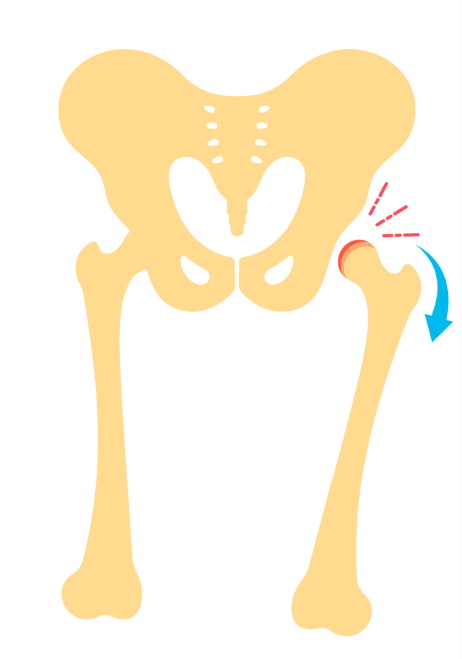
Normal hip joint stability is lacking because the coxofemoral joint forms incorrectly and becomes lax. This inherited laxity leads to cartilage loss and bony remodeling over time. Proper control of growth influences may be lacking when rapid weight gain or overfeeding worsens expression in predisposed dogs. The resulting instability can increase pain and osteoarthritis risk.

Stable alignment of the kneecap support system is lacking because the patella can shift away from its normal groove. Abnormal knee anatomy and shallow groove support reduce normal tracking. No nutrient deficiency is identified as the direct cause in the supplied texts. Obesity can worsen disease severity and complication risk even though it does not directly cause the condition.

Functional retinal photoreceptor cells are progressively lacking because rods and cones degenerate over time. Rod function for night vision is lost first in true PRA and cone loss follows. No nutrient deficiency is identified as the direct cause because inherited retinal degeneration is the core problem. Progressive cellular loss can culminate in complete blindness.
Lens transparency is lacking because the lens becomes opaque and no longer focuses light normally onto the retina. The supplied texts link this to inherited factors as well as trauma , chronic eye disease or inflammation in some dogs. No specific nutrient deficiency is identified as the direct cause. As opacity progresses , vision can decline and blindness may occur.
Normal skin barrier protection is lacking because epidermal barrier defects allow allergens to penetrate more easily. Balanced immune response control is also lacking because immune dysregulation drives exaggerated inflammation. These defects can increase susceptibility to environmental triggers such as pollen , mites and molds. Chronic exposure and inflammation can sustain pruritus and skin damage.

+852 6358 3131
香港中環德輔道中84-86號章記大廈9樓01室
週一到週日,早上10點到下午9點
 +852 9160 8619
 +852 9160 8619