我們的服務
寵物護理服務
獸醫服務
其他
Length range : 41-55 cm
Height range : 41-55cm
Weight range : 13-23kg
Coat : medium-length double coat with coarse outer layer and soft dense undercoat|mane-like ruff|feathered legs|plumed tail
Life expectancy years : 10-14
Colors: white spotted with red patches|white spotted with tan patches|white spotted with black patches|white spotted with gray patches|white|gray and white|red and white|black and white|white and tan|brown and white.
Activitity Level : High
Origin: Thailand
Similar Breeds : Akita Inu|Japanese Spitz|Thai Ridgeback|Keeshond|Akita Chow
The breed likely originated in Bangkaew village in Phitsanulok province in Thailand and emerged during the last century. Common accounts describe a local abbot caring for a pregnant dog believed to have been mated with a wild dog or Asiatic jackal and the resulting line was later crossed with local herding dogs. Selective breeding refined the breed by the mid-20th century , a standard was developed in 1957 , FCI accepted the breed on a definitive basis in 2022 , and the AKC Foundation Stock Service accepted it in July 2023.
wary of strangers|can be stubborn|protective of family|loyal to people|active outdoors|can be challenging but rewarding
intelligent|athletic|loyal|playful|alert|protective|watchful
daily vigorous exercise|frequent brushing|early socialization|experienced handling|regular ear care|yard or outdoor space
loyal with family|often wary of strangers and other dogs|may do better with older children|protective family watchdog
The thick double coat needs frequent to daily brushing especially during shedding periods to prevent mats and remove loose fur. Bathe about every 6 to 8 weeks without overbathing and keep up with ear checks , teeth brushing and nail trims.
Feed a high-quality diet appropriate for age , size and activity level with good protein and balanced vitamins and minerals. Measure meals to avoid overfeeding and limit excess carbohydrates or filler ingredients that may promote weight gain.
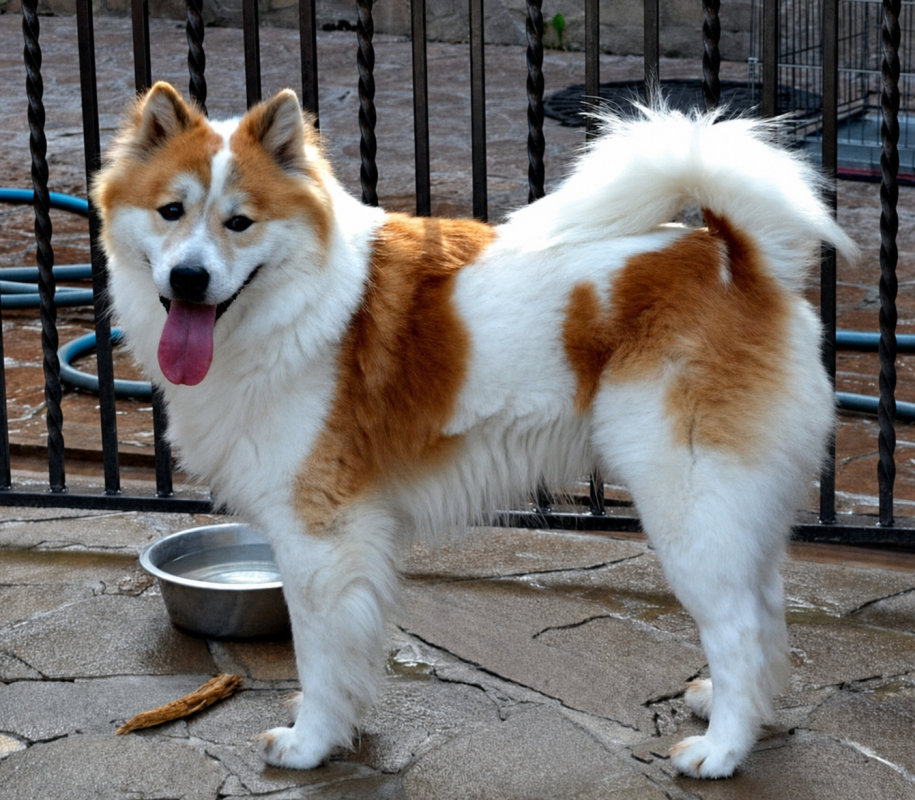
medium-sized square-built spitz-type dog|wide deep chest|thick double coat with ruff and feathering|wedge-shaped head|small triangular erect ears|long plumed tail|coat always white spotted with colored patches
A Bangkaew reportedly gained fame in Thailand after preventing the robbery of a famous Thai actor’s home in 2014. The breed remains uncommon outside Thailand despite strong popularity in its homeland.
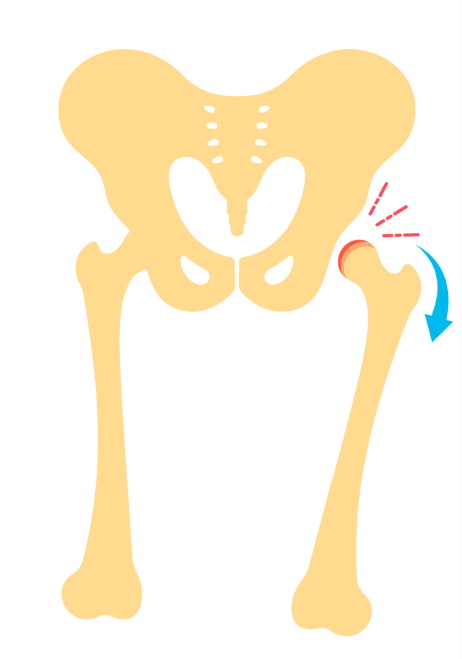
Canine Hip Dysplasia, Progressive Retinal Atrophy, Cataracts, Luxating Patella, Atopic Dermatitis
1. Bunny-hopping gait
2. Difficulty or stiffness when rising
3. Reluctance to climb stairs or run
4. Hind-limb muscle atrophy
5. Hip pain may occur. || Progressive Retinal Atrophy
1. Initial night blindness
2. Hesitation in dim light
3. Dilated pupils
4. Increased eye reflectivity
5. Eventual daytime vision loss may occur. || Cataracts
1. Cloudy or bluish-white eye appearance
2. White spot or streak may appear
3. Bumping into objects
4. Hesitation in dim light
5. Depth perception changes may occur. || Luxating Patella
1. Intermittent skipping gait
2. Sudden hopping on three legs
3. Audible popping in the knee may occur
4. Joint stiffness
5. Reluctance to jump or climb. || Atopic Dermatitis
1. Chronic itching
2. Redness around face , paws , axillae and groin
3. Frequent ear infections
4. Face rubbing may occur
5. Darkened or thickened skin may develop.
It can present during rapid growth from about 4 to 12 months of age or later in life as osteoarthritis develops.
High breed-specific risk is described in the supplied health text and the breed club strongly recommends hip screening.
It typically presents in young adulthood to middle age from about 3 to 6 years of age depending on the genetic line and often begins with night vision decline.
Moderate to high breed-specific risk is described and the breed club recommends ophthalmologist eye screening because inherited eye disease markers are not fully understood.
Juvenile inherited forms can appear from about 1 to 4 years of age and cataracts can also develop in mature to senior dogs or at any age in some cases.
Moderate risk is described and eye disease is noted as a minor concern in the breed.
It typically becomes noticeable between 4 and 12 months of age although mild grades may remain undiagnosed until adulthood.
Moderate risk is described and the breed club strongly recommends patella evaluation.
It typically develops between 1 and 4 years of age and onset is generally between 6 months and 3 years.
Moderate risk is described and recurrent ear and skin signs may occur in susceptible dogs.

Normal hip joint stability is lacking because the coxofemoral joint forms incorrectly and becomes lax. Cartilage protection is reduced as inherited laxity leads to abnormal wear and bony remodeling. Proper growth control may also be lacking when rapid growth , excess calories or improper calcium balance worsen expression in predisposed dogs. The resulting instability can increase pain and osteoarthritis risk.

Normal lens transparency is lacking because the crystalline lens becomes opaque. The supplied texts describe inherited lens changes as well as secondary causes such as trauma , diabetes or chronic eye disease. No nutrient deficiency is identified as the direct cause. Reduced light transmission can progressively impair vision.

Normal retinal cell survival is lacking because inherited variants drive degeneration of rods and cones. Rod function is lost first in true PRA which reduces night vision before daytime vision worsens. No nutrient deficiency is identified as the direct cause. Progressive retinal cell loss can eventually lead to complete blindness.

Normal alignment of the quadriceps mechanism is lacking because the kneecap is not guided securely within the femoral groove. A shallow trochlear groove and tibial tuberosity displacement reduce normal tracking support. No nutrient deficiency is identified as the direct cause. Joint instability can therefore alter gait and increase wear over time.

Normal skin barrier protection is lacking because epidermal barrier defects allow allergens to penetrate more easily. Balanced immune regulation is also lacking because immunological dysregulation drives exaggerated inflammatory responses. These defects can increase susceptibility to pollen , dust mites , molds and similar triggers. Chronic inflammation can then sustain pruritus , ear disease and skin thickening.

+852 6358 3131
香港中環德輔道中84-86號章記大廈9樓01室
週一到週日,早上10點到下午9點
 +852 9160 8619
 +852 9160 8619