我們的服務
寵物護理服務
獸醫服務
其他
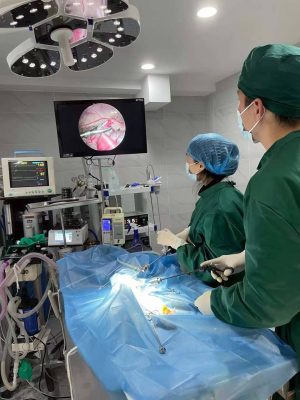
Length range : 48-51 cm
Height range : 25-28cm
Weight range : 4-7kg
Coat : medium-long silky double coat with undercoat and lion-like mane
Life expectancy years : 12-16
Colors: all colors|mixed colors allowed|fawn|golden|cream|red|white|black|black-and-tan|patched|shaded.
Activitity Level : Moderate
Origin: Tibet
Similar Breeds : Pekingese|Japanese Chin|Lhasa Apso
This ancient breed developed in Tibetan monasteries where Buddhist monks kept it as a companion , lookout and alarm dog on walls and high perches. It reached England in the late nineteenth to early twentieth century and later the United States in the 1960s. The AKC recognized the breed in 1984.
lively|alert|even-tempered|friendly|assertive|intelligent|reserved|loyal|independent
affectionate|intelligent|independent|alert|loyal|curious|cheerful|self-assured
regular brushing|moderate exercise|shade and cooling in warm weather|socialization|gentle consistent training|weight control|routine eye and joint monitoring|dental care
bonds closely with family|often good with children and other pets when socialized|reserved with strangers|does not enjoy being left alone for long|likes to stay close to people
Brush about twice weekly or more during shedding seasons to remove loose hair and prevent matting especially behind the ears and on tail fringes. No body trimming is needed apart from hair on paw pads. Regular nail trimming and dental care are important.
Feed a balanced AAFCO-compliant diet matched to life stage. Puppies should eat at least three meals daily to help avoid low blood sugar and adults are commonly fed measured meals twice daily. Monitor portions carefully to prevent excess weight.
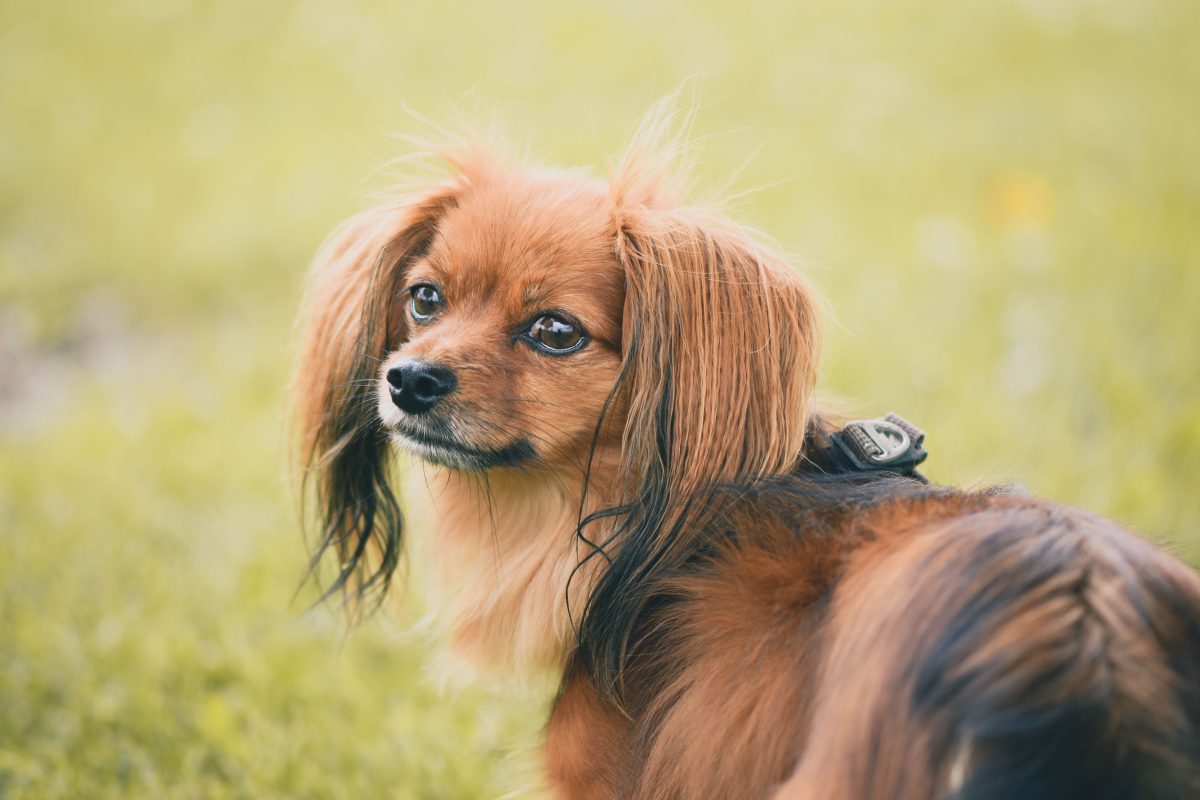
The Tibetan Spaniel is a small, active, and alert dog with a body slightly longer than its height. An ideal height of about 10 inches and a weight of 9 to 15 pounds, featuring a silky double coat, a distinctive “lion’s mane” around the neck, and an expressive, ape-like facial look.
Despite the name , the Tibetan Spaniel is not a true spaniel. Monks used these little lions as high-perched watchdogs and treasured companions and they were sometimes described as cat-like because of their independence and climbing habits.
Progressive Retinal Atrophy, Patellar Luxation, Cataracts, Atopic Dermatitis, Brachycephalic Obstructive Airway Syndrome
1. Night blindness
2. Dilated pupils
3. Increased eye shine
4. Hesitation in dark areas
5. Clumsiness or bumping into objects may occur.
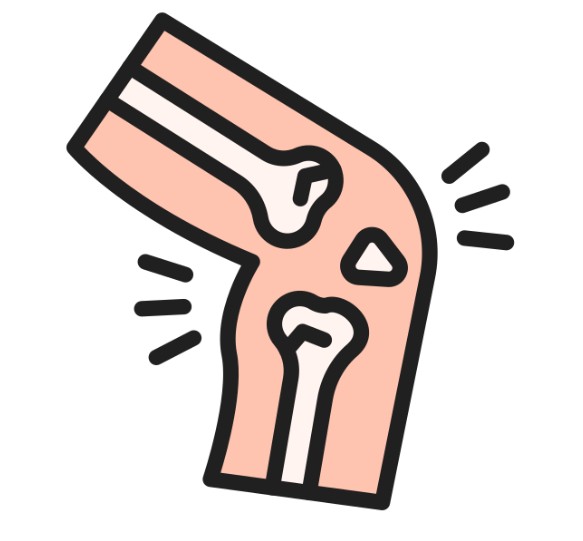
1. Sudden skipping gait
2. Holding up one hind leg
3. Intermittent limp
4. Stiff or awkward movement
5. Popping sounds or reluctance to jump may occur.
1. Cloudy or opaque lens appearance
2. White spot , streak or icy eye appearance
3. Blurry vision
4. Bumping into objects
5. Vision loss may progress to blindness.
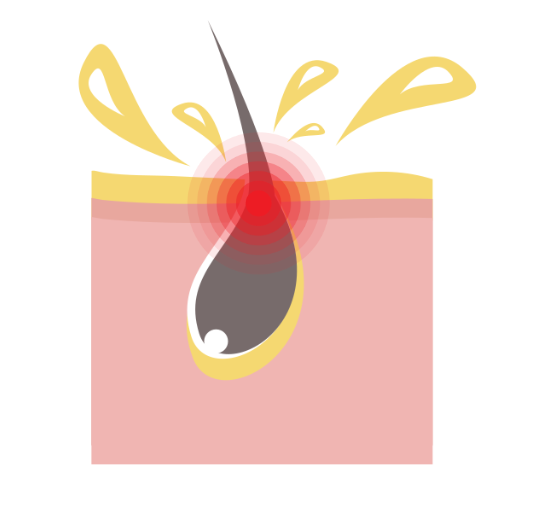
1. Chronic itching
2. Redness around paws , face , axillae or groin
3. Ear rubbing or recurrent ear issues
4. Thickened or darkened skin may occur
5. Secondary skin infections may occur.
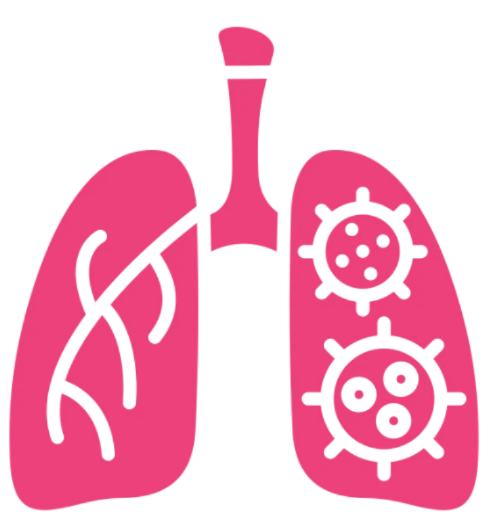
1. Snorting or noisy breathing
2. Exercise intolerance
3. Overheating easily
4. Gagging or coughing may occur
5. Blue-tinged gums may occur under stress or heat.
It usually begins in adulthood and breed-matched external health notes place common onset between 3 and 6 years of age.
High breed-specific concern is supported because Tibetan Spaniels are listed among breeds with genetic variants that increase PRA risk.
It is commonly observed between 4 and 12 months of age although mild cases may not be recognized until adulthood.
High breed-specific risk is supported because Tibetan Spaniels are specifically listed among predisposed breeds.
Signs can appear by 6 to 12 months of age and may worsen with age , heat or weight gain.
Moderate to high risk is described in breed-matched external health notes because the breed has a shortened muzzle and heat intolerance is noted in breed information.
It typically develops in young dogs under 3 years of age and external health notes place common onset between 1 and 3 years.
Moderate risk is described in external health notes and diagnosis can be challenging because no single biomarker confirms the disease.
Juvenile inherited forms may appear between 1 and 4 years of age while age-related cataracts can appear in senior dogs.
Moderate risk is supported because hereditary cataracts can occur in dogs of any age although a breed-specific prevalence figure is not provided in the supplied texts.
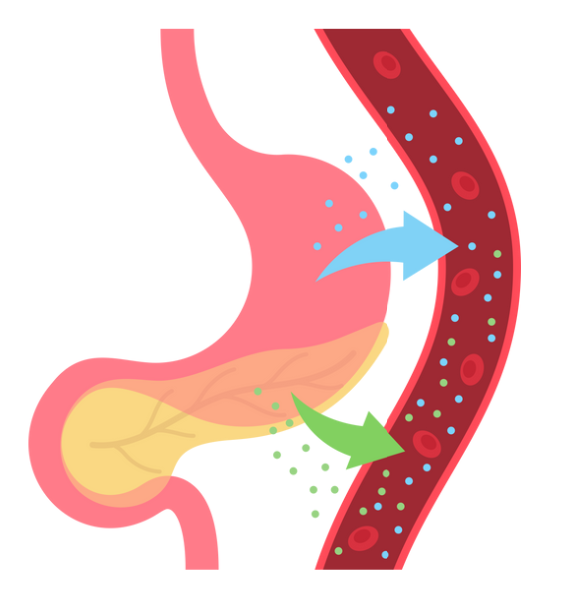
Normal retinal cell integrity is lacking because inherited genetic variants drive degeneration of rods and cones. No single lacking nutrient or chemical is established as the direct cause in the provided texts. Rod loss usually affects night vision first and cone loss follows over time. The result is progressive blindness.

Normal lens transparency is lacking once the lens becomes opaque. No nutrient or chemical deficiency is identified as the direct cause in the provided texts. Genetic factors , diabetes , trauma or chronic eye disease may contribute depending on the case. Reduced light passage then impairs normal vision.

Normal alignment of the kneecap within the femoral groove is lacking because the joint develops with structural instability. No specific chemical deficiency is identified as the direct cause in the provided texts. This instability can alter joint mechanics and contribute to discomfort and arthritis over time. Excess body weight may worsen the overall stress on the joint.
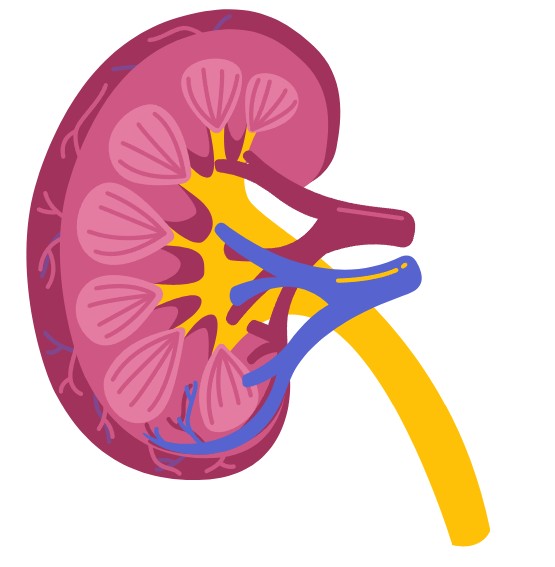
Normal skin barrier function is lacking and immunologic balance is disrupted in predisposed dogs. The provided texts describe allergen-specific IgE responses and skin barrier dysfunction without a single definitive biomarker. This impaired barrier can allow allergens to penetrate more easily and trigger inflammation and pruritus. No simple nutrient deficiency is identified as the sole cause.
Normal airway space is lacking because shortened facial bones leave less room for soft tissues and can narrow airflow passages. No nutrient or chemical deficiency is identified as the direct cause in the provided texts. This reduced airway capacity can increase breathing effort and heat intolerance. The anatomic crowding may worsen functional obstruction during stress or exercise.

+852 6358 3131
香港中環德輔道中84-86號章記大廈9樓01室
週一到週日,早上10點到下午9點
 +852 9160 8619
 +852 9160 8619