我們的服務
寵物護理服務
獸醫服務
其他
Length range : 69-81 cm
Height range : 36-43cm
Weight range : 8-14kg
Coat : Long double coat with fine outer coat and woolly undercoat
Life expectancy years : 12-16
Colors: wide range of colors.
Activitity Level : Moderate
Origin: Tibet
Similar Breeds : Bearded Collie|Lhasa Apso|Polish Lowland Sheepdog
The breed traces back thousands of years to Tibetan monasteries where it served as a companion and watchdog and was associated with Buddhist monks. Modern breed history began in 1922 when Dr. Agnes Grieg received a Tibetan Terrier in northern India and later established the breed line recognized by kennel clubs. The AKC recognized the Tibetan Terrier in 1973.
affectionate|sensitive|clever|loyal|alert
affectionate|loyal|friendly|confident|alert|intelligent|playful|sensitive
a lot of grooming|regular exercise|early socialization|positive training|companionship|routine eye monitoring|coat maintenance to prevent mats
strongly devoted to family|reserved with strangers until familiar|does best with regular human company|can be good with children and other dogs when properly introduced|may not do well alone for long
High grooming needs. If kept long the coat needs frequent to daily brushing and combing to prevent matting. Weekly ear cleaning , routine nail care and baths as needed are recommended and many pet owners keep the coat trimmed shorter for easier care.
Feed a high-quality AAFCO-compliant diet for small- or medium-sized breeds and appropriate life stage. Adults are commonly fed twice daily and puppies three to four times daily. Treats should stay limited and supplements are generally only used when a veterinarian recommends them for skin or joint concerns.
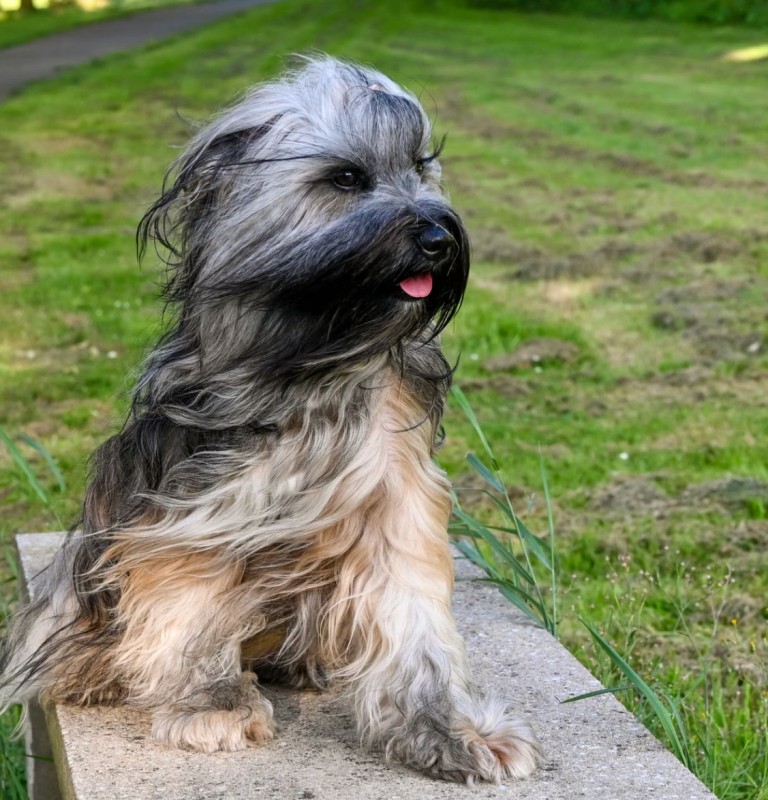
The Tibetan Terrier is a sturdy, medium-sized, square-built dog with a profuse double coat and unique large, flat “snowshoe” feet. Standing 14 to 16 inches tall, they possess an alert, loyal, and good-natured temperament, functioning historically as companions and watchdogs rather than true terriers.
Despite the name the Tibetan Terrier is not a true terrier. It is known as the Holy Dog of Tibet and its broad snowshoe feet helped it move across snowy mountain terrain.
Progressive Retinal Atrophy, Primary Lens Luxation, Hip Dysplasia, Cataracts, Neuronal Ceroid Lipofuscinosis
1. Night blindness 2. Reluctance to enter dark areas 3. Hesitance on stairs 4. Dilated pupils with reflective eyes 5. Bumping into objects or eventual blindness may occur. || Primary Lens Luxation
1. Red painful eye 2. Squinting 3. Increased tearing 4. Hazy or cloudy eye 5. Sudden vision loss or enlarged eye may occur. || Hip Dysplasia
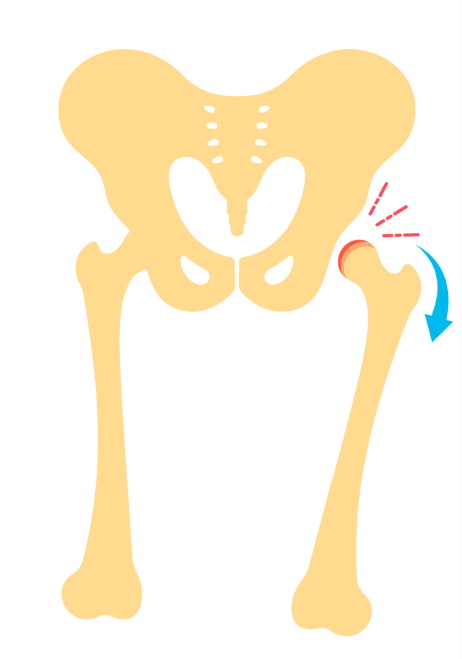
1. Bunny-hopping gait 2. Difficulty rising 3. Limping or stiffness 4. Reluctance to run , jump or use stairs 5. Decreased hindlimb muscle mass or hip pain may occur. || Cataracts
1. Cloudy or white lens appearance 2. Blurry vision 3. Bumping into objects 4. Hesitation in dim light 5. Progressive vision loss may occur. || Neuronal Ceroid Lipofuscinosis
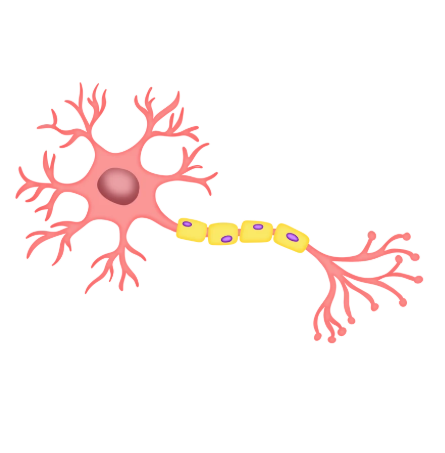
1. Aggression or anxiety 2. Uncoordinated gait 3. Stumbling or crossing over 4. Vision changes especially in dim light 5. Seizures , loss of house training or difficulty with stairs may occur.
It usually begins during adulthood and night vision is often affected first before vision loss gradually progresses.
Moderate to high breed-specific risk is present because Tibetan Terriers are listed among breeds with known PRA predisposition.
It most commonly develops between 3 and 8 years of age and structural eye changes may be evident by about 20 months.
Moderate to high breed-specific risk is present because the condition is inherited and prompt management is emphasized in predisposed breeds.
It typically becomes clinically evident in early to mid-adulthood and breed-matched external text places onset around 4 to 6 years of age.
Moderate to high breed-specific risk is present because the OFA provides a breed-specific DNA test for Tibetan Terriers and the disease is inherited.
They can develop at any age. Congenital cases are present at birth while inherited or diabetic cataracts may develop earlier and age-related cataracts may appear later in life.
Moderate risk is present because cataracts are a recognized ocular issue in Tibetan Terriers and may also occur secondary to diabetes or other eye disease.
Signs may appear as early as a few months old or later in life depending on severity and arthritis development.
Moderate risk is present because it is a recognized inherited orthopedic concern in the breed.
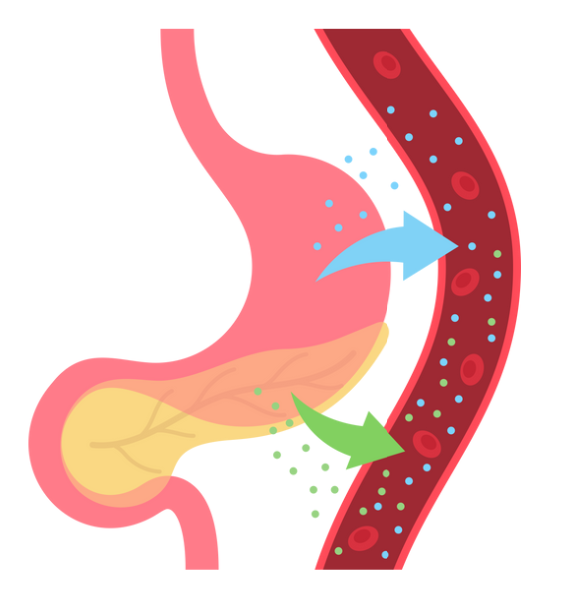
Normal retinal photoreceptor integrity is lacking because inherited genetic variants cause degeneration of rods and cones. No specific nutrient deficiency is identified as the direct cause in the provided texts. Rod loss affects night vision first and progressive cell loss leads toward blindness. The disorder is non-painful and inherited.

Normal hip joint conformity is lacking because the coxofemoral joint develops incorrectly and laxity occurs. No chemical deficiency is identified as the direct cause in the provided texts. This instability promotes cartilage loss and osteoarthritis over time. Rapid growth and overfeeding can worsen expression of the trait.

Normal zonular support of the lens is lacking because inherited weakness and breakdown of the supporting ligaments displace the lens. No nutrient deficiency is identified as the direct cause in the provided texts. Forward lens displacement can raise eye pressure and trigger glaucoma. The condition is painful and potentially blinding.
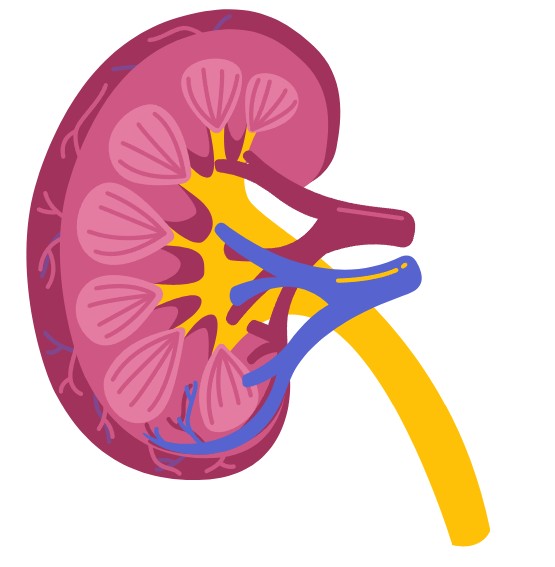
Normal lens transparency is lacking because the lens becomes opaque and no specific chemical deficiency is identified as the direct cause in the provided texts. In some dogs cataracts may be associated with diabetes mellitus , trauma or chronic eye disease. Loss of transparency reduces light transmission to the retina and impairs vision.
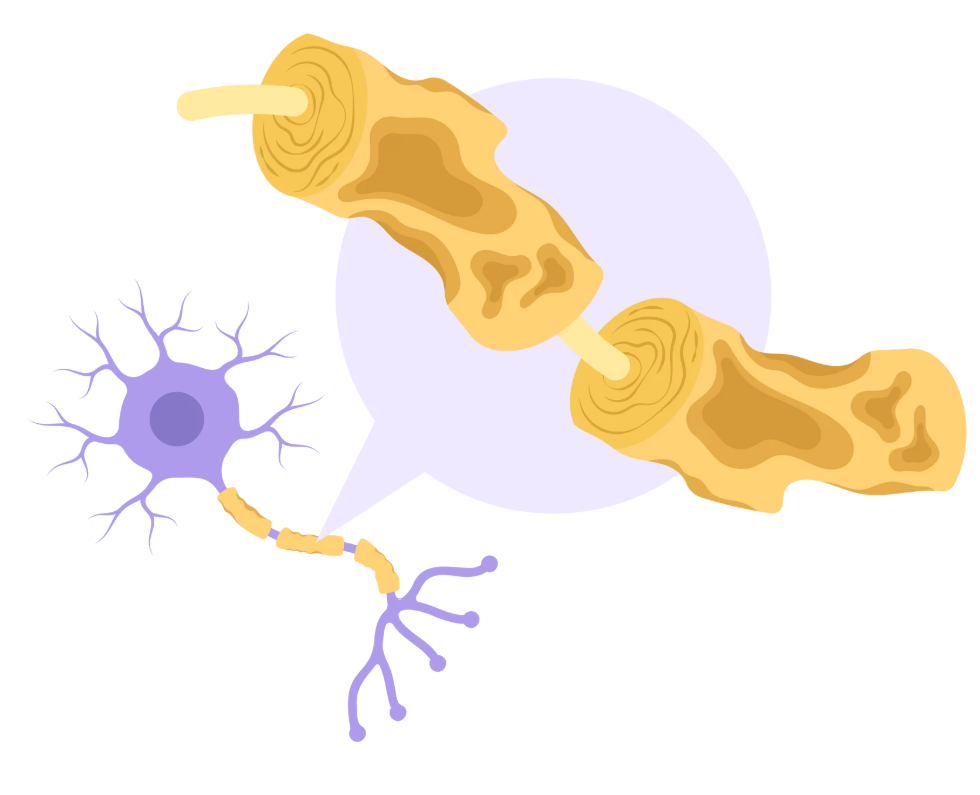
Lysosomal function is lacking because inherited mutation causes abnormal storage of autofluorescent lipopigment within nervous tissue. The provided texts do not name a specific missing nutrient or chemical replacement. This cellular storage disorder leads to progressive central nervous system degeneration. Neurologic signs and visual changes can worsen over time.

+852 6358 3131
香港中環德輔道中84-86號章記大廈9樓01室
週一到週日,早上10點到下午9點
 +852 9160 8619
 +852 9160 8619