我們的服務
寵物護理服務
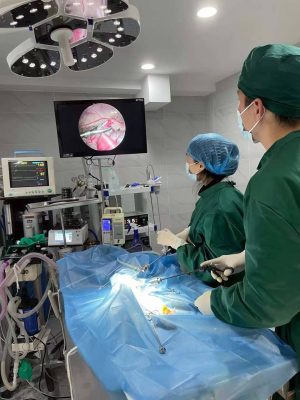
獸醫服務
其他
Length range : 30-43 cm
Height range : 22-29cm
Weight range : 2-4kg
Coat : Short , smooth , satin-like easy-care coat
Life expectancy years : 12-14
Colors: predominantly white|black markings|tan markings|black and tan on face , back and rear.
Activitity Level : High
Origin: United States
Similar Breeds : Smooth Fox Terrier|Rat Terrier|Chihuahua
The breed is a true American breed with British roots and descends directly from the larger Smooth Fox Terrier. Smaller versions were developed in the United States in the early to mid-1900s and were first used to control rat populations on farms before becoming popular companion dogs and performance dogs.
enthusiastic , confident , feisty , affectionate
affectionate|spirited|confident|loyal|curious|alert|intelligent|playful
daily exercise|mental stimulation|short fun training|attention from family|dental care|cold-weather protection
forms strong bonds with people|friendly with strangers in some sources|better with older considerate children|needs early socialization|may chase small animals
Grooming needs are low. Brush weekly or once or twice a week and wipe the coat down as needed. Keep nails trimmed , ears checked and teeth cleaned regularly. Because of the short coat , cold weather often requires a dog coat.
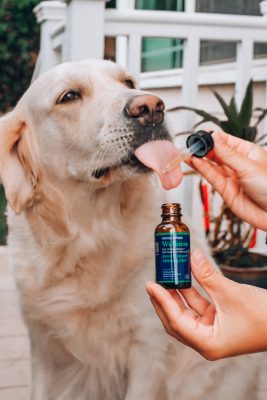
Feed a high-quality AAFCO-compliant diet appropriate for life stage. Small frequent meals can suit this small active breed and portion control matters because obesity can worsen orthopedic problems. Supplements may be considered only with veterinary guidance.
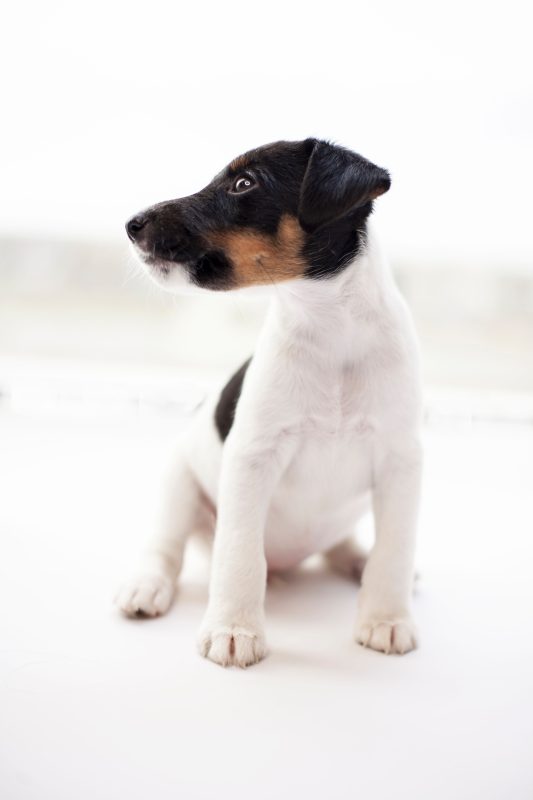
small muscular Bull Terrier with an egg-shaped head / triangular dark eyes / erect ears / powerful jaw and short glossy coat
Breed fanciers say the dog is truly a toy and a terrier. Though once valued as a farm ratter , the breed is now also known as a natural performer in agility , obedience and other activities.
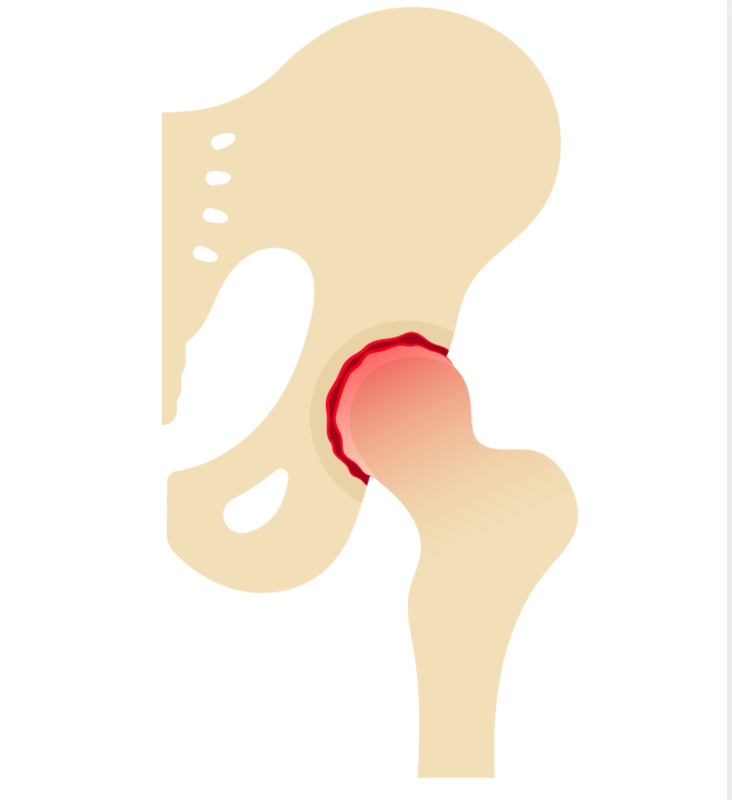
Luxating Patella, Primary Lens Luxation, Congenital Hypothyroidism with Goiter, Legg-Calvé-Perthes Disease, Von Willebrand Disease
1. Intermittent skipping gait
2. Sudden lifting or hopping on three legs
3. Limping or lameness
4. Bowlegged stance or stiff awkward gait in severe cases
5. Cracking or popping and reluctance to jump or climb may occur.
1. Sudden eye pain
2. Excessive tearing
3. Squinting or holding the eye closed
4. Red , hazy or cloudy eye
5. Visual impairment , pupil shape change or blindness may occur.
1. Stunted growth
2. Lethargy
3. Delayed opening of eyes and ear canals
4. Throat swelling from goiter
5. Dull coat , developmental delay or hearing and brain effects may occur.
1. Progressive hind-limb lameness
2. Pain with hip extension
3. Muscle atrophy in the thigh
4. Irritability
5. Refusal to bear weight or dislike of stairs and jumping may occur.
1. Bleeding gums
2. Recurrent nosebleeds
3. Bloody urine or feces
4. Excessive bleeding after nail trims , surgery or trauma
5. Prolonged bleeding may occur.
Typically becomes noticeable between 4 and 12 months of age though mild cases may remain unrecognized until adulthood.
High breed-specific risk may be present because this hereditary kneecap problem is specifically noted in Toy Fox Terriers and small breeds are commonly affected.
It most commonly develops between 3 and 8 years of age although structural eye changes may be evident as early as about 20 months.
High breed-specific risk may be present because many terrier breeds are predisposed and the provided breed-matched external health text identifies Toy Fox Terriers as at risk.
Delay in growth may be noticed around 2 weeks of age and symptoms become evident in very early puppyhood.
Moderate to high breed-specific risk may be present but DNA carrier screening may help manage breeding risk.
It occurs in young dogs less than one year old and is commonly noted around 5 to 8 months of age with radiographic changes possibly preceding lameness by weeks.
Moderate to high breed-specific risk may be present because the disease is common in toy and miniature breeds and is specifically listed for this breed.
It is present from birth and may first be recognized during teething , trauma , surgery or pre-operative screening.
Moderate breed-specific risk may be present because the breed is described as prone to this inherited bleeding disorder and pre-surgical screening is recommended.
Normal knee alignment is lacking because the quadriceps mechanism and patellar groove develop abnormally and the patella slips from position. No nutrient deficiency is identified as the direct cause in the provided texts. Medial displacement and shallow groove anatomy create instability. Repeated luxation can contribute to arthritis.

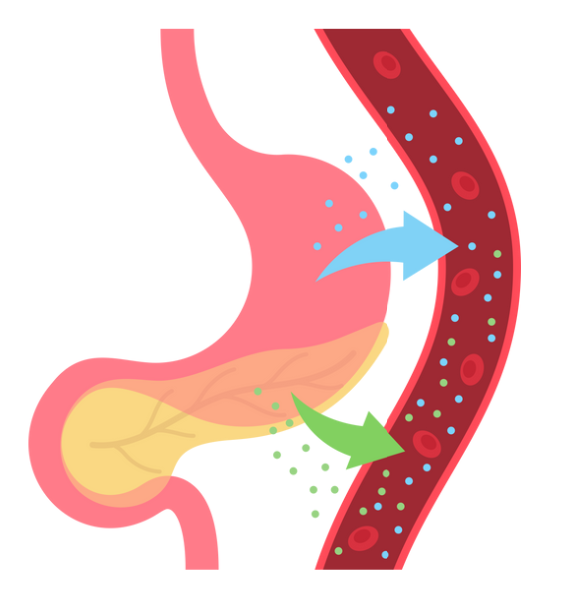
Thyroid hormones are lacking because the body cannot effectively produce adequate thyroid hormone. This hormone deficiency interferes with normal growth and development. Ongoing TSH stimulation can enlarge the thyroid gland and produce a goiter. Skeletal and neurologic development may be permanently affected if untreated early.

Structural strength of the zonules is lacking because inherited breakdown of the lens-supporting ligaments occurs. The ADAMTS17-related defect weakens the lens suspensory apparatus. This allows the lens to shift forward or backward in the eye. Forward displacement can rapidly raise pressure and lead to glaucoma.
Normal blood supply to the femoral head is lacking because vascular compromise leads to ischemic necrosis. No nutrient deficiency is identified as the direct cause in the provided texts. The femoral head and neck then collapse and joint incongruity develops. Secondary osteoarthritis and pain follow.
Von Willebrand factor is lacking because the disorder causes reduced concentrations of this clotting protein. This deficiency weakens platelet adhesion at sites of vessel injury. Factor VIII stabilization may also be reduced according to the provided VCA text. Bleeding can therefore become excessive after minor injury or surgery.

+852 6358 3131
香港中環德輔道中84-86號章記大廈9樓01室
週一到週日,早上10點到下午9點
 +852 9160 8619
 +852 9160 8619